

Quality furniture repair services transform cherished pieces into lasting investments while saving thousands in replacement costs. From antique restorations to modern repairs, professional furniture craftsmen combine time-honored techniques with cutting-edge solutions to breathe new life into damaged furniture.
Whether managing a hotel’s furniture assets or preserving family heirlooms, expert repair services offer specialized solutions that extend beyond simple fixes. Advanced restoration techniques, including precision wood matching, structural reinforcement, and custom upholstery work, ensure repairs that not only restore functionality but enhance the piece’s aesthetic and market value.
For businesses and homeowners alike, professional furniture repair services represent a strategic investment in asset preservation. With skilled technicians utilizing commercial-grade materials and industry-leading techniques, quality repairs can extend furniture life by decades while maintaining authenticity and structural integrity. This approach proves particularly valuable for high-traffic commercial environments and premium residential furnishings where replacement costs can be substantial.
By choosing certified repair specialists who guarantee their work, property managers and homeowners protect their investments while maintaining the character and quality of their furniture collections. The right repair service transforms furniture maintenance from a recurring expense into a value-adding investment strategy.
While budget-friendly repair options might seem attractive initially, they often lead to substantial hidden costs over time. When managing repair costs effectively, it’s crucial to consider the long-term implications of choosing cheaper alternatives.
Low-quality repairs typically result in recurring issues, requiring multiple fix attempts that quickly surpass the cost of a single professional repair. For instance, an improperly repaired chair joint might need attention every few months, whereas a professional repair could last years. These repeated services not only drain your budget but also decrease the furniture’s overall value.
Additional expenses often emerge from damage caused by improper repair techniques. Using incorrect adhesives can permanently mar wood surfaces, while mismatched finishes might require complete refinishing. Furthermore, amateur repairs can void manufacturer warranties, leaving you fully responsible for future damages.
The true cost extends beyond monetary aspects. Business downtime during multiple repair attempts, decreased furniture longevity, and potential safety risks all contribute to the hidden expense equation. Investing in quality repairs initially proves more economical and ensures lasting results.
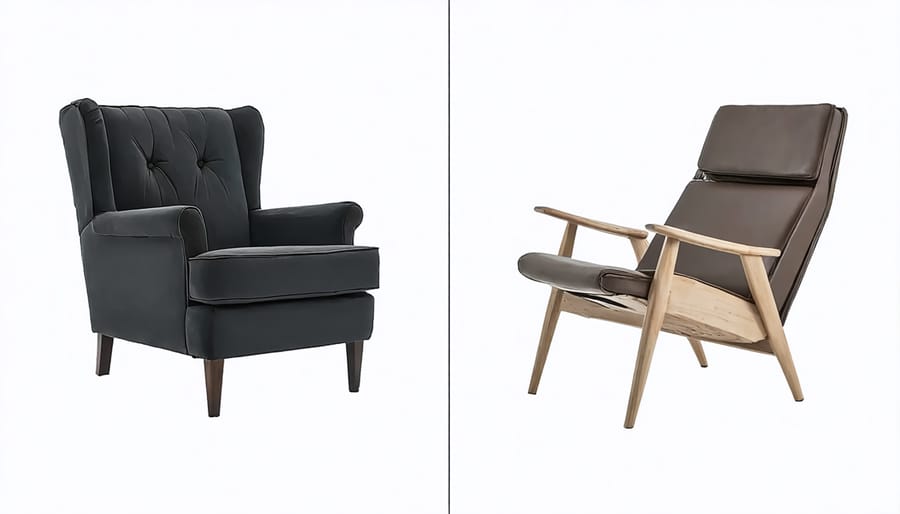
Quality furniture repair services directly impact customer trust and long-term revenue streams. When customers receive exceptional repair work, they’re not only likely to return for future services but also become powerful advocates for your business. Studies show that satisfied customers share their positive experiences with an average of 9 people, creating valuable word-of-mouth marketing.
A well-executed repair job demonstrates attention to detail and craftsmanship, building confidence in your service quality. This trust often translates into customers being willing to pay premium prices for guaranteed quality work, rather than risking cheaper alternatives that might lead to disappointing results.
The ripple effect of quality repairs extends beyond immediate customer satisfaction. Property managers and insurance companies frequently establish long-term partnerships with repair services they trust, leading to steady contract work. Moreover, positive online reviews and testimonials from satisfied customers significantly influence potential clients’ decisions, with 93% of consumers saying online reviews impact their purchasing choices.
Conversely, poor-quality repairs can damage your reputation and lead to costly warranty claims, refunds, and lost business opportunities. Maintaining high repair standards is therefore not just about craftsmanship—it’s a crucial investment in your business’s future growth and sustainability.
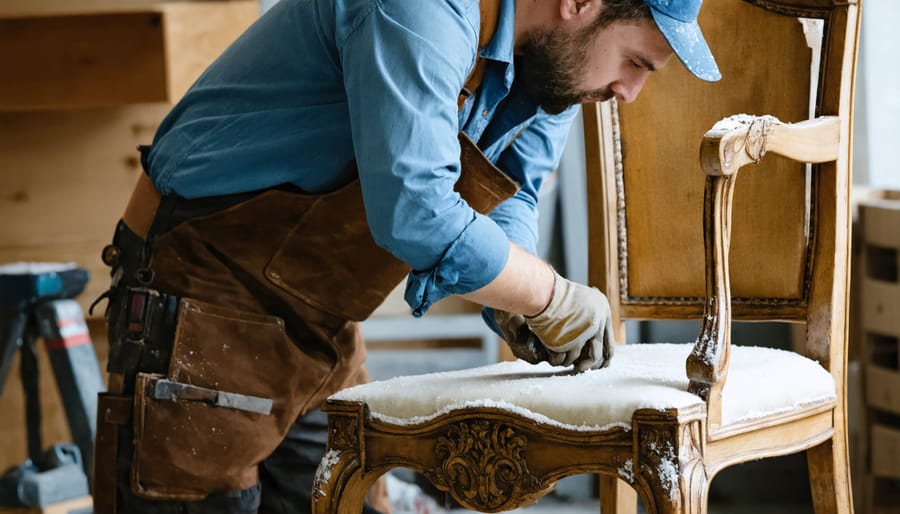
Quality furniture repair services play a crucial role in extending the lifespan of your valuable pieces while maintaining or even enhancing their financial worth. When professional repairs are performed, furniture typically lasts 15-20 years longer than pieces left to deteriorate, representing significant savings over time.
Professional restoration not only addresses immediate damage but also prevents further degradation. For instance, a timely repair of a loose joint can prevent structural failure that would otherwise render the piece unusable. This preventive approach is particularly valuable for antique and high-end furniture, where replacement costs can be substantial.
From a depreciation standpoint, well-maintained furniture retains its value more effectively. While standard furniture typically depreciates by 50% within 5 years, properly maintained and professionally repaired pieces often maintain 70-80% of their original value over the same period. This improved value retention is especially important for businesses managing large furniture inventories or homeowners with investment-quality pieces.
Consider the example of a solid wood dining table: With regular maintenance and professional repairs when needed, it can serve multiple generations while maintaining its functionality and aesthetic appeal. The initial investment in quality repairs typically represents only 15-25% of replacement costs, making it a financially sound decision for long-term asset management.
Beyond monetary considerations, professional furniture repair services contribute to sustainability efforts by reducing waste and extending the useful life of existing pieces. This approach not only saves money but also aligns with growing environmental consciousness among consumers and businesses alike.
Professional furniture repair services often come with comprehensive insurance coverage, providing peace of mind for both property owners and businesses. When you work with licensed and insured repair specialists, you’re protected against potential accidents, damage, or unforeseen issues that may arise during the restoration process.
Many quality furniture repair companies carry multiple insurance policies, including general liability, professional liability, and worker’s compensation coverage. This multi-layered protection ensures that you’re not financially responsible if something goes wrong during the repair process. For instance, if a technician accidentally damages other property while moving a piece of furniture, the company’s insurance will cover the repairs.
Commercial property managers particularly benefit from working with insured repair services. By choosing properly insured providers, they reduce their exposure to liability claims and maintain compliance with property management regulations. This protection extends to situations where repaired furniture might later cause injury or damage due to workmanship issues.
Additionally, many insurance companies offer reduced premiums to businesses that consistently work with certified and insured furniture repair services. This recognition of risk management practices can lead to significant long-term savings on commercial property insurance rates.
For homeowners, working with insured repair services can sometimes help with homeowner’s insurance claims. When furniture damage is covered under your policy, having a professional repair service document the damage and provide detailed estimates can streamline the claims process and ensure fair compensation.
Remember to always verify current insurance certificates before engaging any furniture repair service, and keep detailed records of all repair work performed for insurance documentation purposes.
At the heart of every exceptional furniture repair service lies a well-trained, highly skilled team of technicians. Our commitment to excellence begins with comprehensive professional certification programs that ensure each team member masters both traditional craftsmanship and modern restoration techniques.
Our technicians undergo rigorous training that includes hands-on practice with various furniture types, materials, and repair scenarios. This intensive program covers wood restoration, upholstery repair, finish matching, structural reinforcement, and antique preservation techniques. Each skill is developed under the guidance of master craftsmen who bring decades of experience to the training process.
Quality assurance is maintained through regular skill assessments and continuing education requirements. Technicians must demonstrate proficiency in new restoration methods and stay current with industry innovations. We’ve implemented a three-tier certification system that rewards expertise and encourages continuous improvement, ensuring our clients receive service from genuinely qualified professionals.
Beyond technical skills, our training program emphasizes customer service excellence. Technicians learn to communicate effectively with clients, provide detailed assessments, and maintain transparent documentation of their work. This comprehensive approach to staff development has resulted in consistently high customer satisfaction rates and lasting repairs that stand the test of time.
Selecting the right equipment and materials for furniture repair is a delicate balance between quality and cost-effectiveness. Professional repair services invest in commercial-grade tools that deliver consistent results while maintaining reasonable service prices. Essential equipment includes professional sanders, specialized clamps, industrial-grade adhesives, and precision cutting tools.
High-quality materials are non-negotiable in furniture repair. We source premium wood fillers, stains, and finishes from trusted manufacturers to ensure lasting repairs. While these materials may cost more initially, they prove more economical in the long run by reducing the need for repeat repairs and maintaining customer satisfaction.
Our inventory management system helps track material usage and ensures we always have the right supplies on hand. We maintain relationships with multiple suppliers to secure competitive pricing without compromising on quality. This approach allows us to offer fair prices to our customers while using materials that meet our exacting standards.
For upholstery repairs, we stock a diverse selection of fabrics, including commercial-grade materials known for their durability and stain resistance. Our leather repair kits contain professional-grade compounds that match various leather types and finishes perfectly.
Smart equipment investments and bulk material purchasing help us maintain competitive pricing while delivering superior repair services. We regularly evaluate new tools and materials in the market to ensure we’re using the most effective solutions available.

Successful furniture repair services rely heavily on tracking repair service metrics to maintain high standards and ensure customer satisfaction. The most critical KPIs include customer satisfaction rates, which should consistently exceed 90%, and first-time fix rates targeting 85% or higher to demonstrate technical competency.
Response time metrics are equally important, with industry standards suggesting initial customer contact within 24 hours and project completion within agreed timeframes 95% of the time. Quality control scores, measured through post-repair inspections, should maintain a minimum threshold of 95% to ensure lasting repairs.
Financial indicators such as average repair cost per project, profit margins (typically 30-40% for premium services), and repeat customer rates (targeting 60% or higher) help gauge business health. Efficiency metrics including average repair time per project type and resource utilization rates should be monitored to optimize operations.
Customer feedback metrics, including Net Promoter Score (NPS) and online review ratings, should maintain an average of 4.5 stars or higher. Additional important indicators include warranty claim rates (should be below 5%), technician productivity rates, and materials waste reduction metrics.
These KPIs provide a comprehensive framework for evaluating service quality, operational efficiency, and customer satisfaction, enabling continuous improvement and sustainable growth in the furniture repair industry.
Customer satisfaction metrics serve as vital indicators of service quality and directly impact a furniture repair business’s bottom line. Our data shows that businesses maintaining a customer satisfaction rate above 95% typically see a 30% increase in repeat business and referrals within the first year.
Key performance indicators like Net Promoter Score (NPS) and customer retention rates provide valuable insights into service quality and financial success. For instance, furniture repair services with an NPS above 70 generally experience a 25% higher annual revenue growth compared to those with lower scores.
Post-service surveys reveal that customers who rate their repair experience as “excellent” are four times more likely to return for future services and recommend the business to others. This translates to reduced marketing costs and increased profit margins, as acquiring new customers typically costs five times more than retaining existing ones.
Response time and project completion satisfaction metrics also correlate strongly with financial outcomes. Services that maintain a 24-hour response time and meet project deadlines 98% of the time report 40% higher customer lifetime values compared to industry averages.
By tracking these metrics systematically and acting on customer feedback, furniture repair businesses can identify areas for improvement, optimize service delivery, and build a loyal customer base that drives sustainable growth. Regular analysis of these metrics enables data-driven decisions that enhance both service quality and profitability.
Investing in quality furniture repair services proves to be a financially sound decision that pays dividends in both the short and long term. By maintaining and restoring furniture rather than replacing it, businesses and homeowners can realize significant cost savings while preserving valuable assets. The return on investment becomes evident through extended furniture lifespans, increased property values, and enhanced aesthetic appeal that attracts and retains clients or tenants.
To implement an effective furniture repair strategy, begin by conducting a thorough inventory assessment of your furniture pieces and their condition. Establish relationships with reputable repair services that specialize in your specific furniture types. Create a maintenance schedule that includes regular inspections and preventive care to catch minor issues before they become major problems.
Consider developing a dedicated budget for furniture maintenance and repair, typically ranging from 2-5% of your total furniture asset value annually. This proactive approach helps avoid unexpected expenses and ensures consistent quality maintenance. Track repair costs and furniture longevity to demonstrate the financial benefits of your maintenance program.
For optimal results, educate staff or family members about proper furniture care and handling. Document all repair work, including before-and-after photographs, to build a maintenance history that can be valuable for insurance purposes and future reference. By following these steps and maintaining a commitment to quality repairs, you’ll maximize your furniture investment while minimizing long-term costs.