

Transform weathered farmhouse pieces into cherished heirlooms through the time-honored craft of restoring existing furniture. Rustic restoration artfully preserves the authentic character and rich patina of vintage pieces while ensuring their structural integrity for generations to come. This delicate balance of preservation and renewal requires expert knowledge of traditional woodworking techniques, period-appropriate materials, and time-tested finishing methods. Whether breathing new life into a century-old barn door table or revitalizing a collection of mismatched farmhouse chairs, each piece tells a unique story through its weathered surfaces, worn edges, and carefully preserved imperfections. Modern rustic restoration combines these heritage techniques with contemporary durability standards, creating furniture that honors its history while meeting today’s practical needs. For homeowners and designers seeking to create authentic farmhouse spaces, understanding the principles of rustic restoration opens up possibilities for transforming forgotten pieces into functional works of art that anchor a room’s design and connect us to our architectural heritage.
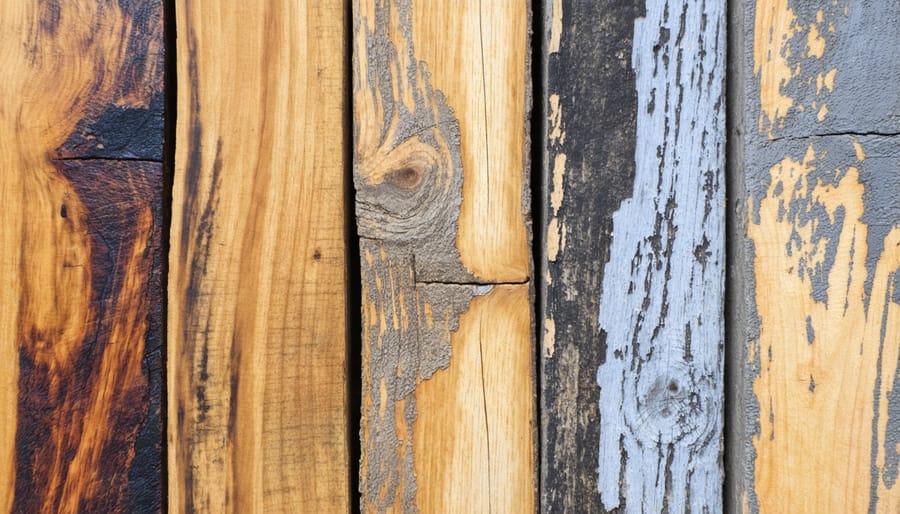
The heart of rustic restoration lies in selecting and working with authentic natural materials that tell a story through their texture and character. Reclaimed barn wood, with its weathered patina and distinctive grain patterns, stands as a cornerstone material in rustic furniture pieces. Pine, oak, and maple are particularly favored for their durability and ability to showcase natural imperfections beautifully.
When restoring rustic pieces, we often encounter hand-hewn surfaces, saw marks, and natural knots – elements that add authenticity and charm. These characteristics are carefully preserved during the restoration process, often enhanced with traditional finishing techniques like hand-rubbing with natural oils or applying milk paint for an aged appearance.
Beyond wood, rustic furniture frequently incorporates other natural elements such as wrought iron hardware, leather accents, and burlap textiles. Each material is chosen not just for its functional properties but for its ability to develop a rich patina over time. We recommend using beeswax or natural oils for maintenance, as these treatments protect while allowing the materials to age gracefully, developing the sought-after rustic character that makes each piece unique.
Achieving an authentic weathered appearance requires a combination of traditional techniques and careful attention to detail. Popular distressing methods include strategic sanding to reveal underlying wood layers, creating subtle dents and dings with chain hammering, and applying custom-mixed glazes to simulate age. The key is to replicate natural wear patterns that would occur over decades of use.
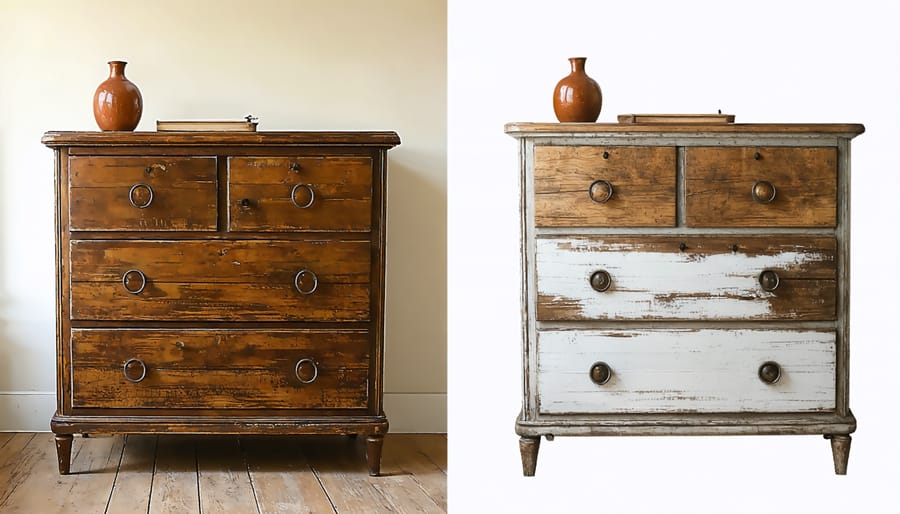
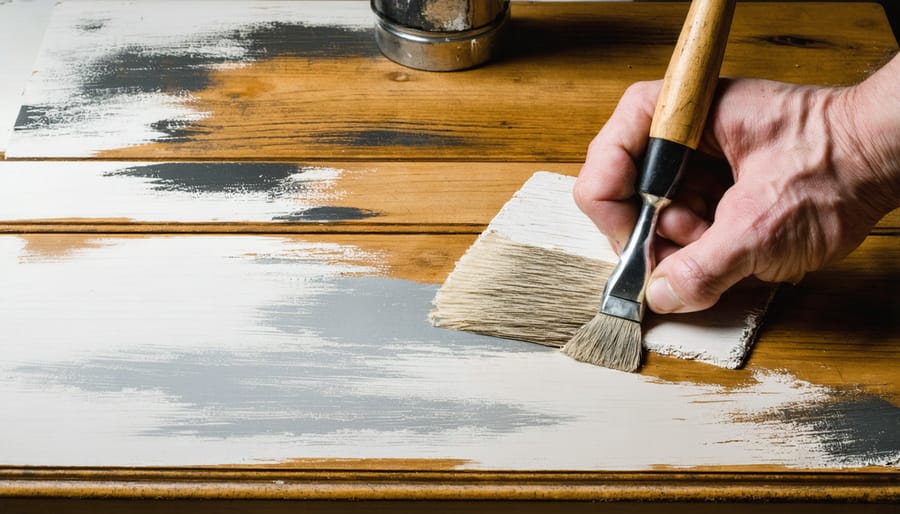
For a genuine farmhouse look, we often employ the dry-brush technique, where paint is lightly applied with minimal moisture to create a time-worn patina. Another authentic approach involves milk paint application followed by strategic distressing, which produces a naturally chipped and flaked appearance characteristic of antique furniture.
The art of creating these finishes lies in their subtlety. While it’s tempting to over-distress, the most convincing results come from restraint and understanding how furniture naturally ages. We carefully consider high-wear areas like edges, corners, and handles, ensuring distressing appears organic rather than manufactured.
A final protective coating seals the distressed finish while maintaining its aged character, ensuring your piece remains beautiful for years to come while telling a story of timeless craftsmanship.
Before beginning any restoration project, it’s crucial to thoroughly assess the structural integrity of your rustic piece. Start with evaluating antique furniture condition by examining all joints, load-bearing elements, and support structures. Gently rock the piece to check for stability and listen for concerning creaks or movements.
Pay special attention to weight-bearing areas like legs, seat rails, and arm supports. Look for signs of previous repairs, which might indicate recurring structural issues. Check for active wood-boring insects by looking for fresh sawdust or small holes. Examine the wood grain for splits or cracks, particularly around joints and stress points.
Test all moving parts like drawers, doors, and hinges for smooth operation. Assess the condition of any existing hardware, noting if replacements are needed. While some surface damage adds character to rustic pieces, structural compromises require immediate attention before restoration can proceed.
Remember that not all damage is immediately visible. Carefully inspect hidden areas like undersides and back panels, as these can reveal important clues about the piece’s overall condition and restoration needs.
Not every piece of furniture is a suitable candidate for rustic restoration. The key lies in identifying items with the right potential. Look for solid wood pieces, particularly those made from oak, pine, or maple, as these materials respond well to rustic transformation techniques. Pieces with simple, clean lines often work best, as they can easily adapt to the farmhouse aesthetic.
Consider the existing finish and condition. Items with minimal damage but showing natural wear patterns are ideal candidates. Deep gouges, water rings, and minor scratches can actually enhance the rustic character when properly incorporated into the restoration process.
Pay attention to the overall construction quality. Pieces should have sturdy joints, solid framework, and minimal structural issues. While cosmetic flaws can add character, serious structural problems may make restoration impractical.
Architectural details matter too. Features like turned legs, beadboard panels, or simple carved elements complement rustic style beautifully. However, pieces with ornate Victorian details or sleek mid-century modern designs might resist rustic transformation.
Before starting any project, examine the piece’s hardware. Original brass or iron fixtures can be restored to enhance authenticity, while missing or damaged hardware provides an opportunity to add period-appropriate replacements.
Proper surface preparation is the foundation of any successful rustic restoration project. Begin by thoroughly cleaning the piece using a gentle pH-neutral cleaner to remove dirt, grime, and old wax buildup. For stubborn areas, a mixture of warm water and mild dish soap can be effective, but avoid saturating the wood.
Once clean, assess the surface for damage. Look for loose joints, missing veneer, deep scratches, or water rings. Small scratches can often be addressed using wood filler or putty matched to the wood tone. For deeper gouges or structural issues, you may need specialized wood epoxy or replacement pieces.
Following sustainable restoration practices, salvage original materials whenever possible. Loose joints should be carefully dismantled, cleaned of old glue, and reassembled using appropriate wood glue. For veneer repairs, gently lift any loose edges and reattach using veneer adhesive.
Before proceeding with finishing, sand the surface progressively, starting with medium-grit sandpaper (120-grit) and working up to fine-grit (220-grit). Pay special attention to edges and detailed areas. Remove all sanding dust with a tack cloth before applying any finishes. Remember, thorough preparation now ensures better results in the subsequent restoration steps.
Creating an authentically aged finish requires a delicate balance of technique and artistry. Professional restorers employ several time-tested methods to achieve that coveted weathered look while maintaining the piece’s structural integrity. One popular approach involves using natural finishing techniques such as tea and vinegar solutions, which react with the wood’s tannins to create genuine patina effects.
Distressing techniques play a crucial role in authentic aging. Strategic placement of dents, dings, and wear patterns helps replicate decades of natural use. Professional restorers often use chains, hammers with varying textures, and even wire brushes to create these marks in locations where genuine wear would naturally occur.
Color manipulation is equally important. Rather than applying a single dark stain, experts layer multiple lighter coats, often incorporating dry brushing and color washing methods. This creates depth and variation that mimics natural aging. Milk paint, with its tendency to chip and fade naturally, is particularly effective for achieving an authentic aged appearance.
The final touches often involve adding subtle details like worn edges, paint rubthrough, and slight variations in surface texture. These elements are carefully executed to tell a convincing story of time’s passage, making each piece look genuinely vintage rather than artificially distressed.
Protecting your restored rustic furniture requires a delicate balance between preservation and maintaining authentic character. Traditional finishes like tung oil and beeswax offer excellent protection while enhancing the natural wood grain and patina that make rustic pieces so appealing. These natural finishes penetrate the wood deeply, creating a protective barrier without the plastic-like appearance of modern polyurethanes.
For daily-use items like dining tables and kitchen islands, we recommend multiple thin layers of oil-based sealant, allowing each coat to cure completely. This method builds up protection while preserving the wood’s tactile quality and natural appearance. For decorative pieces or those with less frequent handling, a simple paste wax application every few months provides adequate protection while maintaining the desired aged look.
Weather-exposed furniture requires special consideration. Marine-grade sealants offer superior protection against moisture and UV damage while remaining virtually invisible. For barn wood and reclaimed timber pieces, we’ve found success with penetrating water-based sealers that protect against rot and insects without altering the wood’s weathered appearance.
Remember that any protective finish will need periodic maintenance. Touch-ups should be performed annually or whenever the surface begins to show wear. This proactive approach ensures your restored pieces maintain their rustic charm while remaining protected against daily wear, moisture, and environmental factors.
Maintaining your restored rustic furniture requires consistent care to preserve its charm and extend its lifespan. Start by dusting your pieces weekly using a soft, lint-free cloth to prevent buildup that can damage the finish. For wooden surfaces, apply a quality furniture polish every month, working in the direction of the wood grain to enhance natural patterns and protect the surface.
Keep your restored pieces away from direct sunlight and heat sources, as these can cause fading and wood warping. Maintain consistent indoor humidity levels between 40-50% to prevent wood from expanding or contracting excessively. Use coasters and placemats to protect surfaces from water rings and heat damage.
For metal elements common in rustic pieces, regularly check for signs of rust and address them promptly with appropriate metal cleaners. Apply a thin coat of paste wax every six months to protect both wood and metal surfaces, buffing gently with a clean cloth for a subtle sheen that maintains the authentic rustic look.
Clean spills immediately using a slightly damp cloth, followed by a dry cloth to prevent moisture damage. Avoid harsh chemical cleaners that can strip protective finishes – instead, opt for gentle, pH-neutral cleaning solutions when necessary. Regular inspection of joints, hinges, and structural elements will help identify potential issues before they become serious problems.
Preserving your restored rustic furniture requires a balanced approach of protection and maintenance while maintaining its authentic character. Start by applying a high-quality sealant specifically designed for rustic wood surfaces, which creates an invisible barrier against moisture and daily wear without compromising the piece’s natural appearance.
Regular dusting with a soft, lint-free cloth prevents dirt buildup that can scratch or dull the surface. For deeper cleaning, use a mild soap solution and avoid harsh chemicals that might strip the protective finish. Position your furniture away from direct sunlight and heat sources, as excessive exposure can cause wood to dry out and crack, potentially damaging your restoration work.
Consider applying furniture wax every 6-12 months to maintain the protective layer and enhance the wood’s natural patina. When selecting wax, choose products that complement your specific wood type and finish. For heavily used pieces, like dining tables or coffee tables, consider using coasters and placemats to prevent water rings and heat damage.
Monitor your furniture regularly for signs of wear or damage, addressing any issues promptly to prevent more extensive deterioration. In spaces with fluctuating humidity levels, using a dehumidifier or humidifier can help maintain optimal conditions for your rustic pieces, preventing warping and splitting that could compromise their structural integrity and appearance.
Professional rustic restoration is more than just a service – it’s an investment in preserving the character and value of cherished furniture pieces while ensuring their functionality for years to come. By entrusting your restoration projects to skilled craftsmen, you’re not only saving precious pieces from potential deterioration but also contributing to sustainable practices by giving existing furniture new life.
The benefits of professional restoration extend beyond mere aesthetics. Expert restorers bring decades of combined experience, specialized tools, and deep knowledge of traditional techniques that DIY efforts simply cannot match. They understand the delicate balance between maintaining authentic rustic charm and ensuring structural integrity, resulting in pieces that are both beautiful and durable.
Whether you’re a homeowner looking to restore a family heirloom, a property manager seeking to enhance your venue’s ambiance, or an investor interested in the restoration industry, now is the perfect time to take action. Start by documenting your pieces and reaching out to qualified restoration professionals for consultations. Many offer detailed assessments and can provide portfolios of similar projects they’ve completed.
Remember, every piece of rustic furniture tells a story, and professional restoration ensures that story continues for generations to come. Don’t let valuable pieces deteriorate when expert help is available to breathe new life into them while maintaining their authentic character and charm.