
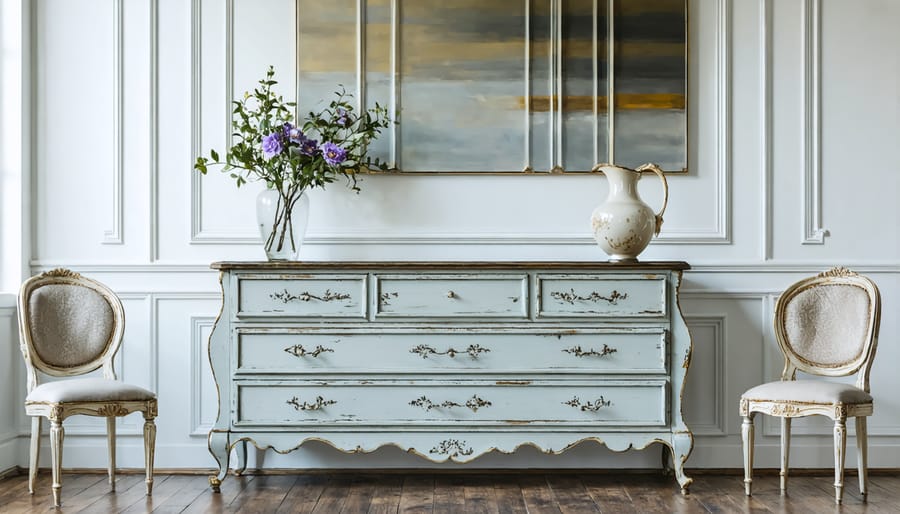
Transform forgotten furniture into profitable masterpieces through the booming painted furniture business, where passion meets entrepreneurship in a $5.4 billion industry. Modern consumers increasingly seek unique, customized pieces that tell stories while reducing environmental impact, making furniture painting one of the fastest-growing segments of the home décor market.
Successful painted furniture businesses combine artistic vision with strategic business acumen, offering everything from vintage restorations to contemporary custom finishes. Whether working from a home studio or retail location, entrepreneurs can generate substantial returns with relatively low startup costs and flexible scheduling options.
The key to standing out lies in mastering both traditional techniques and innovative approaches. Today’s market demands knowledge of eco-friendly paints, digital marketing strategies, and customer-centric service models. Professional painters routinely transform $50 thrift store finds into $500+ statement pieces, demonstrating the remarkable profit potential in this creative enterprise.
This comprehensive guide explores essential aspects of launching and growing a painted furniture business, from selecting the right equipment and supplies to building a strong brand presence and loyal customer base. Learn how successful entrepreneurs navigate this exciting intersection of craftsmanship and commerce while creating sustainable, scalable operations.
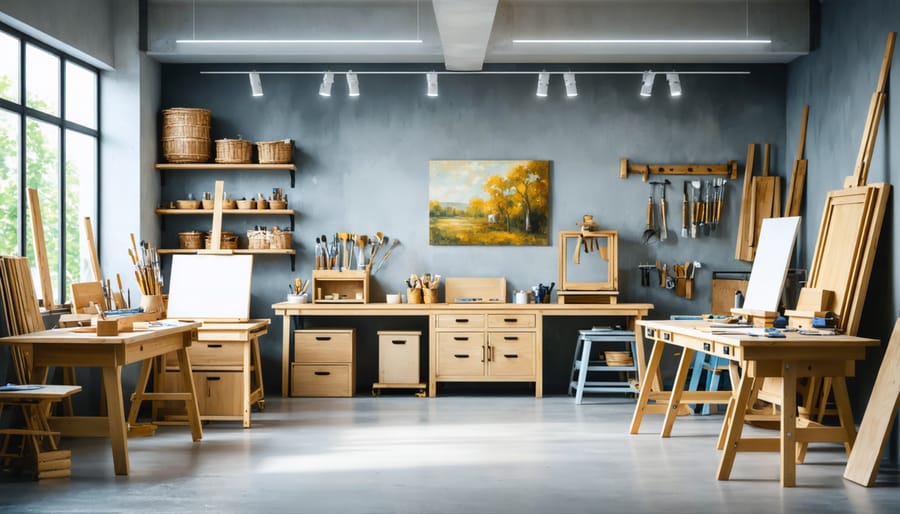
A well-equipped workshop is essential for a successful painted furniture business. Start with a spacious, well-ventilated area of at least 400 square feet to accommodate multiple pieces of furniture, painting stations, and storage. Ensure proper lighting with both overhead fixtures and portable task lights to accurately assess colors and surface details.
Essential tools include electric sanders, paint sprayers, brushes of various sizes, rollers, and detail tools. You’ll need workbenches, sawhorses, and portable tables to elevate pieces to comfortable working heights. Storage solutions should include shelving units for supplies and a dedicated area for paint and finish storage.
Safety equipment is non-negotiable. Stock up on respirators, protective eyewear, disposable gloves, and paint suits. Install proper ventilation systems with exhaust fans and air filtration units to manage paint fumes and dust. Keep a first aid kit and fire extinguisher readily accessible.
Consider investing in a professional spray booth or designated spray area with proper filtration for high-end finishes. Additional equipment should include drop cloths, masking materials, cleaning supplies, and furniture repair tools. A wash station with a utility sink is vital for brush cleaning and surface preparation.
Temperature and humidity control systems help maintain optimal painting conditions year-round. Keep digital devices like tablets or computers in a clean, designated area for documentation and client communications.
Selecting the right materials is crucial for achieving professional, long-lasting results in your painted furniture business. Start with high-quality primers specifically designed for furniture, such as shellac-based primers for covering stains and oil-based primers for raw wood surfaces.
For paint selection, consider chalk paint for its excellent adhesion and popular matte finish, milk paint for an authentic vintage look, or acrylic paint for durability and diverse color options. Modern ceramic-based paints offer superior durability and are becoming increasingly popular for high-traffic pieces.
Top-coat finishes are essential for protection. Choose from water-based polyurethane for durability with minimal yellowing, furniture wax for a soft, natural sheen, or polycrylic for a clear, protective finish that works well over light colors.
Source materials from reputable suppliers like Sherwin-Williams or Benjamin Moore for consistent quality. Many local paint stores offer contractor accounts with bulk pricing. For specialty furniture paints, consider established brands like Annie Sloan, General Finishes, or Fusion Mineral Paint.
Always test new products on sample pieces before using them on client furniture. Keep detailed records of paint combinations and techniques that work well, and build relationships with suppliers who can provide technical support and color-matching services. Stock up during seasonal sales to maximize profitability while maintaining quality standards.
In today’s furniture painting industry, modern technology in furniture restoration has revolutionized the color matching process. Digital color matching systems use advanced spectrophotometer technology to analyze and replicate colors with unprecedented accuracy. These devices capture the exact color composition of any surface, breaking it down into precise formulas that can be reproduced consistently.
For business owners, this technology eliminates the guesswork traditionally associated with color matching. Whether matching an existing piece of furniture or creating custom colors for clients, these systems provide detailed mixing instructions that ensure perfect results every time. The digital readings account for various factors including texture, sheen, and lighting conditions, resulting in matches that are virtually indistinguishable from the original.
Many systems now include mobile apps and cloud-based storage, allowing you to maintain a digital library of custom colors and formulas. This feature is particularly valuable when working with regular clients or managing multiple projects simultaneously. The investment in digital color matching technology typically pays for itself through reduced material waste, increased efficiency, and higher customer satisfaction rates.
Modern spray systems have revolutionized the furniture painting industry, offering superior finish quality and increased productivity. Professional-grade HVLP (High Volume, Low Pressure) spray systems are the industry standard, providing excellent coverage while minimizing overspray and waste. These systems typically include a turbine unit, spray gun, and various tips for different applications.
For consistent results, many successful painted furniture businesses invest in spray booths or dedicated painting areas with proper ventilation and lighting. These controlled environments ensure dust-free finishes and maintain safe working conditions. Mobile spray equipment, including portable compressors and spray guns, enables on-site work for larger pieces or client locations.
Essential accessories include moisture traps, regulators, and various spray gun tips for different coating materials. Paint preparation equipment such as strainers and mixing cups ensure smooth application. Modern businesses also utilize quick-change systems for efficient color switching and cleaning.
For businesses scaling up, automated spray systems offer increased efficiency for batch production. These systems can include conveyor setups and rotating spray booths, though they require significant investment. Whether choosing basic or advanced equipment, proper maintenance and regular cleaning are crucial for optimal performance and longevity.
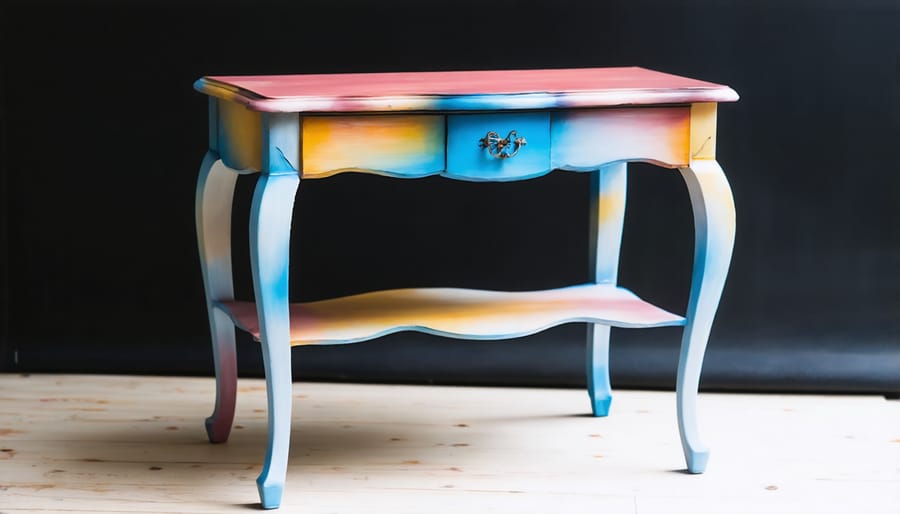
Modern furniture painting has evolved far beyond basic brushwork, with innovative finishes and effects transforming ordinary pieces into stunning works of art. Popular techniques include color washing, which creates a subtle, ethereal look by layering translucent paint, and dry brushing, which adds texture and depth by lightly dragging paint across surfaces.
Metallic effects have gained significant traction, with specialty paints incorporating genuine metal particles for authentic shimmer. Chalk-based products remain industry favorites, offering superior adhesion and a luxurious matte finish that can be distressed or glazed for vintage appeal.
Emerging trends include textured finishes achieved through specialized tools and products. Raised stenciling creates dimensional patterns, while crackle mediums produce controlled aging effects. For a modern twist, some artisans incorporate image transfers, marbling techniques, and even glow-in-the-dark elements for unique custom pieces.
Environmental consciousness has sparked innovation in eco-friendly finishes. Water-based products with low VOC content deliver professional results while being safer for artisans and clients. Some manufacturers now offer paint lines specifically formulated for furniture, featuring enhanced durability and self-leveling properties that simplify the finishing process.
These innovative approaches not only expand creative possibilities but also add significant value to finished pieces, allowing businesses to command premium prices for truly unique furniture transformations.
Efficient project management is crucial for running a successful painted furniture business, and modern software solutions can streamline your operations significantly. Popular options like Trello and Asana offer visual boards that help track projects from initial client consultation through final delivery, with customizable workflows that match your specific process.
For order management, platforms like Monday.com or ClickUp allow you to create detailed customer records, including furniture specifications, paint colors, special requests, and progress photos. These tools often include time-tracking features, helping you analyze project durations and optimize pricing strategies.
Many furniture painters find success using specialized craft business software like Craftybase, which combines inventory management with project tracking. These systems help monitor paint and supply levels, automatically generating reorder alerts when stocks run low.
Cloud-based solutions ensure you can access project details from anywhere, whether you’re sourcing materials at a supplier or working in your paint booth. Most platforms offer mobile apps, making it easy to update project status and communicate with clients on the go.
Look for software that includes features like:
– Digital intake forms for new projects
– Automated client communications
– Photo storage and sharing capabilities
– Schedule management
– Invoice generation
– Time tracking
– Expense monitoring
Choose a platform that matches your business size and complexity, starting with basic features and scaling up as your operation grows.
In today’s digital age, effectively marketing your painted furniture business is crucial to attract more clients and showcase your artistic talents. Start by creating a compelling online portfolio featuring high-quality before-and-after photos of your work. These visual demonstrations are powerful tools that instantly communicate your expertise and style to potential customers.
Establish a strong social media presence on platforms like Instagram and Pinterest, where visual content thrives. Create engaging posts showcasing your transformation processes, share tips and tricks, and interact with your followers. Consider starting a YouTube channel to demonstrate your techniques and share your knowledge, which helps build credibility and trust with your audience.
Develop a professional website that includes your portfolio, services offered, pricing guidelines, and customer testimonials. Implement basic SEO strategies by using relevant keywords and maintaining a blog with furniture painting tips and project showcases. This helps improve your visibility in local search results and positions you as an industry expert.
Partner with local interior designers, real estate agents, and home staging companies who can recommend your services to their clients. Join local business networks and participate in home and garden shows to increase your visibility within the community.
Encourage satisfied customers to leave reviews on Google Business Profile and social media platforms. Consider offering referral incentives to existing clients who bring in new business. Remember to document each project meticulously, as your portfolio will continue to be your most valuable marketing asset.
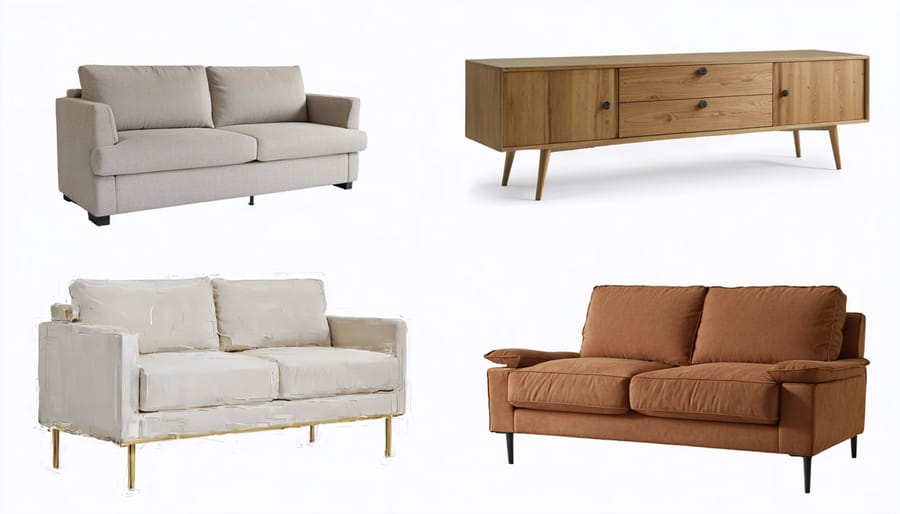
Transitioning from a solo operation to a larger painted furniture business requires strategic planning and careful resource management. Start by evaluating your current workload and identifying areas where additional help could increase productivity. Consider hiring part-time assistants for prep work or finishing touches while you focus on the artistic aspects and client relationships.
Invest in efficient systems and processes before scaling. Implement project management software to track orders, establish standard operating procedures, and create detailed documentation for your painting techniques. This foundation will prove invaluable when training new team members.
To maintain business profitability during expansion, carefully balance your overhead costs with revenue growth. Consider leasing a larger workspace only when your current space consistently limits production capacity. Bulk purchasing of supplies can reduce costs, but monitor inventory levels to avoid tying up too much capital in materials.
Marketing becomes increasingly important as you scale. Develop a strong online presence through social media and a professional website showcasing your portfolio. Build relationships with interior designers and furniture retailers who can provide steady referrals. Consider offering specialized services or developing signature styles to differentiate your business in a growing market.
Remember to protect your growing business with appropriate insurance coverage and formal contracts. As you expand, maintain quality control by establishing clear standards and regularly reviewing completed work. Success in scaling often comes from maintaining the personal touch that made your solo operation successful while building systems that support growth.
Starting a painted furniture business offers an exciting opportunity to blend creativity with entrepreneurship while meeting the growing demand for unique, customized furniture pieces. By focusing on quality craftsmanship, implementing efficient processes, and maintaining strong customer relationships, you can build a thriving enterprise in this rewarding field.
Remember that success in the painted furniture business requires more than just artistic talent. It demands careful attention to business fundamentals, including proper pricing strategies, marketing efforts, and inventory management. Investing in quality materials and tools, staying updated with industry trends, and continuously improving your techniques will set you apart from competitors.
The key to long-term success lies in creating a sustainable business model that balances creativity with profitability. Whether you’re starting small from your garage or planning to open a full-scale workshop, focus on building a strong brand identity and maintaining consistent quality in your work.
Take action today by developing your business plan, researching your local market, and practicing your painting techniques. Consider starting with a few signature pieces to build your portfolio and establish your reputation. With dedication, proper planning, and attention to detail, your painted furniture business can transform from a creative passion into a profitable venture that brings beauty and value to your customers’ homes.
Remember to stay connected with your community, gather customer feedback, and adapt your services to meet evolving market demands. Your success story in the painted furniture business begins with that first step forward.