
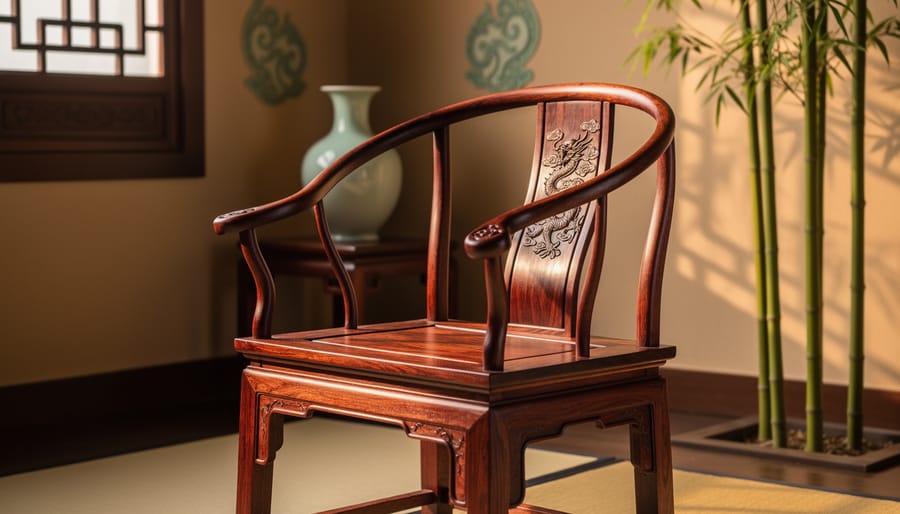
Chinese-style furniture represents centuries of sophisticated craftsmanship where every carved detail carries symbolic meaning and every joinery technique tells a story of masterful engineering. Whether you’ve inherited a treasured rosewood cabinet, discovered an intriguing piece at an estate sale, or are considering investing in authentic Chinese furniture, understanding what distinguishes genuine artistry from mass-produced replicas will transform how you view these remarkable pieces.
Authentic Chinese furniture relies on mortise-and-tenon joinery that requires no nails or screws, a testament to woodworking precision that has survived dynasties. The wood selection matters profoundly: traditional pieces feature hongmu (precious hardwoods like huanghuali, zitan, and jichimu) prized for their density, natural luster, and resistance to warping. Examine the grain patterns closely; authentic pieces showcase the wood’s inherent beauty rather than hiding it beneath heavy stains or lacquers.
The symbolism embedded in Chinese furniture designs serves purposes beyond mere decoration. Dragon motifs represent power and good fortune, bats signify happiness, and lotus flowers symbolize purity. These aren’t arbitrary choices but deliberate expressions of philosophical values that owners have treasured for generations.
Time and use inevitably affect even the finest furniture. Loose joints, faded finishes, or damaged inlay work don’t diminish a piece’s value when properly restored. Professional conservation preserves both the structural integrity and historical authenticity that make Chinese furniture extraordinary investments worth protecting. Understanding these elements helps you recognize quality, appreciate craftsmanship, and make informed decisions about acquisition, care, and restoration of these timeless treasures.
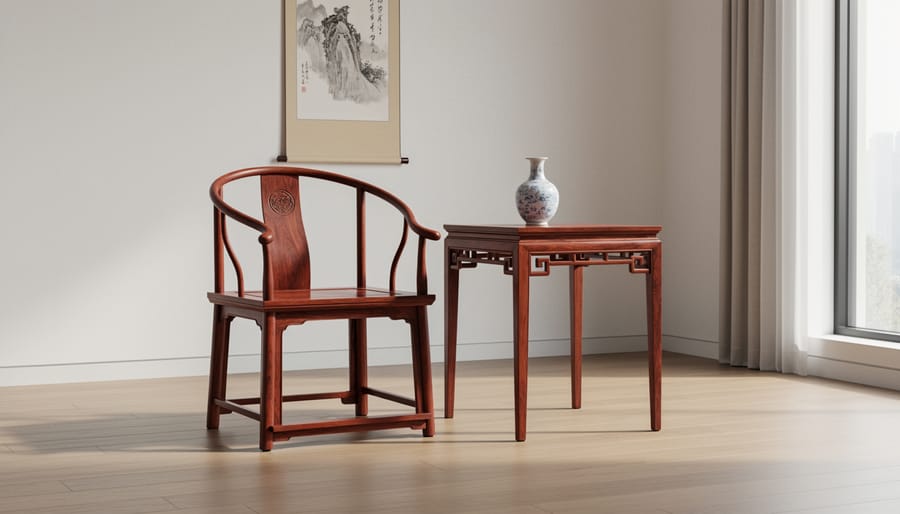
Ming Dynasty furniture (1368-1644) represents the pinnacle of Chinese furniture design, celebrated for its extraordinary simplicity and structural integrity. If you own a piece from this era or a quality reproduction, you’ll notice several distinctive features that set it apart from other styles.
The hallmark of Ming furniture is its clean, uncluttered lines and minimal decoration. Unlike ornate European pieces from the same period, Ming craftsmen believed in letting the natural beauty of the wood speak for itself. Look for furniture made from premium hardwoods like huanghuali or zitan, which display stunning grain patterns without additional embellishment.
What truly distinguishes authentic Ming pieces is the joinery. Master craftsmen used incredibly sophisticated mortise-and-tenon joints, requiring no nails or glues. These interlocking wooden joints are engineering marvels that have kept furniture intact for centuries. When examining a piece, check the joints carefully—they should fit seamlessly with no gaps.
Common Ming furniture forms include the horseshoe-back chair, painting tables, and storage cabinets with simple brass hardware. The proportions are perfectly balanced, creating an elegant yet practical aesthetic that works beautifully in modern homes.
If you’ve inherited or purchased Ming-style furniture showing signs of age, professional restoration can preserve these timeless pieces for future generations while maintaining their historical integrity and value.
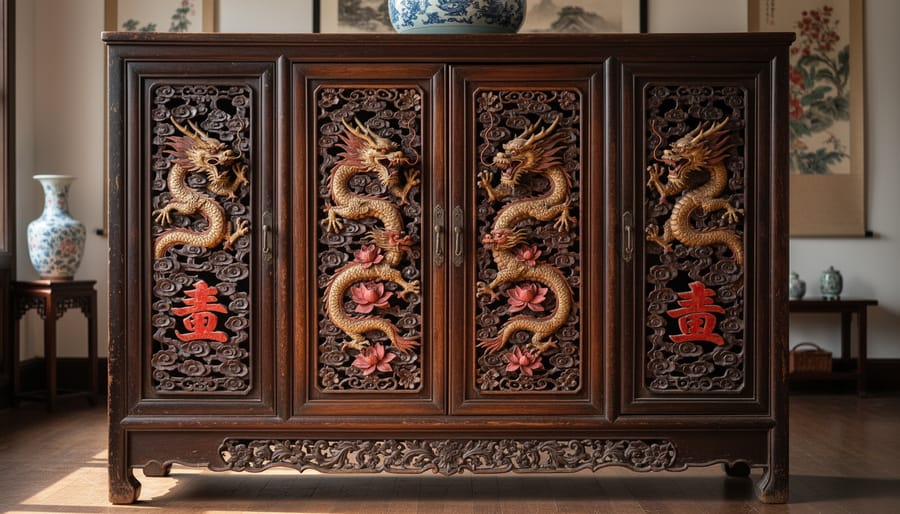
The Qing Dynasty (1644-1912) represents the pinnacle of Chinese furniture artistry, characterized by ornate elegance that often favors visual impact over the Ming Dynasty’s restrained simplicity. Qing pieces showcase elaborate hand-carved details featuring dragons, phoenixes, and intricate floral motifs that tell stories of imperial power and prosperity. You’ll notice generous use of mother-of-pearl inlays, cloisonné panels, and richly colored lacquerwork that create stunning focal points in any room.
Authentic Qing-inspired furniture typically features darker woods like rosewood or blackwood, with surface decorations that cover more area than Ming pieces. Look for rounded edges, bulkier proportions, and multi-colored inlay work combining jade, marble, and precious materials. The joinery remains expertly crafted but may be concealed beneath decorative elements.
Many homeowners discover they own valuable Qing-style pieces through estate sales or family inheritance. One client recently brought us an intricately carved cabinet with damaged mother-of-pearl inlay, convinced it was beyond repair. Our restoration team carefully matched and replaced the missing sections, revealing the piece’s true grandeur. The transformation was remarkable, restoring both monetary and sentimental value to this family heirloom.
When evaluating potential Qing pieces, examine the carving depth and detail quality. Machine-made reproductions often lack the subtle variations and crisp definition of hand-carved originals.
Understanding the wood behind your Chinese furniture isn’t just about appreciation—it’s essential for proper restoration and long-term care. Traditional Chinese craftsmen selected specific woods for their unique properties, and knowing what you own makes all the difference when repairs are needed.
Huanghuali, known as yellow flowering pear wood, stands as the most prized material in classical Chinese furniture. Its golden-amber color and distinctive grain patterns make it instantly recognizable. This hardwood resists warping and shrinkage, which is why pieces made from huanghuali often survive centuries intact. When restoring these valuable pieces, matching the wood’s density and color requires specialized expertise.
Zitan, or red sandalwood, rivals huanghuali in prestige. Its deep purple-black color darkens beautifully with age, and its incredible density makes it remarkably durable. However, this same hardness demands specific repair techniques—standard furniture repair methods simply won’t work.
Jichimu, or chicken-wing wood, earned its name from grain patterns resembling chicken feathers. More affordable than huanghuali or zitan, it remains a quality hardwood choice that balances beauty with practicality.
For property managers and homeowners, identifying your furniture’s wood type helps restoration professionals provide accurate assessments and appropriate repair methods. Each wood responds differently to climate, requires specific finishing techniques, and demands particular approaches to structural repairs.
When examining your Chinese-style furniture, start by looking for carved or painted motifs that reveal its deeper significance. Dragons typically appear on important pieces and symbolize power and good fortune, making them popular on chairs and cabinets owned by families seeking prosperity. The phoenix represents renewal and grace, often paired with dragons to symbolize harmonious partnership.
Floral patterns carry specific meanings too. Peonies indicate wealth and honor, while plum blossoms represent resilience and hope. Lotus flowers symbolize purity and spiritual growth. Many homeowners discover these symbols on their inherited pieces and suddenly understand why grandparents positioned certain furniture in specific rooms.
Geometric patterns like the endless knot signify eternal harmony, while cloud motifs represent higher consciousness and good wishes. Check drawer fronts, side panels, and chair backs where artisans traditionally placed these meaningful designs.
One client brought us a damaged cabinet covered in what she thought were simple decorative circles. Upon restoration, we revealed they were actually stylized coins, a traditional symbol of prosperity. Understanding these hidden messages not only deepens your appreciation but helps restoration professionals preserve authentic details during repairs. If your Chinese-style piece shows wear around these symbolic areas, professional restoration ensures these meaningful elements remain intact for future generations.
When faced with a damaged or worn piece of Chinese-style furniture, deciding between restoration and replacement requires careful evaluation of several key factors.
Start by assessing authenticity. Genuine antique Chinese furniture crafted with traditional joinery techniques and quality hardwoods like rosewood or elm often justifies the investment in professional restoration. These pieces possess historical value that modern reproductions simply cannot replicate. An expert can identify authentic construction methods and determine if the piece merits preservation.
Consider sentimental value alongside monetary worth. Family heirlooms or pieces with personal significance deserve special attention, even if their market value seems modest. The emotional connection these items carry makes them irreplaceable treasures worth preserving for future generations.
Cost-effectiveness matters too. Generally, restoration makes sense when the piece’s value—whether monetary, historical, or sentimental—exceeds the restoration cost. A skilled restorer can provide honest guidance about whether repair is practical.
One of our customers inherited a 1920s Chinese wedding cabinet with severe water damage and missing lacquer. Initially considering disposal, they chose restoration after learning about its craftsmanship and cultural significance. Our team stabilized the structure, restored the intricate hand-painted designs, and preserved the original hardware. The transformed cabinet now serves as their dining room centerpiece, earning compliments from every guest while maintaining its authentic character and family history intact.
Chinese-style furniture represents a significant investment in both monetary value and cultural heritage. With proper care, these treasured pieces can serve your family for generations. The key lies in understanding the unique needs of traditional materials and finishes.
Start with gentle, regular cleaning. Use a soft, lint-free cloth slightly dampened with water to remove dust from surfaces. For intricate carvings and joinery details, a soft-bristled brush works wonders. Avoid commercial furniture polishes containing silicone or harsh chemicals, as these can damage traditional lacquer finishes and natural oils used in authentic Chinese furniture. Instead, consider using a mixture specifically designed for antique wood, applied sparingly every few months.
Environmental control makes the difference between furniture that lasts and pieces that deteriorate prematurely. Chinese furniture, particularly pieces featuring intricate joinery, responds dramatically to humidity and temperature fluctuations. Maintain indoor humidity levels between 40-60 percent year-round. Sudden changes cause wood to expand and contract, potentially loosening those beautiful mortise-and-tenon joints that craftsmen so carefully fitted centuries ago. Keep furniture away from heating vents, air conditioning units, and direct sunlight, which can fade finishes and dry out wood.
One customer shared how her grandmother’s rosewood cabinet developed small cracks after moving it near a fireplace. “I didn’t realize how sensitive these pieces are to heat,” she explained. After repositioning the cabinet and using a room humidifier during winter months, no further damage occurred.
Protecting existing finishes requires minimal intervention. Place felt pads under decorative objects, use coasters for beverages, and immediately blot any spills with a dry cloth. For daily-use pieces, consider glass top protectors for writing surfaces.
Know when professional help becomes necessary. Contact restoration experts if you notice loose joints, lifting veneer, deep scratches penetrating the finish, or any structural instability. Early professional intervention prevents minor issues from becoming expensive restoration projects. Preventive care today preserves both beauty and value for tomorrow.
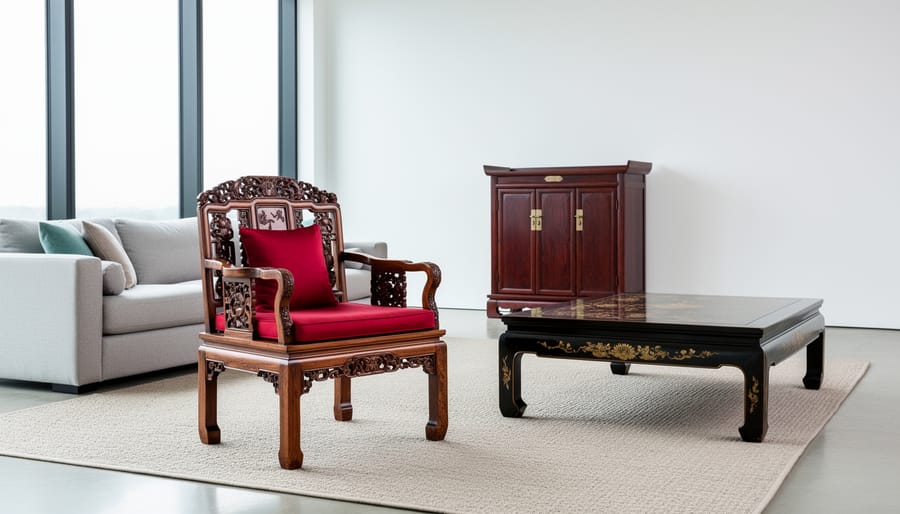
Incorporating Chinese dynasty furniture into contemporary homes creates stunning visual impact when approached thoughtfully. The key lies in treating these ornate pieces as statement elements rather than filling entire rooms with traditional furnishings.
Start by selecting one or two significant pieces as focal points. A Ming-style cabinet with intricate lattice work or a carved rosewood altar table commands attention in an entryway or living room. When blending traditional pieces with modern décor, allow the Chinese furniture to breathe by surrounding it with simple, contemporary elements. This contrast highlights the craftsmanship and cultural significance of your dynasty pieces.
The principle of balance proves essential when working with elaborately carved or heavily lacquered furniture. A ornate Qing dynasty chair pairs beautifully with neutral walls and clean-lined sofas. Consider minimalist surroundings as the perfect backdrop that allows red lacquer finishes or detailed inlay work to truly shine.
Color coordination bridges the gap between old and new. Pull accent colors from the furniture’s finish or decorative elements into modern textiles and accessories. A room featuring a black lacquer cabinet might incorporate matching picture frames or contemporary ceramics in complementary tones.
One satisfied client shared how their restored Qing dynasty screen transformed their modern loft: “The intricate carving became our living room’s centerpiece. Everyone asks about it, and knowing it’s been professionally restored gives us peace of mind about preserving this investment.”
Remember that proper maintenance preserves both beauty and value. Professional restoration ensures these treasured pieces remain functional focal points for generations while seamlessly integrating into today’s living spaces.
Chinese dynastic furniture represents more than decorative appeal—these pieces embody centuries of craftsmanship, cultural significance, and enduring artistic vision. Whether you’ve inherited a family treasure, invested in an authentic antique, or simply appreciate the elegant lines of Ming or Qing dynasty design, these furnishings deserve specialized care that honors their heritage and protects their value.
The beauty of Chinese-style furniture lies in its remarkable construction techniques, from intricate joinery to hand-carved details that modern manufacturing simply cannot replicate. However, time, environmental factors, and everyday use can compromise even the finest pieces. Wood naturally expands and contracts, finishes fade, and structural elements may weaken—challenges that require experienced hands and deep knowledge of traditional materials and methods.
Professional restoration goes beyond surface-level repairs. Expert craftspeople understand how to stabilize structural issues while preserving original elements, maintain period-appropriate finishes, and address damage without compromising authenticity. This specialized approach not only restores visual appeal but also safeguards your investment for future generations.
If you own Chinese-style furniture showing signs of wear, fading, or structural concerns, a professional assessment can provide clarity on its condition and restoration needs. The right restoration partner brings both technical skill and genuine appreciation for these extraordinary pieces, ensuring your furniture continues to tell its story while maintaining its beauty and value. Don’t wait until minor issues become major problems—reaching out to qualified restoration specialists today protects tomorrow’s legacy.