

Revolutionizing modern manufacturing, advanced composite materials are transforming how we build everything from aerospace components to everyday consumer goods. By combining multiple materials with complementary properties, innovative composite engineering delivers unprecedented strength-to-weight ratios, durability, and design flexibility that traditional materials simply cannot match. Recent breakthroughs in nano-engineering and sustainable bio-composites have opened new possibilities for solving complex industrial challenges while reducing environmental impact. As industries push the boundaries of what’s possible with materials science, composite engineering stands at the forefront of innovation, enabling solutions that were once thought impossible. From self-healing structures to smart materials that respond to environmental changes, these engineered composites are reshaping our approach to product design and manufacturing processes, promising a future where materials work harder, last longer, and perform better than ever before.
Composite materials stand out from traditional materials through their unique structural composition, combining two or more distinct components to create a superior end product. Unlike single-material furniture pieces, composites merge materials like wood fibers, resins, and reinforcing agents to achieve enhanced strength and durability while maintaining a lighter weight.
Think of composite materials as nature’s own recipe for strength – similar to how wood combines cellulose fibers and lignin to create its robust structure. In furniture applications, this intelligent combination of materials allows us to overcome the limitations of traditional materials. For instance, while solid wood may warp or crack over time, properly engineered composites maintain their structural integrity even under challenging conditions.
What truly sets composites apart is their customizable nature. By adjusting the ratio and type of materials used, manufacturers can fine-tune specific properties like flexibility, weight, and weather resistance to match exact requirements. This versatility, combined with their exceptional durability and minimal maintenance needs, makes composite materials an increasingly popular choice for both indoor and outdoor furniture applications.
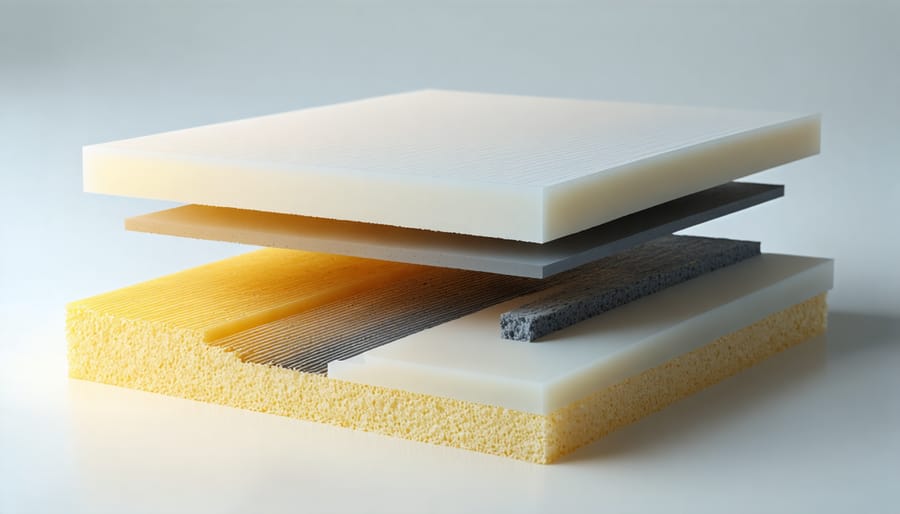
Innovative composite materials have revolutionized furniture design by offering unprecedented advantages in durability, weight reduction, and design flexibility. Modern composite furniture pieces can withstand daily wear and tear while maintaining their aesthetic appeal for years. Unlike traditional materials, these engineered solutions resist scratches, dents, and environmental factors like moisture and UV exposure, making them ideal for both indoor and outdoor applications.
Weight reduction is a significant benefit, with composite furniture typically weighing 30-40% less than conventional alternatives. This makes rearranging spaces easier and reduces shipping costs for manufacturers and retailers. The lighter weight doesn’t compromise strength – many composite materials actually offer superior structural integrity compared to traditional wood or metal furniture.
Design flexibility is perhaps the most exciting advantage. Composites can be molded into complex shapes and forms that would be impossible with traditional materials. Designers can create flowing, organic shapes or precise geometric patterns while maintaining consistent material properties throughout the piece. This versatility also allows for seamless integration of different features, such as built-in cable management or lighting systems, without compromising the furniture’s structural integrity or aesthetic appeal.
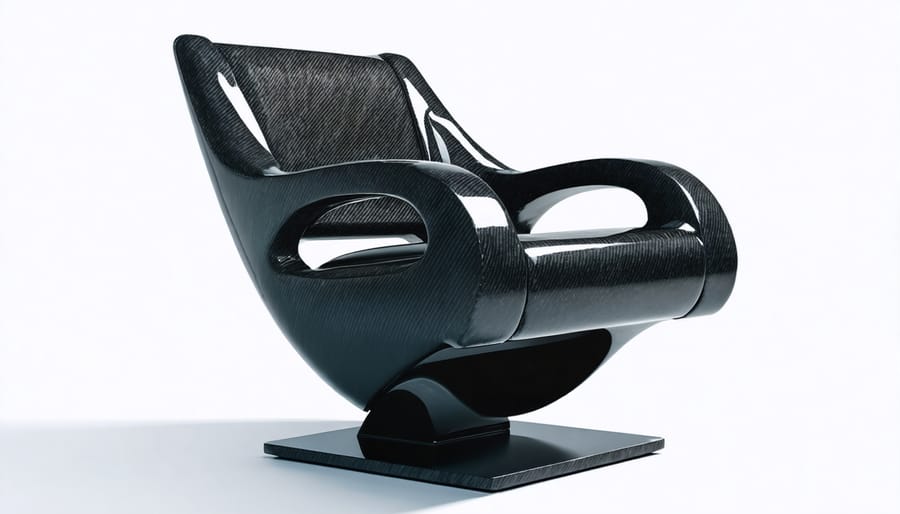
Carbon fiber composites are revolutionizing high-end furniture design, offering an exceptional blend of strength, elegance, and modern aesthetics. Through advanced carbon fiber manufacturing techniques, furniture designers can now create pieces that are incredibly lightweight yet stronger than traditional materials like steel or wood.
These innovative composites have found their way into statement pieces such as dining tables with impossibly thin tops that seem to float in air, and sculptural chairs that combine visual delicacy with remarkable durability. The material’s natural wave pattern and deep black finish create a sophisticated appearance that appeals to luxury markets and contemporary design enthusiasts.
One of the most significant advantages of carbon fiber furniture is its exceptional durability-to-weight ratio. A carbon fiber dining table, for instance, can be easily moved by one person yet withstand significant daily use without showing wear. This makes it particularly attractive for both residential spaces and high-traffic commercial environments like boutique hotels and executive offices.
The material’s resistance to temperature changes, moisture, and UV exposure ensures that pieces maintain their appearance and structural integrity over time. While the initial investment may be higher than traditional materials, the longevity and minimal maintenance requirements make carbon fiber furniture an intelligent long-term choice for discerning clients who value both form and function.
As sustainability becomes increasingly important in furniture design, eco-friendly composite options are revolutionizing the industry. These innovative materials combine recycled plastics, wood fibers, and other reclaimed materials to create durable and environmentally responsible furniture components.
One popular recycled composite blend incorporates post-consumer plastic bottles with reclaimed wood sawdust, resulting in a material that’s both sturdy and moisture-resistant. This combination not only diverts waste from landfills but also creates a product that often outperforms traditional materials in terms of weather resistance and longevity.
Another promising development is the use of agricultural waste products, such as rice hulls and wheat straw, combined with recycled polymers. These materials offer excellent dimensional stability and can be molded into complex shapes, making them ideal for contemporary furniture designs. Property managers particularly appreciate their low maintenance requirements and resistance to pest infestation.
The performance characteristics of recycled composites often surprise our clients. These materials typically offer superior scratch resistance compared to conventional wood products, and their color stability means they maintain their appearance even after years of use. While initial costs may be slightly higher than traditional materials, the extended lifespan and reduced maintenance needs make them a cost-effective choice for both residential and commercial applications.
Recent advancements in manufacturing processes have also improved the aesthetic appeal of recycled composites, allowing them to closely mimic natural materials while providing enhanced durability and sustainability benefits.
In recent years, bio-based composites have emerged as a sustainable alternative to traditional materials in furniture and construction. These innovative materials combine natural fibers like hemp, flax, jute, and bamboo with eco-friendly resins to create durable, lightweight composites that rival their synthetic counterparts in performance.
What makes bio-based composites particularly attractive is their reduced environmental impact. The natural fibers used are renewable, biodegradable, and require significantly less energy to produce compared to glass or carbon fibers. Additionally, these materials often come from agricultural byproducts, turning what would be waste into valuable resources.
Property managers and homeowners are increasingly choosing furniture and building materials made with bio-based composites due to their unique benefits. These materials offer excellent thermal and acoustic insulation properties, natural resistance to moisture, and impressive strength-to-weight ratios. They’re also cost-effective, as many natural fibers are abundant and locally available.
The aesthetic appeal of bio-based composites shouldn’t be overlooked. They bring a warm, organic texture to furniture pieces while maintaining modern design sensibilities. Many manufacturers are now incorporating these materials into their high-end furniture lines, creating pieces that are both environmentally responsible and visually striking.
As technology advances, we’re seeing even more innovative applications of bio-based composites, from decorative panels to structural elements, proving that sustainability and performance can go hand in hand.
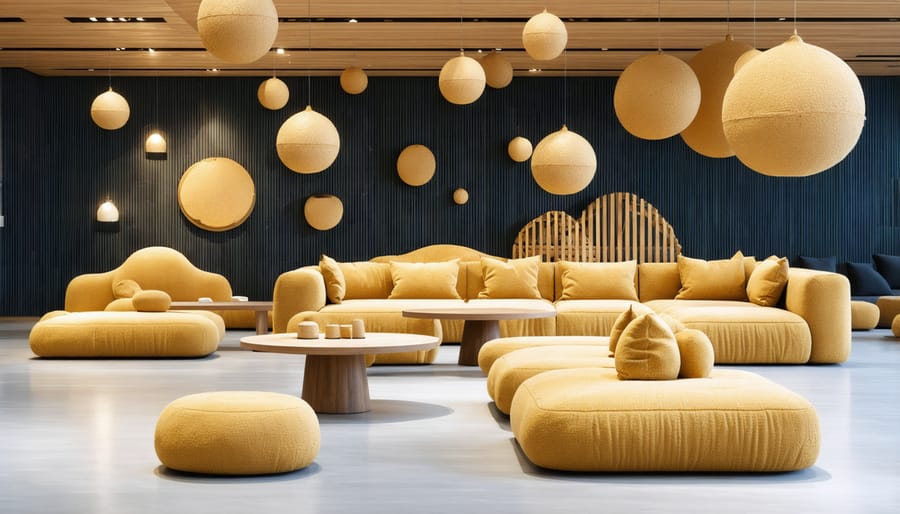
Composite materials have found their sweet spot in several key areas of furniture design, particularly where durability meets aesthetics. Outdoor furniture represents one of the most successful applications, with composite materials offering superior weather resistance and minimal maintenance requirements compared to traditional wood or metal options.
In commercial settings, composite furniture excels in high-traffic areas such as hotel lobbies, restaurants, and office spaces. These pieces maintain their appearance even under constant use while providing excellent resistance to stains, scratches, and daily wear. The material’s versatility allows designers to create seamless, flowing forms that would be impossible with traditional materials.
Modern dining tables and chairs benefit from composite construction, especially in family homes where durability is paramount. The materials can withstand spills, hot dishes, and cleaning products without compromising their appearance. Additionally, composite materials shine in modular furniture systems, where precision manufacturing ensures perfect fit and consistency across multiple pieces.
Storage solutions and cabinet systems represent another area where composites demonstrate their value. These materials offer the perfect balance of strength and weight, allowing for larger storage units that remain easy to move and install. Their moisture resistance makes them ideal for bathroom vanities and kitchen cabinets, where traditional materials might warp or deteriorate over time.
The combination of strength, design flexibility, and longevity makes composite materials an increasingly popular choice for both residential and commercial furniture applications, particularly where performance and aesthetics must go hand in hand.
Proper maintenance of composite furniture is essential for preserving its beauty and functionality over time. Understanding the basics of maintaining modern furniture made from composite materials can significantly extend its lifespan and protect your investment.
Regular dusting with a soft, microfiber cloth prevents particle buildup that could scratch the surface. For deeper cleaning, use a mild soap solution and avoid harsh chemicals that might damage the protective finish. Always test cleaning products on a small, hidden area first.
Keep composite furniture away from direct sunlight when possible, as UV exposure can cause fading and material degradation over time. If outdoor placement is necessary, consider using UV-protective covers when the furniture isn’t in use.
Temperature and humidity control play crucial roles in preservation. Maintain stable indoor conditions, as extreme fluctuations can affect the material’s integrity. For outdoor composite furniture, ensure proper drainage and avoid prolonged exposure to standing water.
Address any damage promptly to prevent deterioration. Small scratches can often be buffed out using specialized composite repair kits, while deeper damage may require professional restoration. Regular inspection of joints and connection points helps identify potential issues before they become serious problems.
With proper care, composite furniture can maintain its appearance and structural integrity for many years, making it a smart long-term investment for both residential and commercial spaces.
The furniture industry stands at the cusp of a revolutionary transformation, with composite materials leading the charge toward more sustainable, durable, and innovative designs. Industry experts predict that by 2025, composite furniture will comprise nearly 30% of the high-end furniture market, driven by advances in material science and changing consumer preferences.
One of the most exciting developments is the emergence of bio-based composites, which combine natural fibers with eco-friendly resins. These materials not only reduce environmental impact but also create unique aesthetic qualities that traditional materials can’t match. Manufacturers are already experimenting with bamboo-polymer composites and recycled fiber materials that offer the warmth of wood with enhanced durability.
Smart composites are another trend gaining momentum. These materials can change properties based on environmental conditions, such as temperature-responsive surfaces that improve comfort or self-healing composites that repair minor scratches and dents automatically. This technology particularly appeals to commercial spaces where furniture endures heavy use.
3D-printed composite furniture is revolutionizing customization possibilities. Designers can now create intricate patterns and structures that were previously impossible with traditional manufacturing methods. This advancement allows for furniture pieces that are not only unique but also optimized for strength and weight distribution.
Looking ahead, we’re seeing development in nano-engineered composites that could dramatically improve furniture performance. These materials might offer features like enhanced UV resistance, antimicrobial properties, and even integrated wireless charging capabilities. The integration of such technology with aesthetic appeal will likely define the next generation of furniture design.
For property managers and homeowners, these innovations translate to furniture that requires less maintenance, lasts longer, and provides better value over time. As production techniques improve and scale up, we can expect these advanced materials to become more accessible and affordable, making high-performance composite furniture the new standard in both residential and commercial settings.
The integration of composite materials in furniture design has revolutionized the industry, offering unprecedented possibilities for creating durable, sustainable, and aesthetically pleasing pieces. As we’ve explored throughout this article, composites have enabled furniture manufacturers to overcome traditional material limitations while meeting growing consumer demands for eco-friendly options.
The impact of composite engineering extends far beyond mere material substitution. These innovative materials have enabled designers to push creative boundaries, resulting in furniture that combines lightweight construction with exceptional strength. From commercial spaces to residential environments, composite furniture has proven its worth through enhanced longevity, reduced maintenance requirements, and superior performance under various conditions.
Looking ahead, the future of furniture design appears increasingly intertwined with composite technology. Emerging trends suggest continued advancement in sustainable composite materials, with bio-based options leading the way. We can expect to see more furniture pieces that incorporate smart composites, enabling features like temperature regulation and self-repair capabilities.
The marriage of traditional craftsmanship with modern composite engineering has opened new horizons for furniture design. As manufacturing techniques continue to evolve and new composite materials emerge, we can anticipate even more innovative solutions that balance functionality, sustainability, and aesthetic appeal. This ongoing evolution ensures that composite furniture will remain at the forefront of interior design and architectural applications for years to come.