

Transforming forgotten spaces into vibrant new destinations, adaptive reuse architects are revolutionizing how we preserve and reimagine our architectural heritage. These visionary professionals skillfully blend historical preservation with modern functionality, breathing new life into abandoned warehouses, defunct factories, and outdated commercial buildings. Unlike traditional architects who focus on new construction, adaptive reuse specialists excel at identifying the hidden potential within existing structures, reducing environmental impact while creating unique, character-rich spaces that tell compelling stories.
Their expertise extends beyond mere renovation – they’re masters at navigating complex building codes, historic preservation requirements, and sustainable design practices while maintaining the soul of original structures. From converting industrial spaces into luxury lofts to transforming historic churches into contemporary community centers, these architects serve as bridges between our architectural past and future. Their work not only preserves valuable building materials and reduces construction waste but also helps maintain the cultural fabric of communities while creating innovative spaces that meet modern needs.
The growing demand for sustainable development and urban renewal has positioned adaptive reuse architects at the forefront of contemporary architecture, making them essential players in the future of sustainable urban development.
Successful adaptive reuse architects excel at breathing new life into period pieces while maintaining their historical significance. They carefully evaluate each element’s cultural and architectural value before determining how to incorporate modern functionality. This delicate balance often involves preserving original features like decorative moldings, unique hardware, and distinctive finishes while subtly integrating contemporary amenities.
These professionals use innovative techniques to merge old and new, such as hiding modern technology behind historic facades or incorporating period-appropriate materials in updated configurations. They might preserve an antique cabinet’s exterior while modifying its interior to accommodate modern electronics, or restore original wooden elements while reinforcing them with discrete modern supports.
The key lies in making thoughtful choices that honor the past while embracing the present. This might mean selecting historically accurate finishes that meet modern durability standards or finding creative ways to incorporate energy-efficient features without compromising aesthetic integrity. The goal is always to create spaces that feel authentic yet completely functional for today’s needs.
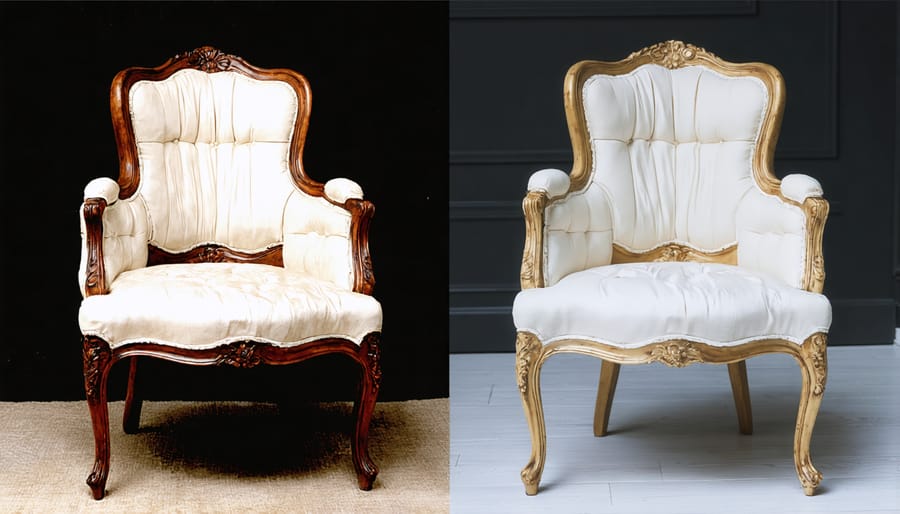
Successful adaptive reuse projects require careful consideration of how restored furniture integrates with the architectural space. Expert architects understand that furniture placement isn’t just about aesthetics – it’s about creating functional flow and preserving the historical narrative of the building while meeting modern needs.
When planning furniture integration, adaptive reuse architects typically begin with a comprehensive space analysis, considering factors like traffic patterns, natural light, and existing architectural features. They work closely with furniture restoration specialists to ensure that restored pieces not only complement the building’s character but also serve practical purposes in the reimagined space.
For example, in converting historic warehouses into modern offices, architects might incorporate restored industrial cabinets as room dividers or repurpose vintage workbenches as contemporary conference tables. This approach maintains authenticity while maximizing spatial efficiency. The key is striking a balance between preserving original elements and adapting them for current use.
Architects often create detailed furniture placement plans that account for both fixed architectural elements and flexible spaces, ensuring that restored pieces become integral components of the overall design rather than mere decorative additions.
Successful adaptive reuse projects begin with a thorough assessment of existing materials and careful selection of restoration elements. Architects specializing in this field employ a systematic approach to evaluate original components, considering both their historical significance and structural integrity. This process is crucial for preserving historical value while ensuring practical functionality.
The assessment typically starts with a detailed inventory of original materials, documenting their condition, age, and cultural importance. Architects examine factors such as wear patterns, material degradation, and previous restoration attempts. They often use non-invasive testing methods, including moisture meters and thermal imaging, to understand the materials’ current state without causing damage.
When selecting new materials for restoration, architects balance several key considerations. These include compatibility with existing materials, durability for intended use, sustainability, and aesthetic coherence. Modern alternatives must complement original elements while meeting current building codes and environmental standards.
For example, when restoring historic wooden features, architects might choose reclaimed timber from similar-era buildings to maintain authenticity. In cases where original materials cannot be salvaged, they select contemporary materials that match historical specifications in appearance and performance. This might involve custom-mixing mortar to match historic formulations or sourcing specialty hardware that replicates period-specific designs.
The selection process also considers long-term maintenance requirements and the building’s future use. Materials are chosen not only for their immediate visual impact but also for their ability to withstand modern usage patterns while maintaining historical character.
When adapting historical furniture for modern use, architects must carefully balance preservation with functionality. The process typically begins with a thorough structural assessment, identifying load-bearing elements and stress points that may require reinforcement. Modern techniques, such as carbon fiber supports and specialized wood treatments, allow for subtle strengthening without compromising the piece’s historical character.
Architects often incorporate reversible modifications, ensuring future generations can restore the furniture to its original state if desired. This might include adding removable braces or using non-invasive joining methods that don’t damage the original materials. For example, when converting antique armoires into entertainment centers, architects design custom interior frames that support modern electronics while distributing weight evenly across the existing structure.
Stability enhancement is another crucial aspect, particularly for pieces that will see regular use. This might involve reinforcing leg joints, adding hidden support brackets, or implementing modern hardware solutions that complement period-appropriate appearances. Temperature and humidity controls are often integrated to prevent material degradation, especially in pieces containing multiple types of wood or mixed materials.
For commercial applications, architects must also consider building codes and safety requirements. This often means incorporating fire-resistant treatments and ensuring adequate structural support for public use while maintaining the furniture’s aesthetic integrity. Solutions might include invisible fire-retardant coatings or concealed steel reinforcements that meet modern safety standards without diminishing historical value.
The key to successful structural modification lies in understanding both historical construction techniques and contemporary engineering principles, allowing architects to create solutions that preserve the past while serving present-day needs.
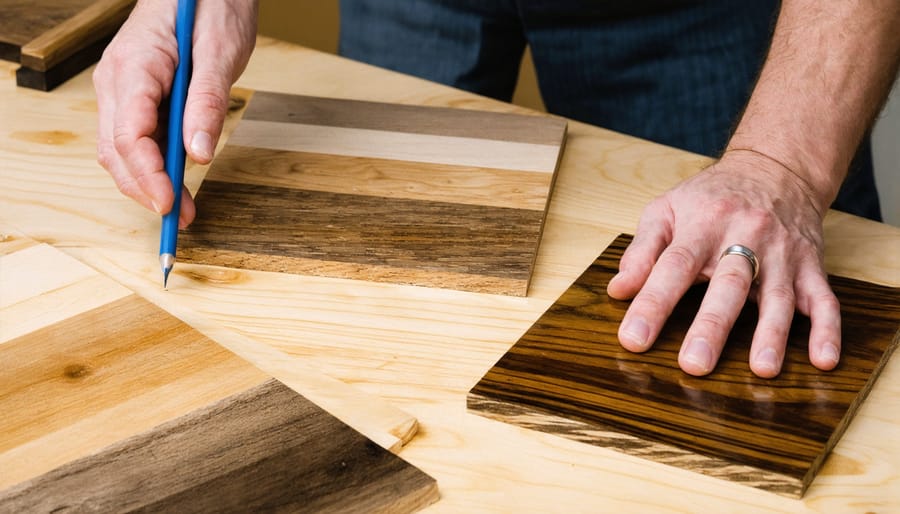
In adaptive reuse architecture, the selection of sustainable materials and finishes plays a crucial role in preserving both historical integrity and environmental responsibility. Modern architects prioritize earth-friendly furniture restoration techniques alongside building materials that minimize environmental impact while maintaining aesthetic appeal.
Popular eco-friendly materials include reclaimed wood, which not only reduces deforestation but also brings character through its unique patina. Bamboo, cork, and other rapidly renewable resources offer sustainable alternatives to traditional building materials. Low-VOC paints and natural finishes protect both the environment and occupant health while preserving the authentic look of restored elements.
Many architects incorporate recycled metal components, salvaged architectural elements, and repurposed materials throughout their projects. These choices not only reduce waste but often cost less than new materials while adding distinctive character to the space. Water-based sealants and natural oils have replaced harmful chemical finishes, ensuring durability without compromising air quality.
The integration of these sustainable materials often extends to furniture and fixtures, where traditional restoration techniques combine with modern eco-friendly practices. This holistic approach ensures that every aspect of the adaptive reuse project contributes to environmental sustainability while honoring the original craftsmanship of the space.
Adaptive reuse architects prioritize waste reduction through carefully planned deconstruction and material recovery strategies. By conducting thorough pre-renovation assessments, these professionals identify salvageable materials and fixtures that can be repurposed within the same project or stored for future use. This approach not only reduces landfill waste but also preserves the historical integrity of original materials.
A key strategy involves creating detailed salvage maps before demolition begins, marking specific elements for preservation and documenting their condition. Architects work closely with specialized contractors to implement precise removal techniques that protect valuable materials from damage. Common salvaged items include wooden beams, flooring, doors, windows, and architectural details that often carry both historical significance and practical value.
Modern waste reduction extends beyond material preservation. Adaptive reuse architects increasingly incorporate digital modeling to optimize space utilization and minimize unnecessary demolition. They also establish partnerships with local salvage yards and architectural antique dealers to ensure that materials that cannot be used on-site find new homes in other projects.
Successful waste reduction often involves creative solutions, such as transforming old wooden floors into striking wall features or repurposing industrial equipment as decorative elements. These architects also emphasize the importance of proper sorting and storage of materials during renovation, maintaining organized staging areas to prevent damage to salvaged items and facilitate their efficient reintegration into the project.
The initial assessment phase is crucial for successful adaptive reuse projects involving furniture restoration. Our architects begin by conducting a thorough evaluation of each piece, documenting its historical significance, current condition, and structural integrity. This comprehensive analysis includes examining joints, materials, finishes, and any previous restoration attempts.
Using specialized assessment tools and smart furniture restoration techniques, we create detailed condition reports that highlight areas requiring attention. Our team photographs and measures each piece, creating precise digital documentation that guides the restoration process.
The design planning phase involves developing a tailored restoration strategy that balances preservation with functionality. We consider factors such as the intended use, environmental conditions, and integration with the broader architectural space. Our architects create detailed sketches and 3D models to visualize the restored piece within its intended setting.
During this stage, we also select appropriate materials and restoration methods, prioritizing authenticity while incorporating modern preservation techniques where beneficial. We provide clients with a comprehensive project timeline, cost estimates, and material samples, ensuring complete transparency throughout the planning process.
Each restoration plan includes contingency measures for unexpected discoveries during the restoration process, reflecting our commitment to adaptability and excellence in furniture preservation.
Effective client communication is the cornerstone of successful adaptive reuse projects. From the initial consultation through project completion, architects must establish clear channels of dialogue and set realistic expectations. This begins with thorough documentation of the client’s vision, budget constraints, and timeline requirements.
Regular project updates and milestone meetings help maintain transparency and allow for timely adjustments when necessary. Successful architects often create detailed presentation packages that include 3D visualizations, material samples, and phasing plans to help clients fully understand the transformation process. These visual aids are particularly valuable when explaining complex architectural concepts to stakeholders who may not have technical backgrounds.
Managing expectations also involves educating clients about the unique challenges of adaptive reuse projects. This includes potential discoveries during construction, timeline flexibility needs, and budget considerations for unexpected structural issues. Experienced architects prepare clients by including contingency plans and buffer periods in project timelines.
Documentation plays a crucial role in client relations. Maintaining detailed records of all decisions, changes, and approvals helps prevent misunderstandings and provides clear reference points throughout the project. Many architects now use digital collaboration platforms to share progress updates, collect feedback, and store project documents in real-time.
To ensure client satisfaction, establishing a post-project evaluation process helps gather valuable feedback and maintains positive relationships for future opportunities. This approach often leads to strong referrals and repeat business.
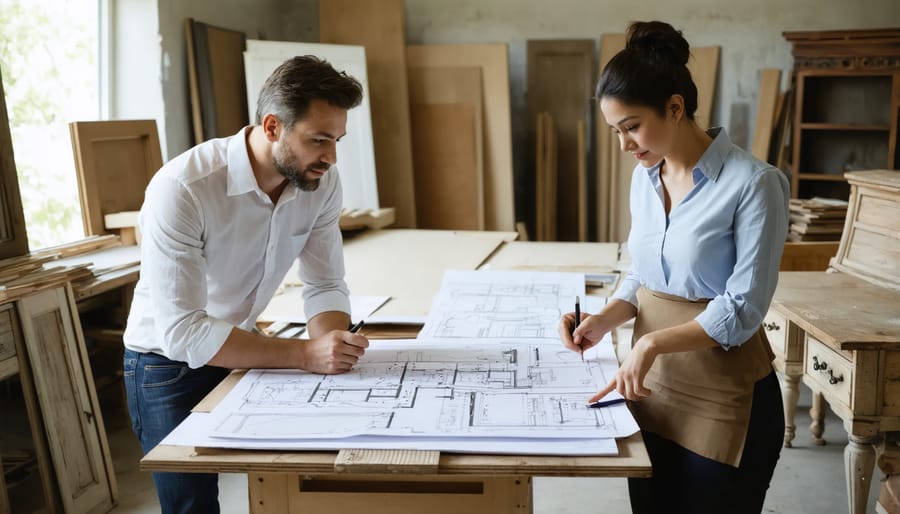
In the evolving landscape of adaptive reuse projects, the role of architectural expertise in furniture restoration cannot be overstated. Through careful consideration of historical significance, spatial dynamics, and functional requirements, architects bring a unique perspective that elevates simple furniture restoration to an integral part of comprehensive building transformation.
The success of adaptive reuse projects often hinges on the seamless integration of restored furniture pieces with the renovated space. Architects possess the vision to understand how each piece contributes to the overall aesthetic and functional goals of the project. Their expertise ensures that restored furniture not only preserves historical value but also serves contemporary needs effectively.
The collaborative approach between restoration specialists and architects has proven particularly valuable in commercial and institutional projects, where furniture must balance authenticity with modern utility. Through countless successful projects, we’ve seen how this partnership results in spaces that honor their past while embracing future requirements.
Looking ahead, the demand for architectural expertise in furniture restoration continues to grow as more organizations recognize the sustainability and cultural benefits of adaptive reuse. By combining preservation techniques with architectural vision, these projects create meaningful connections between past and present, delivering spaces that tell compelling stories while serving modern needs efficiently.
The future of adaptive reuse lies in this holistic approach, where every element – from structural modifications to furniture restoration – works in harmony to create truly exceptional spaces.