

Transform your outdoor living space into an eco-conscious sanctuary with patio furniture crafted from recycled plastic – a revolutionary solution that diverts thousands of pounds of plastic waste from landfills while delivering exceptional durability and style. Modern recycled plastic furniture combines environmental responsibility with practical benefits, offering weather-resistant pieces that maintain their appearance for decades without splintering, rotting, or requiring intensive maintenance. From elegant dining sets to comfortable loungers, these sustainable pieces now rival traditional materials in both aesthetics and performance, while typically saving homeowners 25-40% in long-term maintenance costs. Whether you’re furnishing a small urban balcony or an expansive commercial patio, recycled plastic furniture represents a forward-thinking choice that harmonizes environmental stewardship with sophisticated outdoor living.
The transformation of plastic waste into durable patio furniture presents remarkable environmental benefits. On average, a single outdoor dining set made from recycled plastic keeps approximately 1,000 plastic milk jugs out of landfills. The manufacturing process requires 75% less energy compared to creating new plastic products, significantly reducing carbon emissions.
Industry data shows that recycled plastic furniture production has grown by 300% in the last decade, with manufacturers now processing over 500 million pounds of post-consumer plastic annually. A standard six-foot bench typically contains about 400 recycled milk jugs, while a full outdoor sectional can repurpose up to 3,000 plastic containers.
The durability metrics are equally impressive. Recycled plastic furniture can last 20-50 years, compared to 5-10 years for traditional wooden furniture, making it not just environmentally conscious but also cost-effective in the long run. These products maintain their structural integrity through countless seasons, withstanding UV rays, moisture, and temperature fluctuations without degrading.
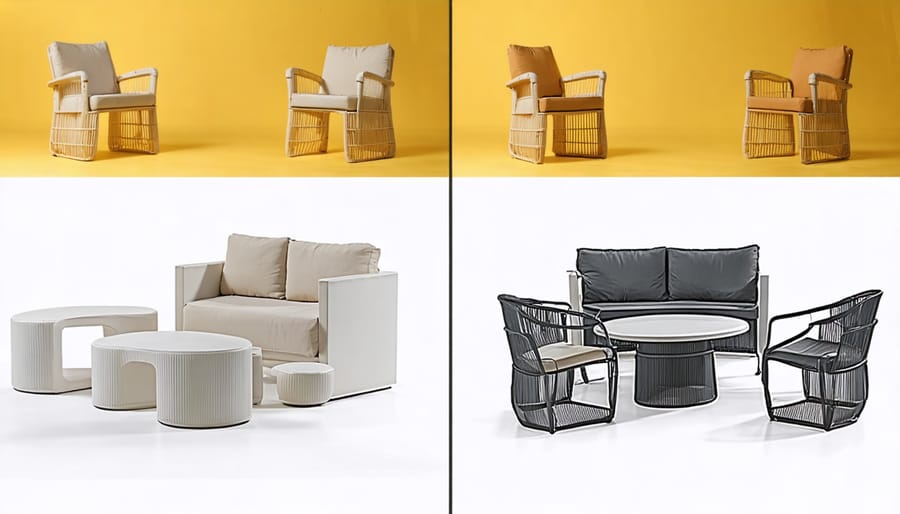
Recycled plastic patio furniture stands out for its exceptional weather resistance and long-term durability, often outlasting traditional wooden alternatives by decades. These pieces maintain their structural integrity and appearance even when exposed to harsh elements like intense UV rays, heavy rain, or extreme temperature fluctuations. Unlike natural materials that require regular durability enhancement methods, recycled plastic furniture needs minimal maintenance to retain its quality.
The material’s non-porous nature prevents water absorption, eliminating concerns about rot, mold, or mildew. You won’t experience splintering, cracking, or warping that commonly affects wooden furniture. The color is integrated throughout the material during manufacturing, ensuring that fading is minimal and scratches are less noticeable. Regular cleaning with mild soap and water is typically all that’s needed to keep these pieces looking fresh.
Property managers particularly appreciate that these furnishings can withstand commercial use while maintaining their aesthetic appeal, making them a smart long-term investment for both residential and business applications.

Despite its durability, recycled plastic patio furniture can experience wear issues over time. Sun exposure often causes color fading, particularly in darker-colored pieces. To address this, apply a UV-protective coating annually and consider using furniture covers when the pieces aren’t in use. This simple preventive measure can extend the life of your furniture significantly.
Surface scratches are another common concern, especially in high-traffic areas. Light scratches can often be buffed out using fine-grit sandpaper, followed by a plastic polish to restore the shine. For deeper scratches, specialized plastic repair kits are available and provide excellent results when properly applied.
Joint loosening may occur due to regular use and temperature fluctuations. Tighten any visible screws or bolts periodically, and check connection points during seasonal maintenance. If you notice persistent wobbling, reinforcing brackets can be installed to provide additional stability.
Some users report staining from sunscreen, food, or beverages. Most stains can be removed using a mixture of mild dish soap and warm water. For stubborn stains, a specialized plastic cleaner or a solution of baking soda paste can be effective without damaging the material. Always test cleaning solutions on a small, hidden area first.
Structural issues, while rare, should be addressed promptly. If you notice cracking or splitting, professional repair services can often reinforce the damaged area using heat-welding techniques, preventing further deterioration and extending the furniture’s lifespan.
Restoring recycled plastic patio furniture requires specific furniture restoration techniques to maintain its durability and appearance. Begin by thoroughly cleaning the surface using a mixture of mild soap and warm water, removing any stubborn stains with a soft-bristled brush. For oxidized or faded surfaces, apply a specialized UV-protective plastic restorer using circular motions to ensure even coverage.
Deep scratches can be addressed using a heat gun on its lowest setting, carefully warming the affected area until the plastic becomes slightly pliable. Gently smooth the surface with a plastic putty knife, being careful not to overheat the material. For structural repairs, use high-strength plastic epoxy designed specifically for outdoor use.
Color restoration is achievable through professional-grade plastic dyes or specialized paint formulated for recycled plastic materials. Apply in thin, even coats, allowing proper drying time between applications. To prevent future damage, finish with a UV-resistant clear coat that shields against sun exposure and harsh weather conditions.
Minor cracks can be stabilized using plastic welding techniques, which involve melting compatible plastic rods into the damaged area. This creates a permanent bond that maintains the furniture’s structural integrity. For best results, always test restoration products on a small, inconspicuous area first and perform repairs in moderate weather conditions.
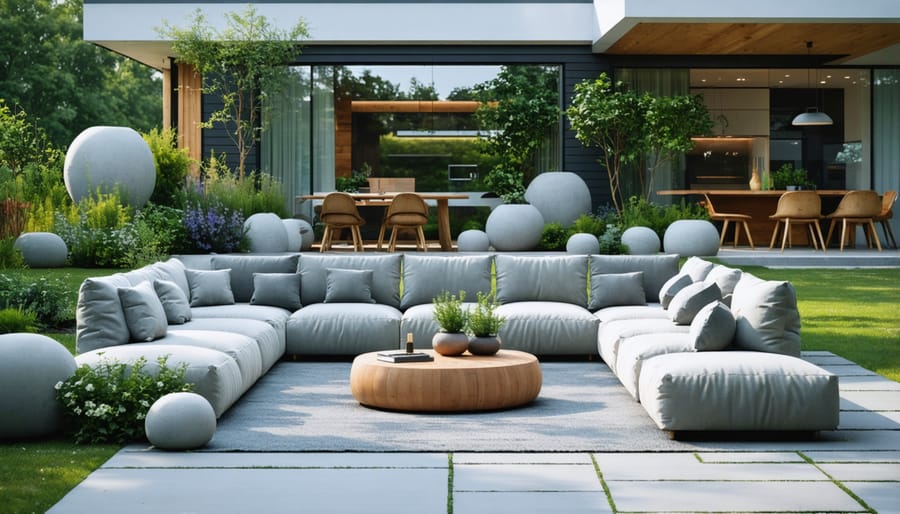
Recent advancements in recycled plastic furniture manufacturing have revolutionized outdoor living spaces. Today’s modern outdoor design innovations incorporate sophisticated molding techniques that create pieces virtually indistinguishable from traditional materials. Manufacturers now utilize multi-layer extrusion processes, combining different types of recycled plastics to enhance durability while maintaining aesthetic appeal.
Color-blending technology has evolved to produce rich, wood-like grains and textures that resist fading. UV-resistant additives are now integrated during the manufacturing process, rather than applied as a coating, ensuring longer-lasting protection against sun damage. Some manufacturers have introduced antimicrobial properties into their furniture, making it ideal for both residential and commercial settings.
Smart design features include reinforced internal structures that prevent sagging, and innovative joinery systems that eliminate the need for visible hardware. Weight-distribution technology has improved stability without compromising the furniture’s portable nature. These advances have transformed recycled plastic furniture from a purely ecological choice into a premium outdoor furnishing option that combines sustainability with sophistication.
Recycled plastic patio furniture offers an impressive range of color options and textures that rival traditional materials. Manufacturers can create pieces in virtually any color, from subtle earth tones that blend with natural landscapes to vibrant hues that make bold design statements. The color is mixed into the plastic during manufacturing, ensuring it permeates throughout the material rather than just sitting on the surface.
The texture possibilities are equally diverse, with options ranging from smooth, glossy finishes to surfaces that convincingly mimic the grain of natural wood. Some manufacturers even offer multi-colored patterns that replicate the look of expensive materials like marble or granite. The flexibility of recycled plastic manufacturing allows for detailed surface treatments that can provide both visual and tactile appeal.
What’s particularly impressive is how these colors and textures maintain their appearance over time. Unlike painted or stained furniture, recycled plastic pieces won’t fade significantly or require regular refinishing to maintain their aesthetic appeal. This color-fast quality makes them especially suitable for high-exposure outdoor areas where traditional furniture might quickly show signs of weathering.
While recycled plastic patio furniture may have a higher initial cost compared to traditional materials, the long-term value proposition is compelling. On average, a quality recycled plastic dining set ranges from $1,200 to $2,500, while individual pieces like chairs typically cost between $200 and $400. This represents a 20-30% premium over conventional wooden alternatives.
However, the durability and longevity of recycled plastic furniture justify the investment. These pieces can last 20+ years with minimal maintenance, compared to 5-7 years for wooden furniture. When calculating the cost per year of use, recycled plastic furniture often works out to be more economical, averaging $60-125 per year compared to $150-200 for traditional materials that require regular replacement.
Maintenance costs are another significant factor. Unlike wood or metal furniture that requires annual refinishing, sealing, or rust treatment, recycled plastic furniture needs only basic cleaning with soap and water. This saves approximately $100-200 in annual maintenance costs and countless hours of upkeep time.
The furniture’s resistance to weather damage, fading, and pest infestation also means fewer repair or replacement expenses. Many manufacturers offer warranties ranging from 10 to 20 years, providing additional value security. Commercial property managers particularly appreciate the reduced maintenance requirements and extended lifespan, which translate to lower operational costs over time.
Consider also that recycled plastic furniture typically retains its appearance and structural integrity throughout its lifetime, maintaining both aesthetic appeal and functionality. This sustained quality helps preserve property value and reduces the frequency of furniture replacement cycles.
Choosing patio furniture made from recycled plastic represents a significant step toward environmental stewardship without compromising on style, durability, or comfort. By selecting these sustainable pieces, homeowners and property managers not only contribute to reducing plastic waste but also invest in furniture that withstands the elements while maintaining its aesthetic appeal. The minimal maintenance requirements, coupled with impressive longevity, make recycled plastic furniture a cost-effective choice for any outdoor space.
As we’ve explored throughout this article, these eco-friendly options offer remarkable versatility in design, color choices, and configurations to suit any architectural style or outdoor setting. The advancement in manufacturing techniques has elevated recycled plastic furniture from a purely practical choice to a sophisticated design statement that rivals traditional materials.
Whether you’re furnishing a small balcony or outfitting a commercial space, recycled plastic patio furniture proves that sustainable choices can be both beautiful and practical. By choosing these environmentally conscious pieces, you’re not just creating an inviting outdoor space – you’re investing in our planet’s future while enjoying the perfect blend of style, durability, and environmental responsibility.