

The office furniture landscape is undergoing a revolutionary transformation, driven by smart furniture technologies and innovative design solutions. From self-adjusting ergonomic chairs that respond to posture changes to modular workstations that adapt to hybrid work environments, today’s office furniture combines functionality with cutting-edge technology. These innovations aren’t just about aesthetics—they’re reshaping how we approach workspace efficiency, employee wellness, and furniture maintenance. For facility managers and furniture repair professionals, understanding these advancements is crucial for staying competitive in an evolving market. Recent developments in materials science have introduced self-healing surfaces, antimicrobial coatings, and smart sensors that monitor furniture usage patterns, fundamentally changing how we maintain and repair office assets. As we navigate the future of workplace design, these innovations offer unprecedented opportunities to enhance workspace functionality while reducing long-term maintenance costs.
Nano-technology has revolutionized surface protection in office furniture, introducing self-healing and damage-resistant coatings that significantly extend furniture lifespan. These microscopic innovations create an invisible shield that actively prevents scratches, stains, and wear while maintaining the furniture’s original appearance.
Advanced nano-coatings contain tiny particles that reorganize themselves when damage occurs, effectively “healing” minor scratches and scuffs automatically. This technology is particularly valuable in high-traffic office environments where furniture regularly faces coffee spills, pen marks, and daily wear and tear.
Some cutting-edge solutions incorporate hydrophobic properties, causing liquids to bead up and roll off instead of being absorbed into the material. Others feature UV-resistant compounds that prevent fading and discoloration, even when furniture is placed near windows or under harsh lighting conditions.
The latest developments include smart-sensing coatings that change color when damaged, allowing facility managers to identify and address potential issues before they become serious problems. These protective layers are incredibly thin – typically just a few nanometers – yet provide remarkable durability without altering the furniture’s texture or appearance.
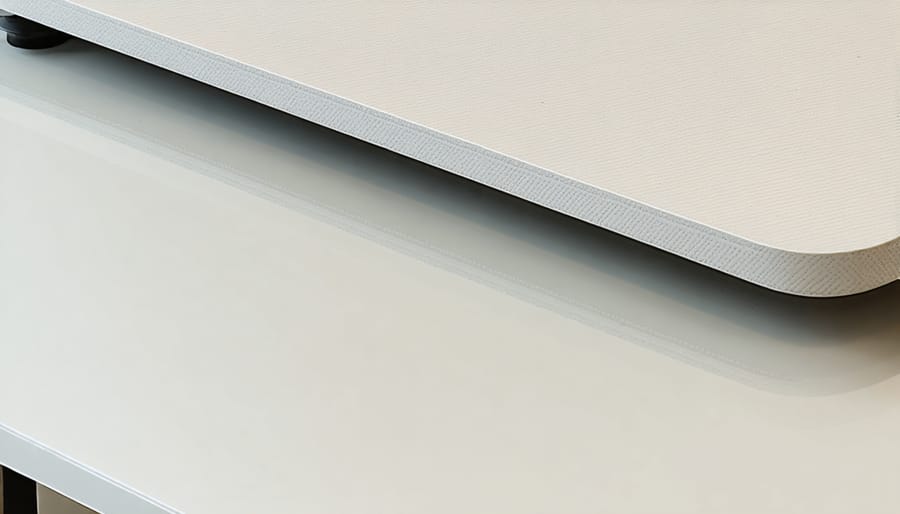
Smart fabrics have revolutionized office furniture upholstery, offering unprecedented protection against daily wear and tear. These innovative materials combine nanotechnology with traditional fabric manufacturing to create surfaces that actively repel stains and maintain their appearance with minimal maintenance.
Leading manufacturers now incorporate hydrophobic coatings that cause liquids to bead up and roll off instead of being absorbed. This technology proves invaluable for busy office environments where coffee spills and ink marks are common occurrences. Some advanced fabrics even feature built-in antimicrobial properties, helping to maintain a more hygienic workspace by preventing the growth of bacteria and other microorganisms.
Perhaps most impressive are the self-cleaning capabilities of these new materials. Through a combination of UV-reactive particles and specialized fiber structures, these fabrics can break down organic stains when exposed to natural or artificial light. This significantly reduces cleaning costs and extends the furniture’s lifespan.
For facility managers and property owners, these smart fabrics represent a wise investment, offering reduced maintenance costs and longer replacement cycles while maintaining a professional appearance throughout the furniture’s service life.
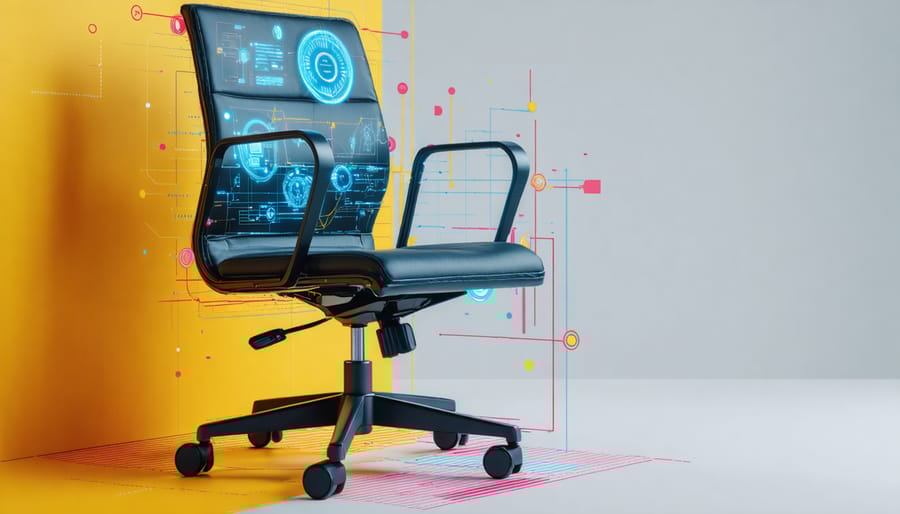
Modern office furniture has evolved beyond static pieces to incorporate intelligent monitoring capabilities. AI-powered maintenance systems now utilize sensors and machine learning algorithms to detect early signs of wear and potential failures in office furniture. These smart systems monitor factors like weight distribution, usage patterns, and structural integrity in real-time.
For example, smart office chairs can track sitting patterns and alert facility managers when components show signs of stress. Standing desks equipped with predictive sensors can identify unusual motor behavior before complete failure occurs. This proactive approach allows maintenance teams to address issues during off-hours, minimizing workplace disruptions.
The technology also tracks environmental conditions that might affect furniture longevity, such as humidity levels and temperature fluctuations. By analyzing this data, the system can recommend optimal maintenance schedules and predict when specific components might need replacement. This predictive capability has shown to reduce emergency repairs by up to 70% and extend furniture lifespan by an average of 40%.
Facility managers receive automated alerts through user-friendly dashboards, making it easier to plan and budget for necessary maintenance work while ensuring workplace safety and comfort.
Modern office furniture is becoming increasingly “smart” with embedded sensors and monitoring capabilities that revolutionize maintenance and repair practices. These remote monitoring solutions allow facility managers and furniture repair professionals to track the condition and usage patterns of office furniture in real-time.
IoT-enabled sensors can now detect early signs of wear and tear, unusual stress points, and potential structural issues before they become visible problems. For example, smart office chairs can monitor weight distribution, usage frequency, and mechanical stress, alerting maintenance teams when preventive care is needed.
Cloud-based dashboards provide comprehensive furniture health reports, enabling proactive maintenance scheduling and reducing unexpected breakdowns. Some advanced systems even incorporate AI algorithms that predict when specific components might fail based on historical data and usage patterns.
This technology is particularly valuable for large office spaces and remote workplaces, where regular physical inspections might be impractical. Facility managers can now monitor thousands of furniture pieces simultaneously, ensuring optimal performance and longevity while significantly reducing maintenance costs through predictive rather than reactive maintenance approaches.
Modern office furniture manufacturers are revolutionizing the industry with modular designs that make component replacement a breeze. Leading brands now offer desks, chairs, and storage units with easily detachable parts that can be swapped out in minutes. For instance, chair armrests now feature quick-release mechanisms, allowing facility managers to replace worn components without specialized tools or technical expertise.
These innovative designs significantly reduce maintenance costs and downtime. A damaged desk panel or cabinet door can be replaced without disrupting the entire workspace. Many manufacturers have standardized their components across product lines, meaning replacement parts are readily available and interchangeable.
Some standout features include magnetic attachments for privacy screens, tool-free drawer slides, and snap-on chair backs. This approach to furniture design not only extends the life of office furniture but also supports sustainability initiatives by reducing the need to replace entire pieces when only one component fails. Commercial property managers particularly appreciate how these quick-replace components streamline maintenance schedules and reduce repair costs.
Modern sustainable furniture repair solutions are revolutionizing how we maintain office furniture while minimizing environmental impact. Water-based adhesives and VOC-free finishes have replaced traditional toxic materials, ensuring safer workspaces and reduced ecological footprints. Innovative repair techniques now incorporate recycled materials and bio-based compounds, extending furniture lifespan while maintaining professional aesthetics.
Local sourcing of repair materials has become standard practice, reducing transportation emissions and supporting regional economies. Repair specialists increasingly use modular replacement parts, making repairs more efficient and reducing waste. Digital diagnostic tools help identify structural issues early, preventing major failures and unnecessary replacements.
These eco-conscious approaches not only benefit the environment but also offer significant cost savings for businesses. By implementing these sustainable practices, companies can maintain their furniture assets longer while demonstrating corporate responsibility and environmental stewardship.
3D printing technology has revolutionized the way office furniture repairs are handled, introducing an on-demand solution for replacing damaged or worn parts. Instead of waiting weeks for manufacturer-supplied components or settling for generic alternatives, facility managers can now have exact replicas printed within hours. This innovation is particularly valuable for discontinued furniture lines or unique pieces where original parts are no longer available.
The process begins with digital scanning of the broken component to create a precise 3D model. Using materials like high-strength polymers or reinforced composites, replacement parts are printed to match not only the dimensions but also the structural requirements of the original piece. From chair armrests to drawer handles, and even complex mechanical components, these custom-printed parts seamlessly integrate with existing furniture.
This approach has significantly reduced downtime and replacement costs while extending the lifespan of office furniture. Many facilities report savings of up to 70% compared to traditional replacement methods, with the added benefit of maintaining the original aesthetic and functionality of their furniture investments. The technology also supports sustainability initiatives by reducing waste and minimizing the need for complete furniture replacement.
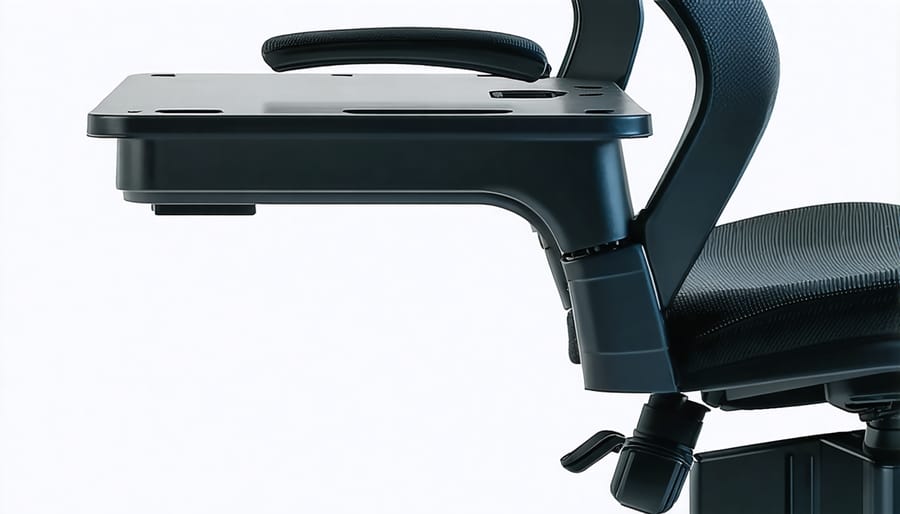
3D printing technology is revolutionizing the office furniture repair industry, offering exciting possibilities for the future. As this technology becomes more sophisticated, repair technicians will be able to create exact replicas of broken components on-demand, significantly reducing repair times and inventory costs. Custom-sized replacement parts can be printed within hours, eliminating the need to wait weeks for manufacturer-supplied components.
The emergence of advanced scanning technology paired with 3D printing will enable technicians to capture precise measurements of damaged parts and reproduce them with perfect accuracy. This innovation particularly benefits owners of vintage or discontinued office furniture, where replacement parts are often impossible to source traditionally.
Looking ahead, we can expect to see mobile repair units equipped with compact 3D printers, allowing for on-site part creation and immediate repairs. This development will minimize office disruption and decrease furniture downtime. Additionally, environmentally conscious businesses will appreciate that 3D printing typically produces less waste than traditional manufacturing methods, aligning with sustainable business practices.
The integration of smart materials in 3D printing will also enable the creation of parts that are potentially stronger and more durable than the originals, extending the lifespan of repaired furniture even further.
The rapid evolution of office furniture innovations has created both challenges and opportunities for furniture repair businesses. As manufacturers continue to integrate smart technology, sustainable materials, and modular designs into their products, repair services must adapt their skill sets and tools to remain competitive. This transformation has led to increased demand for specialized technicians who can handle both traditional repairs and emerging technologies.
For repair businesses, staying ahead of these innovations means investing in continuous education and new equipment. Many successful companies have already expanded their services to include smart furniture diagnostics, sustainable material restoration, and modular component replacement. This adaptability has opened new revenue streams and helped businesses attract technology-focused clients.
Looking ahead, the furniture repair industry appears poised for significant growth. The emphasis on sustainability and circular economy principles suggests that repair and restoration services will become increasingly valuable. Additionally, as office furniture becomes more sophisticated, the need for specialized repair expertise will likely increase.
For repair businesses planning for the future, focusing on technological training, sustainable practices, and adaptable service offerings will be crucial. Those who embrace these changes while maintaining traditional repair expertise will be best positioned to thrive in this evolving market. The continued innovation in office furniture design presents an opportunity for repair businesses to establish themselves as essential partners in the modern workplace ecosystem.