
Transform your landscape with naturally pest-resistant trees that actively repel destructive insects while enhancing your property’s beauty and value. Native species like Northern Red Oak and Black Cherry trees produce defensive compounds that deter common pests, creating a robust natural barrier that helps keep pests away from your outdoor space. These resilient varieties not only reduce maintenance costs and pesticide use but also support beneficial insects and local wildlife populations. Strategic placement of pest-resistant trees like American Holly and River Birch creates an environmentally friendly defense system that protects your entire landscape investment while maintaining its aesthetic appeal throughout the seasons.
Trees have evolved remarkable chemical defense mechanisms that naturally repel insects and other pests. Many species produce essential oils, tannins, and other compounds that make their bark, leaves, and wood less appetizing to potential invaders. Pine trees, for example, secrete sticky resin that both deters insects and helps seal wounds in their bark. Cedar trees contain powerful aromatic oils that repel moths, termites, and other wood-boring insects, which is why cedar wood is popular for closets and outdoor furniture.
Certain deciduous trees like black walnut produce juglone, a natural chemical that not only deters pests but also inhibits the growth of competing plants nearby. Oak trees contain high levels of tannins that make their wood bitter and less attractive to insects. These natural defenses work continuously throughout the tree’s life, providing long-term protection without the need for artificial pesticides. Understanding these natural chemical barriers can help property owners choose trees that offer built-in pest resistance for their landscapes.
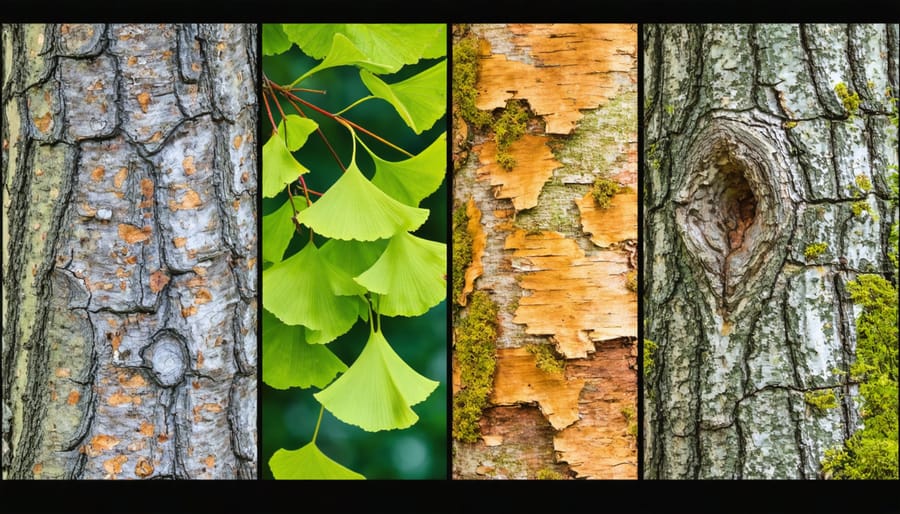
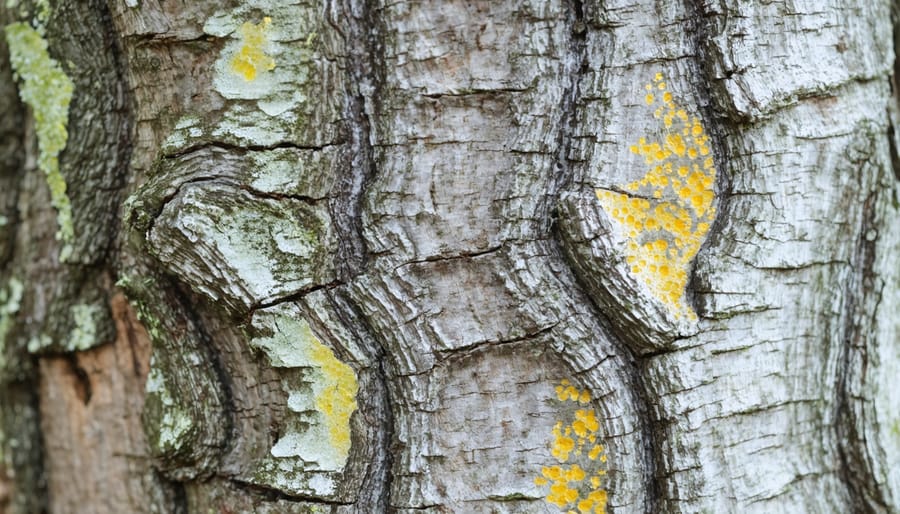
Trees have evolved remarkable physical defenses against pest invasions over millions of years. Thick, rough bark creates an imposing barrier that many insects struggle to penetrate, while smooth bark can make it difficult for pests to gain a foothold. Some species develop cork-like bark layers that effectively seal off damaged areas, preventing insects from exploiting vulnerabilities.
Leaf characteristics play a crucial role in pest resistance. Trees with waxy or leathery leaves often repel leaf-eating insects, while those with fuzzy or hairy surfaces deter soft-bodied pests. The presence of thorns, spines, or prickles on branches and twigs serves as a natural deterrent to larger pests like deer and rodents.
Some trees also produce sticky sap or resin that can trap and immobilize insects. Others have developed specialized structures like extra-thick leaf cuticles or modified cell walls that make it physically challenging for pests to feed on the tree’s tissues. These natural defensive features contribute to a tree’s overall resilience against unwanted invaders.
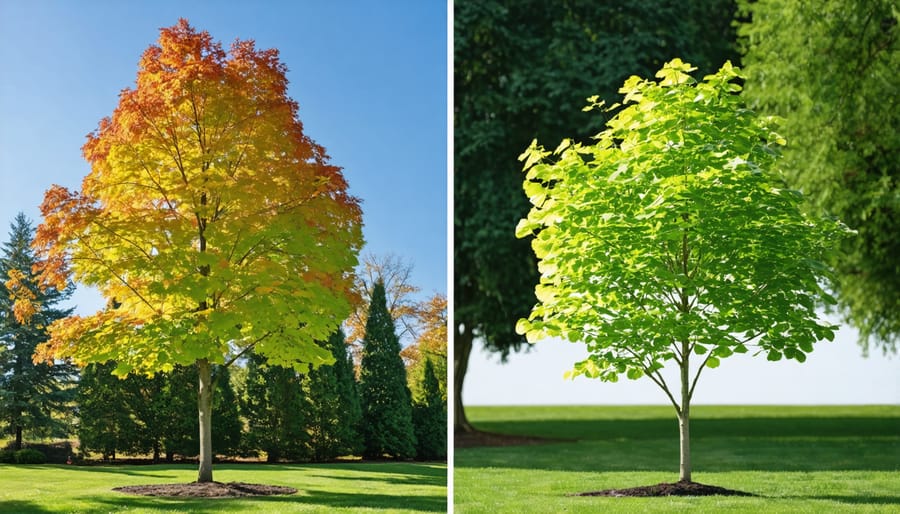
When it comes to deciduous trees that naturally resist pests, several champions stand out for their remarkable resilience. The Northern Red Oak tops the list with its robust defense mechanisms against common insects and diseases. This majestic tree not only provides excellent shade but also maintains its health with minimal intervention.
The Ginkgo biloba, often called the Maidenhair tree, demonstrates exceptional resistance to nearly all pests and diseases. Its unique fan-shaped leaves and golden fall color make it an attractive choice for both urban and suburban landscapes. Japanese Zelkova, a worthy alternative to elm trees, shows outstanding resistance to Dutch elm disease and Japanese beetles.
For smaller spaces, the Thornless Honeylocust offers pest resistance while allowing filtered light to reach the ground below. Its small leaves decompose quickly in fall, making cleanup easier. The American Beech, with its smooth gray bark and copper-colored winter foliage, naturally deters many common wood-boring insects.
The Kentucky Coffeetree deserves special mention for its resistance to gypsy moths and other defoliating insects. Its adaptability to various soil conditions makes it an excellent choice for challenging environments. These trees not only provide beauty and shade but also offer peace of mind through their natural defense systems, requiring less maintenance and fewer chemical interventions over their lifetime.
Evergreen trees offer year-round protection against pests while maintaining their stunning appearance throughout the seasons. Leading the pack is the Colorado Blue Spruce, known for its natural resistance to spider mites and other common tree pests. Its dense, silvery-blue needles not only create an attractive landscape feature but also contain natural compounds that deter insects.
The Austrian Pine stands as another resilient choice, particularly effective against bark beetles and needle cast diseases. Its thick bark and robust growth pattern make it an excellent option for windbreaks and privacy screens while naturally repelling many common pests.
The Eastern Red Cedar deserves special mention for its outstanding resistance to bagworms and spider mites. This adaptable evergreen produces aromatic oils that naturally repel many insects, making it a practical choice for low-maintenance landscapes.
For coastal areas, the Leyland Cypress proves invaluable with its resistance to spider mites and scale insects. Its rapid growth and dense foliage make it perfect for creating living walls while requiring minimal pest control intervention.
The Japanese Cedar (Cryptomeria) rounds out our top recommendations with its natural defense against wood-boring insects and fungal diseases. Its unique texture and copper-tinted winter foliage add visual interest while maintaining strong pest resistance throughout its lifetime.
These evergreen warriors not only provide year-round greenery but also offer peace of mind through their natural pest-fighting abilities.
Strategic placement of pest-resistant trees is crucial for maximizing their protective benefits while enhancing your landscape’s overall design. When planning tree locations, consider creating natural barriers along property lines where pests commonly enter. Space trees at least 20-30 feet apart to ensure proper air circulation, which helps prevent fungal issues and reduces pest-friendly environments.
Avoid planting trees too close to structures, as this can create bridges for insects to access your home. Instead, maintain a 15-20 foot buffer zone between trees and buildings. Consider sun exposure patterns when selecting locations, as most pest-resistant varieties thrive in full sunlight, which helps strengthen their natural defenses.
For optimal protection, plant aromatic pest-resistant trees like cedar or eucalyptus near outdoor living areas and furniture zones. This creates a natural pest deterrent while providing pleasant shade. In commercial settings, arrange trees in strategic clusters near entry points and gathering areas to maximize their protective benefits.
Remember to account for mature tree size and root spread when planning locations, ensuring long-term success and minimal maintenance needs.

Proper maintenance is key to enhancing your trees’ natural defenses against pests. Regular pruning removes weak or damaged branches that could attract insects, while maintaining good air circulation throughout the canopy. Deep watering encourages strong root development, helping trees withstand pest pressures and environmental stress.
Mulching around the tree base (keeping it away from the trunk) helps retain moisture and regulate soil temperature, creating optimal growing conditions. Apply organic fertilizers in spring and fall to provide essential nutrients without over-stimulating growth that could attract pests. This balanced approach complements your weather-resistant outdoor spaces while promoting natural pest resistance.
Regular inspection is crucial – examine leaves, bark, and branches monthly for early signs of pest activity. Remove fallen leaves and debris promptly to eliminate potential pest habitats. Consider introducing beneficial insects like ladybugs or praying mantises, which naturally control pest populations without harmful chemicals. Remember, a healthy tree is your best defense against pest invasions.
When planning your outdoor space, integrating pest-resistant trees with other landscape elements requires thoughtful consideration to create a harmonious and functional environment. Start by positioning your trees strategically to provide natural shade for outdoor seating areas while maintaining enough distance to prevent root interference with patios or foundations.
Consider incorporating built-in seating around mature pest-resistant trees, creating intimate gathering spaces that blend naturally with your sustainable outdoor design. Select outdoor furniture materials that complement your chosen tree species – for instance, teak or cedar furniture pairs beautifully with similarly-toned tree bark and creates a cohesive look.
When planning garden beds near pest-resistant trees, choose companion plants that share similar pest-deterrent properties. This creates a robust defense system while enhancing the overall aesthetic appeal. Install proper lighting to highlight your trees’ natural architecture at night, which can transform your outdoor space into an evening retreat.
Remember to maintain adequate spacing between trees and outdoor structures like pergolas or gazebos to prevent future maintenance issues. Consider installing permeable pavers or gravel pathways around tree roots to allow proper water drainage while creating functional walkways.
For outdoor dining areas, position tables and chairs where falling leaves and debris won’t become a nuisance. Use weatherproof cushions and furniture covers that complement your tree selection’s natural colors and textures. This attention to detail ensures your outdoor space remains both beautiful and practical while maintaining its pest-resistant qualities.
Investing in pest-resistant trees offers numerous long-term benefits for property owners and landscape managers. These resilient varieties not only reduce the need for chemical pesticides but also contribute to a more sustainable and low-maintenance outdoor environment. By naturally deterring common pests, these trees help maintain the aesthetic appeal of landscapes while protecting surrounding vegetation and outdoor furnishings from potential pest-related damage.
The implementation of pest-resistant trees in landscape design represents a forward-thinking approach to property management. Property owners can expect reduced maintenance costs, improved property values, and enhanced curb appeal. Additionally, these trees support local ecosystems by providing safe habitats for beneficial insects and birds while naturally controlling pest populations.
As outdoor spaces continue to play an increasingly important role in both residential and commercial properties, the strategic selection of pest-resistant trees becomes crucial. Their ability to thrive with minimal intervention makes them an ideal choice for creating sustainable, beautiful, and functional outdoor environments that can be enjoyed for generations to come. By choosing these resilient varieties, property owners invest in both the immediate and future health of their landscapes while contributing to environmental conservation efforts.