
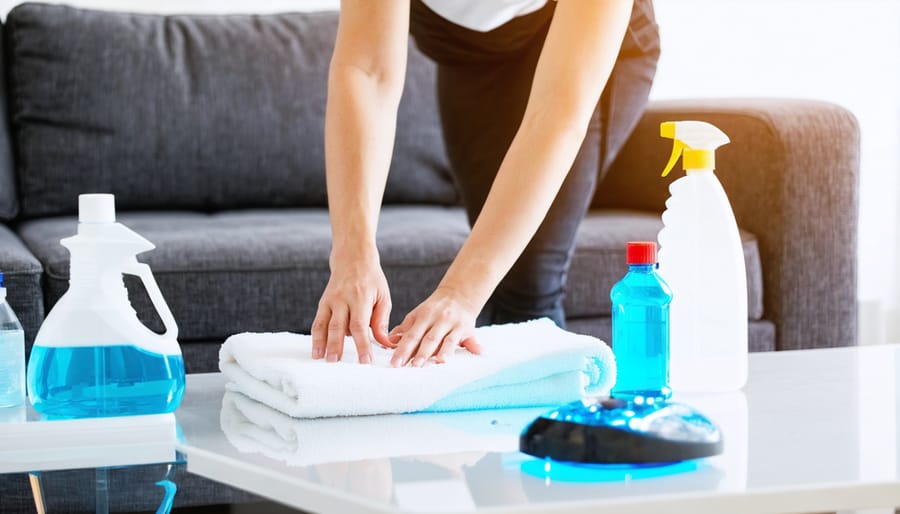
Remove pet urine from upholstery quickly and effectively by blotting the area with clean white towels to absorb as much liquid as possible before it penetrates deeper into the fabric. Fresh stains require immediate enzymatic cleaner application, specifically formulated for pet accidents, to break down both odor-causing bacteria and protein-based stains. Professional-grade extraction methods, combined with specialized UV detection tools, locate and eliminate even old or hidden urine spots that conventional cleaning methods miss.
Pet accidents on furniture pose a unique challenge – not just for the visible stain, but for the lingering odors that can encourage repeat marking. Understanding the chemical composition of pet urine and its interaction with different upholstery materials ensures successful removal while preventing fabric damage. Whether dealing with fresh accidents or discovering old stains, proper technique and appropriate cleaning solutions make the difference between temporary cover-up and permanent elimination.
When dealing with pet urine on upholstery, your immediate response technique can make all the difference. Always blot the affected area – never rub. Rubbing pushes the urine deeper into the fabric fibers and can spread the stain across a larger surface area. Instead, use clean white cloths or paper towels to gently press down and lift, absorbing as much liquid as possible.
Work from the outer edges of the wet area toward the center to prevent the urine from spreading further. Continue blotting with fresh, dry cloths until no more moisture transfers to the cloth. This methodical approach helps contain the damage and makes subsequent cleaning steps more effective. For older or set-in stains, the same principle applies – blot any cleaning solutions you apply rather than scrubbing, which can damage fabric fibers and create worn patches in your upholstery.

For immediate response to pet urine on upholstery, gather these essential supplies before beginning the cleaning process:
– Clean white cloths or paper towels for blotting
– Enzymatic pet stain cleaner specifically formulated for urine
– Spray bottle filled with clean water
– White vinegar
– Baking soda
– Rubber gloves
– UV blacklight (helps locate old or hidden stains)
– Small soft-bristled brush
– Clean empty bucket
– Plastic sheet or tarp to protect flooring
Keep these supplies easily accessible, ideally in a dedicated cleaning caddy, for quick response to accidents. The sooner you address pet urine stains, the better your chances of complete removal. Having these items ready will help prevent permanent damage to your upholstery and eliminate lingering odors effectively.
Remember to test any cleaning solution on a hidden area first to ensure colorfastness and prevent fabric damage.

When dealing with pet urine stains, you have two main options: natural cleaning solutions and commercial cleaners. Natural options like white vinegar, baking soda, and enzymatic cleaners offer eco-friendly alternatives that are generally safe for most fabrics. These solutions are cost-effective and readily available in most homes, though they may require multiple applications for stubborn stains.
Commercial cleaners, specifically formulated for pet urine, often contain stronger active ingredients that break down both stains and odors more quickly. While typically more expensive, these products usually provide faster results and come with detailed instructions for different fabric types. However, some may contain harsh chemicals that could potentially damage delicate upholstery or cause color fading.
For optimal results, we recommend starting with natural solutions on fresh stains and reserving commercial products for older, set-in problems. Always test any cleaning solution on a hidden area first, regardless of whether you choose natural or commercial options. This approach ensures both effective cleaning and fabric protection while maintaining your furniture’s integrity.
Different upholstery materials require specific cleaning approaches to effectively remove pet urine while preventing damage. Here’s how to treat the most common fabrics:
For natural fibers like cotton and linen, start with a gentle blotting action using white paper towels. Mix one part white vinegar with two parts warm water, and apply this solution sparingly. These materials are more delicate, so proper upholstery care is essential to prevent water marks.
Synthetic fabrics such as polyester and nylon are more resilient. Use an enzymatic cleaner specifically designed for pet stains, working it gently into the fabric with a soft brush. These materials typically dry faster and are less prone to water damage.
For delicate materials like silk or velvet, avoid DIY solutions altogether. These fabrics require professional cleaning to prevent color bleeding, shrinkage, or texture changes. Always test any cleaning solution on a hidden area first.
Leather and vinyl need special attention. Wipe the area with a leather-specific cleaner, then condition the material to prevent drying or cracking. Never use harsh chemicals or excessive water on leather surfaces.
Microfiber furniture requires alcohol-based cleaners or specialized microfiber cleaning products. Use a white cloth to prevent color transfer, and always brush the fabric post-cleaning to restore its texture.
Enzymatic cleaners are specifically formulated to break down the proteins, ammonia, and bacteria present in pet urine, making them highly effective for deep-cleaning upholstery. These specialized solutions contain beneficial bacteria that produce enzymes, which effectively “eat” the organic matter causing both stains and odors.
For proper application, first blot the area thoroughly to remove as much liquid as possible. Apply the enzymatic cleaner generously, ensuring it penetrates as deeply as the original stain to reach all affected areas. The key is to completely saturate the area, allowing the solution to work its way through all layers of the fabric.
Let the enzymatic cleaner dwell for at least 15 minutes – though longer treatment times of several hours often yield better results. Keep the area moist during this period, as the enzymes only work in damp conditions. For stubborn or set-in stains, you may need to repeat the process several times.
Avoid using other cleaning products before or during enzymatic treatment, as these can interfere with the enzyme action and reduce effectiveness. Also, keep pets away from the treated area until completely dry.

To prevent future pet accidents and protect your upholstery, consider implementing multiple layers of protection. Start by using waterproof furniture covers or specially designed pet throws that can be easily removed and washed. These protective barriers act as your first line of defense against unexpected accidents.
Training your pet is essential for long-term success. Establish consistent bathroom routines and consider working with a professional pet trainer if accidents persist. Many pet owners find success using deterrent sprays that contain pet-safe ingredients that discourage marking behavior.
For additional protection, apply a fabric protector specifically designed for upholstery. These treatments create an invisible barrier that repels liquids and makes cleaning easier when accidents occur. Reapply the protector every 6-12 months for optimal results.
Consider placing pet beds or designated resting areas near furniture to redirect your pet’s attention. Keep cleaning supplies readily available for quick response to accidents, as immediate action is crucial for preventing permanent damage. Regular professional upholstery cleaning can also help maintain your furniture’s protective barriers while removing any lingering odors that might attract pets back to the same spot.
While many pet urine stains can be addressed with DIY methods, certain situations call for professional intervention. If you notice persistent odors despite multiple cleaning attempts, or if the urine has penetrated deep into the furniture’s padding, it’s time to consider professional stain removal techniques.
Key indicators that warrant professional help include:
– Discoloration that worsens after cleaning attempts
– Multiple layers of old stains that have set in
– Visible water rings from previous cleaning efforts
– Compromised fabric texture or deterioration
– Health concerns from mold growth due to moisture
Professional upholstery cleaners bring specialized equipment and commercial-grade solutions that can effectively neutralize both stains and odors. They use moisture-controlled cleaning methods that prevent water damage while reaching deep into the fabric and padding.
When hiring a professional, expect them to:
– Conduct a thorough inspection of the affected area
– Test the fabric for colorfastness
– Use UV detection lights to identify all affected areas
– Apply enzyme-based cleaners specifically formulated for pet urine
– Implement proper drying techniques to prevent mold
– Provide protective treatments to guard against future incidents
The cost typically ranges from $100-300 depending on the severity of the damage and size of the affected area. While this may seem significant, professional treatment can extend your furniture’s life and prevent the need for premature replacement, making it a worthwhile investment for severe cases.
Addressing pet urine stains promptly and properly is crucial for maintaining the integrity and appearance of your upholstery. By following the steps outlined in this guide – from immediate blotting to thorough cleaning and neutralizing – you can effectively remove both stains and odors while protecting your furniture investment. Remember that time is of the essence; the longer urine sits in fabric, the more difficult it becomes to remove and the greater the risk of permanent damage.
Professional-grade enzymatic cleaners have proven most effective for breaking down pet urine compounds, while proper technique ensures the solution reaches all affected areas without spreading the stain. If you’re unsure about tackling the problem yourself or dealing with severe or repeated staining, don’t hesitate to seek professional assistance. Regular maintenance and quick response to accidents will help preserve your furniture’s appearance and extend its lifespan.
For particularly stubborn stains or delicate fabrics, professional restoration services can provide specialized treatments that safely and effectively restore your upholstery to its original condition. With proper care and attention, pet accidents don’t have to mean permanent damage to your valuable furniture.