
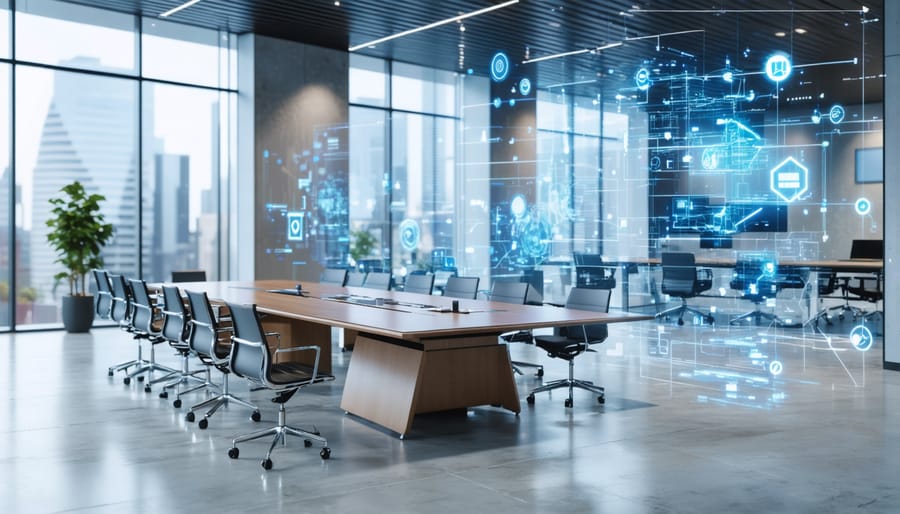
Transform commercial spaces into intelligent work environments through the digital transformation of commercial furniture. Modern commercial furniture has evolved beyond aesthetics, integrating IoT sensors, adaptive ergonomics, and real-time usage analytics to revolutionize workplace efficiency. Today’s smart furniture solutions combine sleek design with cutting-edge technology, enabling businesses to optimize space utilization, enhance employee wellness, and reduce operational costs. From power-integrated conference tables that facilitate seamless collaboration to sensor-equipped workstations that track occupancy patterns, the fusion of technology and furniture design is reshaping how organizations approach workplace management. This evolution represents a critical investment for forward-thinking businesses seeking to create adaptive, future-ready environments that attract talent and drive productivity. As commercial spaces continue to adapt to changing work patterns, smart furniture solutions offer the flexibility and intelligence needed to support modern workplace strategies while maintaining the sophistication expected in professional environments.
Modern office furniture has evolved beyond mere functionality, incorporating smart technology to enhance workplace efficiency and employee comfort. Connected furniture systems now feature built-in sensors that monitor occupancy, usage patterns, and environmental conditions. These IoT-enabled solutions help optimize space utilization while providing valuable data for facility management decisions.
Smart desks and chairs can now track sitting time, remind users to take breaks, and automatically adjust height settings for different employees. Conference tables equipped with wireless charging and integrated booking systems streamline meeting management, while smart storage units monitor inventory levels and security access.
The benefits of IoT integration extend to energy efficiency, with smart lighting systems that automatically adjust based on natural light and occupancy. Temperature-controlled furniture elements help maintain optimal workplace comfort, while connected asset tracking ensures efficient maintenance scheduling and reduces replacement costs.
For facility managers, these smart furniture solutions provide real-time analytics through user-friendly dashboards, enabling data-driven decisions about space optimization and resource allocation. As workplace needs continue to evolve, IoT-integrated furniture offers the flexibility and intelligence needed for the modern office environment.

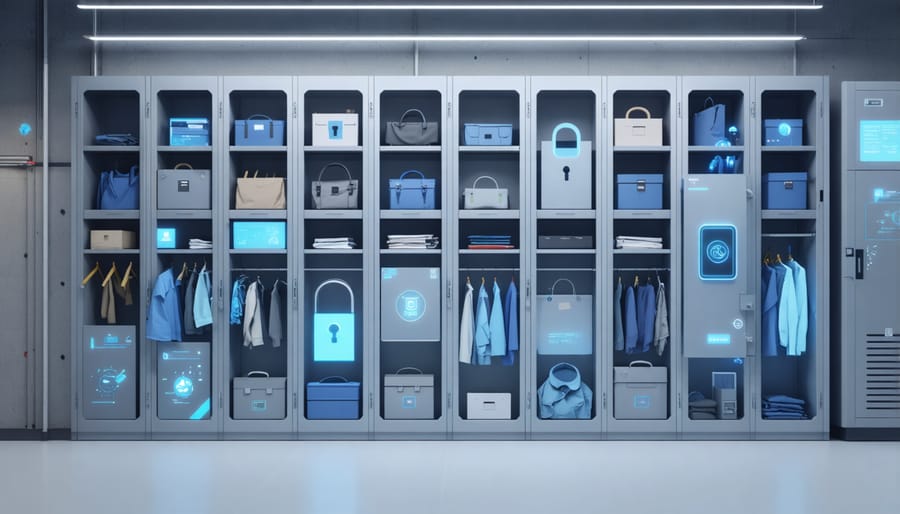
Modern commercial spaces demand intelligent storage solutions that maximize efficiency while minimizing footprint. Today’s technology-enhanced storage systems combine traditional organizational principles with smart features like RFID tracking, automated inventory management, and cloud-based monitoring.
Mobile storage units with built-in sensors now track item locations in real-time, while smart shelving systems automatically update inventory counts as items are removed or restocked. These innovations significantly reduce time spent on manual inventory checks and minimize human error.
For retail environments, smart storage solutions often include temperature and humidity monitoring for sensitive merchandise, while office spaces benefit from modular systems that adapt to changing needs. Motion-activated lighting within storage units reduces energy consumption, while smart locks provide secure access control and usage tracking.
Cloud-based management platforms integrate seamlessly with these physical solutions, offering real-time analytics, predictive maintenance alerts, and optimization recommendations. This data-driven approach helps businesses make informed decisions about space utilization and inventory management.
The return on investment for smart storage solutions typically manifests through reduced labor costs, improved accuracy, and enhanced space efficiency – crucial factors in today’s competitive commercial environment.
Modern commercial furniture has evolved beyond mere functionality, incorporating sophisticated power integration solutions that meet the demands of today’s tech-savvy workforce. From conference tables with hidden charging ports to lounge seating with built-in power outlets, these smart additions transform ordinary spaces into productive work environments.
Leading manufacturers now offer furniture pieces with wireless charging pads seamlessly embedded into work surfaces, eliminating cable clutter while keeping devices powered throughout the day. USB-C ports and traditional power outlets are strategically positioned in modular workstations, ensuring easy access without compromising aesthetics.
The latest advancement in commercial furniture power systems includes smart power management features that monitor usage patterns and optimize energy consumption. These systems can be controlled through mobile apps or integrated building management systems, allowing facility managers to track usage data and implement energy-saving protocols.
For collaborative spaces, pop-up power modules can be elegantly concealed within table surfaces, appearing only when needed. This design approach maintains clean lines while providing essential connectivity options for impromptu meetings and flexible workspaces.
When selecting powered furniture pieces, consider future technological requirements and ensure compatibility with emerging charging standards. Many manufacturers now offer upgrade paths and modular components that can be easily updated as technology evolves, protecting your investment for years to come.
Modern commercial furniture has evolved to meet the growing demands of our connected workplace environments. Today’s office furniture seamlessly integrates both wireless and wired connectivity options, ensuring employees stay productive and engaged throughout their workday.
Power integration is perhaps the most fundamental connectivity feature, with furniture pieces incorporating built-in power outlets, USB ports, and wireless charging pads. Conference tables and collaborative workstations often feature pop-up power modules that maintain a clean aesthetic while providing easy access to power sources.
Wireless connectivity options have become increasingly sophisticated, with furniture incorporating Bluetooth-enabled features that allow for seamless device pairing. Smart lounge seating can now include built-in speakers and charging capabilities, while meeting pods may feature automated lighting and climate control systems that can be managed through mobile apps.
Cable management solutions have also seen significant improvements, with dedicated channels and concealed pathways keeping wires organized and out of sight. This not only creates a cleaner look but also reduces tripping hazards and extends the lifespan of cables and connections.
For maximum flexibility, many furniture pieces now feature modular connectivity systems that can be easily upgraded or reconfigured as technology evolves. This future-proof approach ensures that your investment in modern commercial furniture continues to serve your organization’s needs as technology advances.
Professional installation of modern commercial furniture requires careful planning and execution to ensure optimal functionality and longevity. Start by thoroughly reviewing the manufacturer’s guidelines and space requirements before any assembly begins. Create a detailed installation timeline that accounts for delivery, assembly, and testing phases while minimizing disruption to daily operations.
Always work with certified installers who understand commercial-grade furniture specifications and safety requirements. These professionals should be well-versed in local building codes and ADA compliance standards. Before installation day, ensure all necessary tools and equipment are on-site, and verify that power sources and data connections are properly positioned for tech-integrated furniture pieces.
Protection of both the furniture and the facility is crucial during installation. Use appropriate moving equipment, floor protection materials, and temporary barriers to prevent damage. For modular systems, begin with a thorough layout verification, followed by systematic assembly starting from anchor points and working outward.
Post-installation, conduct a comprehensive quality check including stability testing, alignment verification, and functionality assessment of all moving parts and integrated technology. Document the installation with photos and detailed notes, and provide staff training on proper furniture use and maintenance. This ensures maximum value and longevity of your modern commercial furniture investment.
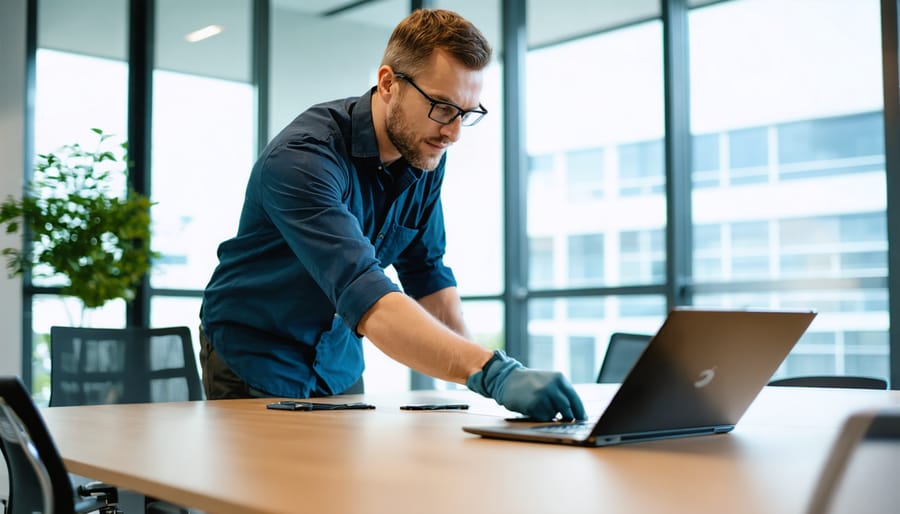
Regular maintenance is crucial for ensuring the longevity and optimal performance of modern commercial furniture systems. Maintaining smart furniture systems requires a systematic approach that combines routine inspections with preventive care.
Start by establishing a quarterly maintenance schedule that includes checking all electronic components, testing connectivity features, and updating software systems. Clean sensors and touchpoints regularly using manufacturer-approved methods to prevent dirt buildup that could interfere with functionality. Pay special attention to high-traffic areas where smart furniture experiences the most use.
Keep detailed records of all maintenance activities, including dates, procedures performed, and any issues encountered. This documentation helps track patterns and anticipate potential problems before they affect operations. Subscribe to manufacturer newsletters and updates to stay informed about the latest firmware releases and security patches.
Consider implementing a monitoring system that alerts facility managers to potential issues before they become critical. Train staff members on basic troubleshooting procedures and establish clear protocols for when to contact professional maintenance services. Regular maintenance not only extends the life of your smart furniture investment but also ensures consistent performance and user satisfaction.
In today’s rapidly evolving commercial landscape, future-proofing your workspace goes beyond selecting durable materials and timeless designs. The integration of technology into commercial furniture has become a crucial consideration for long-term success. By implementing smart furniture management solutions, businesses can create adaptable spaces that meet both current and future needs.
Consider incorporating modular furniture systems with built-in power and data connectivity options. These pieces can be easily reconfigured as your team’s needs change, while maintaining seamless access to essential technology. Look for furniture that includes wireless charging capabilities, USB ports, and cable management systems that can be upgraded as technology advances.
Another key aspect is selecting furniture with IoT (Internet of Things) compatibility. This allows for integration with building management systems, occupancy sensors, and environmental controls. Smart desks and seating can collect usage data, helping optimize space utilization and improve employee comfort while reducing energy consumption.
When planning your commercial space, leave room for future technological additions. This might include extra power outlets, data ports, or space for yet-to-be-developed technologies. Consider furniture pieces with removable panels or modular components that can be upgraded without replacing entire units.
Remember to partner with manufacturers who demonstrate a commitment to innovation and offer upgrade paths for their products. This ensures your investment remains valuable as technology continues to evolve. By taking these steps today, you’ll create a flexible, technology-ready environment that can adapt to tomorrow’s workplace demands while maintaining its modern aesthetic and functionality.
The integration of technology in commercial furniture has revolutionized the modern workplace, creating environments that are not only aesthetically pleasing but also highly functional and efficient. Smart furniture solutions have proven to enhance employee productivity, improve space utilization, and contribute to significant cost savings in facility management. From IoT-enabled desks that track occupancy to ergonomic chairs with built-in sensors for posture correction, these technological advancements are becoming increasingly essential for businesses staying competitive in today’s digital age.
The data collected through integrated furniture systems provides valuable insights for space optimization and employee wellness programs, while automated adjustments and personalized settings ensure maximum comfort and efficiency. Looking ahead, the continued evolution of smart furniture technology promises even more innovative solutions, from AI-powered workspace management to sustainable energy-saving features.
For businesses considering modernization, investing in technology-integrated furniture is no longer a luxury but a strategic necessity. The initial investment is often offset by improved operational efficiency, reduced maintenance costs, and increased employee satisfaction. As we move forward, the seamless blend of technology and furniture will continue to shape the future of commercial spaces, creating smarter, more responsive, and more sustainable work environments.