
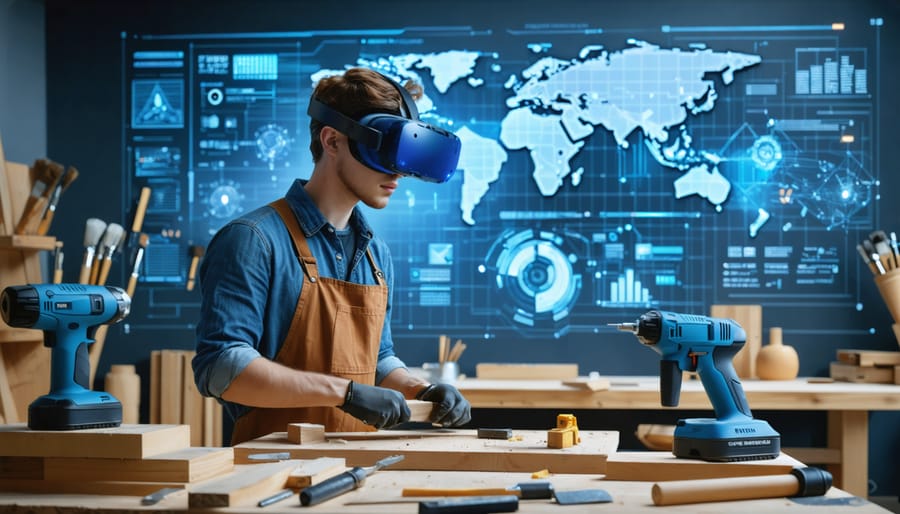
Transform worn-out furniture into stunning pieces with professional-grade restoration tools that blend traditional craftsmanship with modern innovation. Whether reviving a cherished family heirloom or launching a restoration business through comprehensive furniture restoration training, the right tools make all the difference. From precision sanders and specialized chisels to advanced wood fillers and eco-friendly finishing products, today’s restoration experts have access to an unprecedented array of solutions. This guide explores essential tools that combine time-tested techniques with cutting-edge technology, helping both beginners and seasoned professionals achieve museum-quality results. Master these tools to unlock the full potential of every restoration project, preserve historical value, and create lasting beauty that stands the test of time.
Virtual reality has revolutionized the way furniture restoration techniques are taught and learned. Modern VR platforms offer incredibly detailed, hands-on demonstrations that allow students to practice complex restoration procedures in a risk-free environment. These interactive tools provide 360-degree views of furniture pieces, enabling learners to examine damage patterns and practice restoration techniques from every angle.
Through VR headsets, users can participate in step-by-step guided sessions that demonstrate essential skills like wood finishing, upholstery repair, and antique preservation. The technology offers realistic haptic feedback, simulating the feel of different materials and tools, making the learning experience remarkably authentic.
What sets these demonstrations apart is their ability to slow down complex processes and provide instant feedback. Learners can pause, rewind, and repeat challenging steps until they master them. The systems often include progressive difficulty levels, starting with basic repairs and advancing to more intricate restoration projects.
Many platforms now feature multiplayer capabilities, allowing instructors to guide students remotely while demonstrating techniques in real-time. This has proven particularly valuable for distance learning and professional development programs. The software typically includes detailed analytics that track progress and identify areas where additional practice may be needed.
These VR tools have shown impressive results, with students reporting higher confidence levels and better retention of restoration techniques compared to traditional learning methods.
Virtual practice environments have revolutionized furniture restoration training by offering risk-free spaces to experiment with techniques and build confidence. Advanced simulation platforms like VR Restore Pro and FurnitureCraft Simulator allow enthusiasts to practice intricate restoration processes without the fear of damaging valuable pieces or wasting expensive materials.
These digital environments recreate common restoration scenarios, from basic wood refinishing to complex upholstery repair. Users can practice techniques like stripping, sanding, and staining on virtual pieces while receiving real-time feedback on their technique and pressure application. The platforms often include detailed tutorials and step-by-step guides that users can pause, rewind, and repeat until they master each skill.
Many professional restoration schools now incorporate these tools into their curriculum, enabling students to practice extensively before working on actual pieces. The simulators track progress, identify areas for improvement, and even offer certification modules for specific restoration techniques.
Mobile applications complement these platforms by providing pocket-sized practice opportunities. Apps like RestoreVision AR use augmented reality to overlay restoration techniques onto real furniture pieces, helping users visualize potential outcomes before beginning actual work.
For beginners, these virtual environments offer a cost-effective way to build foundational skills and experiment with different restoration approaches, while experienced professionals use them to refine advanced techniques or test new methods before applying them to valuable antiques.

Modern 3D scanning technology has revolutionized the way restoration professionals document and preserve furniture pieces. Using handheld scanners or smartphone-based applications, craftsmen can create detailed digital models that complement their essential restoration tools. These scans serve multiple purposes, from precise measurements and pattern matching to creating detailed documentation for insurance purposes.
Popular scanning tools like the Artec Leo and Structure Sensor provide submillimeter accuracy, capturing intricate details of carved elements, joint construction, and surface textures. This technology proves particularly valuable when working with antique pieces that require exact replicas of damaged components or when creating detailed restoration plans.
For more budget-conscious restorers, smartphone apps like Scandy Pro or Qlone offer surprisingly accurate results. These applications use photogrammetry techniques to create 3D models from multiple photographs, making the technology accessible to hobbyists and small workshop owners.
The digital models created through 3D scanning can be archived for future reference, shared with clients for approval, or used to create replacement parts using modern fabrication methods like 3D printing or CNC machining.
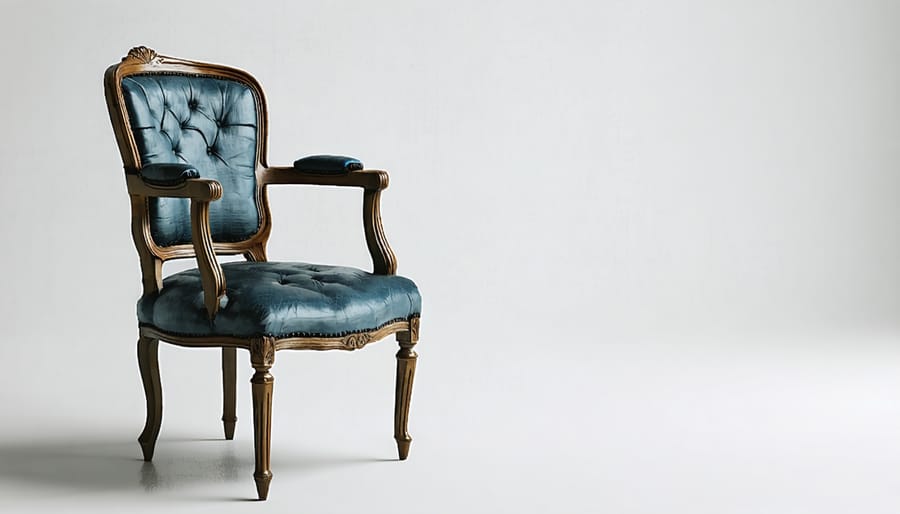
Modern furniture restoration benefits greatly from digital progress tracking software, enabling craftspeople to document every step of their projects with precision and professionalism. Apps like Restoration Logger and Project Timeline Pro allow restorers to capture detailed before, during, and after photos while maintaining comprehensive notes about techniques, materials, and time invested.
These digital tools often include features specifically designed for furniture restoration, such as condition assessment checklists, material inventory tracking, and customizable project milestones. Many apps also offer cloud storage capabilities, ensuring that project documentation is safely backed up and easily accessible across multiple devices.
For professional restorers, these applications can generate detailed client reports, complete with photo documentation and restoration notes. This level of documentation not only helps maintain quality control but also serves as valuable reference material for future projects. Some apps even include collaborative features, allowing team members to share insights and techniques in real-time.
Popular options like RestoreTracker and FurniturePro include built-in templates for common restoration processes, making it easier to standardize documentation practices while maintaining flexibility for unique project requirements.
Creating a digital portfolio is essential for documenting and showcasing your furniture restoration projects professionally. Start by capturing high-quality before, during, and after photos using proper lighting and multiple angles. These images serve as powerful testimony to your craftsmanship and attention to detail.
Consider using portfolio platforms like Behance or ArtStation, which offer free accounts and professional templates specifically designed for craftspeople. These platforms allow you to organize your work into collections, add detailed project descriptions, and share your restoration process steps.
Document your techniques through short video clips that demonstrate specific restoration skills. These can be compiled into a comprehensive visual library using platforms like YouTube or Vimeo. Include close-up shots of repairs, finishing techniques, and the final results.
Maintain a blog or website where you can share detailed case studies of challenging restorations. This helps potential clients understand your problem-solving abilities and expertise. Include information about the materials used, time invested, and any unique challenges overcome during each project.
Remember to regularly update your portfolio with new projects and maintain consistency in your presentation style. This creates a professional image and helps build trust with potential clients.
Video-based learning has revolutionized the way furniture restoration techniques are taught and learned. These structured modules offer step-by-step guidance for mastering beginner restoration skills through engaging visual content.
Popular platforms like Udemy and Skillshare host comprehensive courses created by experienced craftspeople, covering everything from wood repair to upholstery techniques. These courses typically include detailed video demonstrations, downloadable resources, and progress assessments to ensure thorough understanding.
Interactive elements such as pause-and-practice segments allow learners to work at their own pace, while split-screen demonstrations show both close-up detail work and wider perspective shots. Many courses also feature Q&A sections where students can interact with instructors and fellow restoration enthusiasts.
For hands-on practice, numerous YouTube channels offer free supplementary content focusing on specific restoration challenges. These videos often showcase real-world projects, complete with troubleshooting tips and alternative approaches for different scenarios.
What sets quality video modules apart is their systematic approach to skill building. Starting with fundamental techniques, they progressively advance to more complex restoration projects. Many include virtual workshops where students can submit their work for expert feedback, creating a collaborative learning environment that bridges the gap between online education and practical application.
In today’s digital age, remote mentoring platforms have revolutionized how furniture restoration expertise is shared and accessed. These platforms connect novice restorers with seasoned professionals through video conferencing, screen sharing, and real-time collaboration tools.
Popular platforms like Zoom and Microsoft Teams offer high-quality video capabilities that allow experts to observe restoration work in detail and provide immediate feedback. Many restoration specialists now offer virtual consultations, where they can guide you through specific techniques, troubleshoot problems, and demonstrate proper tool usage through their webcams.
Specialized restoration forums and online communities have also emerged, featuring video chat integration and project sharing capabilities. These platforms often include features like annotation tools, allowing mentors to draw directly on shared images to highlight areas needing attention or demonstrate specific techniques.
Mobile-friendly platforms enable on-the-spot guidance when working in the workshop. Through your smartphone or tablet, you can show experts specific issues in real-time, receiving immediate advice on solutions and techniques. Some platforms even offer augmented reality features, allowing mentors to overlay instruction guides directly onto your work surface.
Recording capabilities within these platforms prove invaluable for future reference. Students can review sessions later, creating a personal library of expert guidance and techniques. Many platforms also facilitate group learning environments, where multiple restoration enthusiasts can learn simultaneously from expert demonstrations and discussions.
In today’s digital age, mobile applications have become invaluable resources for furniture restoration enthusiasts and professionals alike. These reference libraries put extensive knowledge at your fingertips, offering instant access to professional restoration techniques and material specifications.
Popular apps like Wood Expert and Furniture Restore Pro provide comprehensive databases of wood types, finishes, and period-specific restoration methods. These digital companions offer step-by-step guides, complete with high-resolution images and video tutorials, making complex restoration processes more approachable for beginners and seasoned craftspeople.
The Restoration Guide app features an extensive collection of reference materials, including detailed catalogs of historical furniture styles, traditional joinery methods, and authentic finishing techniques. Users can access information about period-appropriate hardware, upholstery materials, and color matching guides, ensuring historically accurate restorations.
Many of these apps also include interactive features like project planning tools, material calculators, and community forums where restorers can share insights and seek advice. Some even offer augmented reality features that help visualize how different finishes might look on your piece before you begin the restoration process.
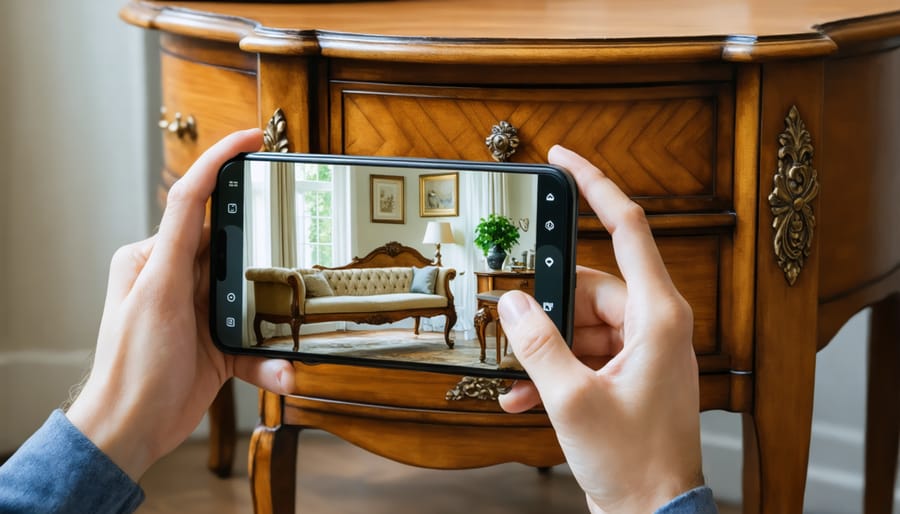
Augmented Reality (AR) has revolutionized the way furniture restoration experts approach their craft, offering real-time guidance and visualization tools right at their fingertips. Popular apps like Woodwork AR and Furniture Studio Pro allow restorers to overlay digital information onto physical pieces, helping identify wood types, grain patterns, and optimal restoration techniques.
These AR tools prove particularly valuable when matching finishes and colors. Apps such as ColorSnap and Wood Matcher use your smartphone’s camera to analyze existing finishes and recommend matching products with remarkable accuracy. Some applications even provide step-by-step restoration guides that appear as 3D overlays on your workpiece, ensuring precise execution of complex repairs.
For intricate carving work, AR applications like DetailCraft offer virtual stenciling, projecting pattern guides directly onto the furniture surface. This technology is especially helpful when recreating missing ornamental details or ensuring symmetrical repairs on antique pieces.
Many of these tools include built-in measurement features, allowing restorers to precisely calculate dimensions and proportions without traditional measuring tools. Some advanced AR platforms even simulate how different restoration techniques might affect the final outcome, helping craftspeople make informed decisions before beginning their work.
Recent updates to AR restoration apps have introduced collaborative features, enabling real-time consultation with expert restorers remotely, making professional guidance more accessible than ever.
The integration of digital tools in furniture restoration education has revolutionized how knowledge is shared and skills are developed in this traditional craft. Virtual reality simulations and augmented reality applications have made it possible for students to practice complex restoration techniques without risking valuable pieces, while online learning platforms have democratized access to expert knowledge.
Looking ahead, we can expect to see even more sophisticated digital solutions emerging. Artificial intelligence-powered tools may soon offer real-time guidance during restoration projects, while 3D scanning and printing capabilities will continue to evolve, making it easier to recreate missing or damaged components with unprecedented accuracy.
The mobile revolution has brought professional-grade resources directly to practitioners’ fingertips, from wood identification apps to finish matching tools. These developments have not only enhanced the learning experience but have also raised the standard of restoration work across the industry.
However, it’s important to remember that digital tools are meant to complement, not replace, hands-on experience. The future of furniture restoration education lies in finding the right balance between traditional craftsmanship and technological innovation. As these tools become more refined and accessible, we can expect to see a new generation of restorers who are equally comfortable with both digital interfaces and traditional hand tools, ensuring the preservation of this valuable craft for years to come.