

Restore your furniture’s beauty without breaking the bank by understanding typical upholstery repair costs – ranging from $200 to $2,000 depending on damage severity and fabric choice. Minor repairs like patching small tears average $150-300, while complete reupholstering of a sofa can reach $2,500. Working with professional upholstery repair services ensures quality restoration, though costs vary based on fabric quality, furniture size, and required labor hours. Factor in material costs ($30-$60 per yard for basic fabrics, $70-$150+ for premium options), labor rates ($50-$100 per hour), and project complexity when budgeting. Understanding these cost components helps homeowners make informed decisions about furniture repair versus replacement, potentially saving thousands while preserving cherished pieces.
The cost of repairing tears and rips in upholstery varies significantly based on the material type and damage extent. Small tears in basic fabric typically range from $75 to $150, while larger rips can cost between $200 and $400. Premium fabrics like silk or designer materials may increase repair costs by 30-50%. For leather furniture, specialized leather repair techniques generally start at $175 for minor tears and can exceed $500 for extensive damage.
The location of the tear also impacts pricing – repairs on visible areas like seat cushions typically cost more than hidden spots. Matching fabric patterns or leather grain adds complexity and cost to the repair. Some materials, such as microfiber and vinyl, are generally less expensive to fix, with repairs starting around $100. Most professional upholsterers include patch materials and labor in their quoted price, though specialty fabrics may incur additional charges.
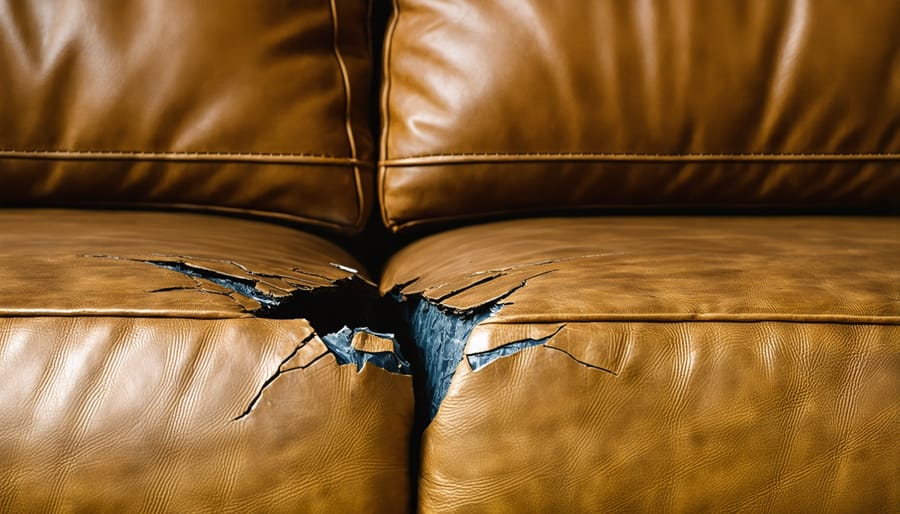
Structural repairs involving springs, webbing, and support systems typically range from $200 to $800, depending on the extent of damage and type of furniture. Basic spring replacement starts at around $40-$60 per spring, while complete spring system overhauls can cost $300-$500. Webbing replacement, essential for seat support, averages $150-$250 for a standard sofa.
Frame repairs, which often accompany spring issues, can add $100-$300 to the total cost. For antique pieces requiring specialized spring systems or custom-made support components, prices may increase by 30-50%. Most professional upholsterers include a warranty on structural repairs, typically covering 1-3 years of normal use.
To prevent costly repairs, regular inspection of your furniture’s support system is recommended. Warning signs include sagging seats, squeaking sounds when sitting, or visible frame damage. Some repairs might qualify for insurance coverage, particularly if damage resulted from accidents or natural disasters.
Repadding and cushion work typically ranges from $200 to $600 per piece, depending on the size and quality of materials used. Basic foam replacement for a standard sofa cushion costs between $50 to $150 per cushion, while high-density foam options can reach $200 or more. Custom-cut memory foam or premium materials may increase costs by 30-50%.
Labor charges for cushion reconstruction average $75 to $125 per hour, with most projects requiring 2-3 hours of work. Additional costs may include wrapping materials ($20-40 per cushion) and new cushion covers ($100-300 each). For dining chairs, expect to pay $40-80 per seat for basic foam replacement.
Many upholstery professionals recommend replacing all cushions simultaneously to ensure consistent comfort and wear patterns, which can provide better long-term value despite the higher initial investment. Some shops offer bulk discounts when refurbishing multiple pieces simultaneously.

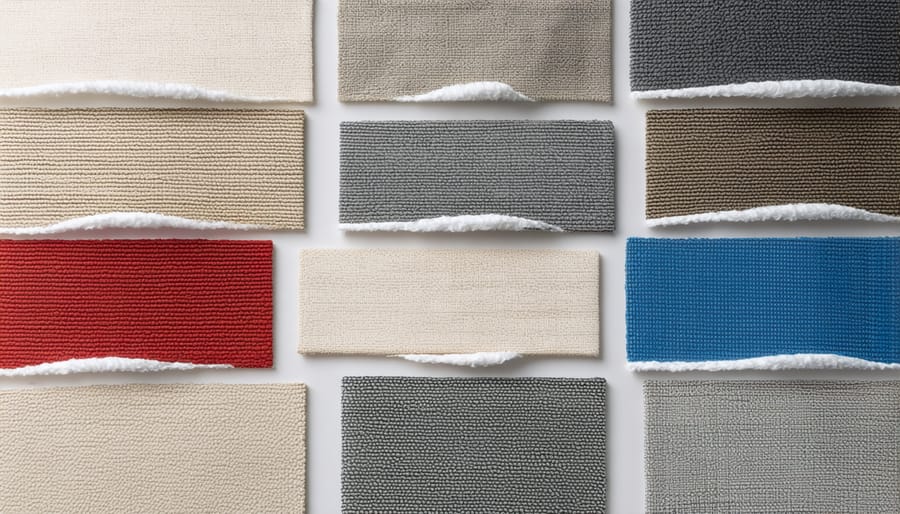
The type and quality of your furniture’s fabric significantly impact repair costs. High-end materials like leather, silk, or designer fabrics typically command premium repair prices due to their delicate nature and the specialized skills required to work with them. For instance, leather repair can cost 30-50% more than standard upholstery fabric repairs because it requires specific tools and expertise.
Natural fibers such as cotton, linen, and wool fall into a mid-range price category. These materials are generally easier to work with but may require careful matching of patterns and textures. Synthetic fabrics like polyester, nylon, and microfiber are usually the most cost-effective to repair, as they’re durable and widely available.
The fabric’s age and condition also play crucial roles in determining repair costs. Vintage or antique materials often need special handling and may require sourcing period-appropriate replacement materials. Similarly, heavily damaged or worn fabrics might need complete replacement rather than repair, which can increase overall costs. When choosing replacement fabric, consider durability and maintenance requirements to ensure long-term value for your investment.
The size and complexity of your furniture play a significant role in determining repair costs. Larger pieces like sectional sofas or oversized recliners typically require more materials and labor hours, increasing the overall expense. A small dining chair might cost $150-300 to reupholster, while a full-sized sofa could range from $800-2,000.
Intricate designs and special features also impact pricing. Furniture with tufting, welting, or decorative nailhead trim demands more skill and time to repair properly. Period pieces or antiques with complex patterns may require pattern matching and specialized techniques, which can increase labor costs by 20-30%.
Additional factors include multiple cushions, specialized mechanisms (like those in recliners), and curved or unusual shapes. For example, a wingback chair with curved arms and deep button tufting will cost more to repair than a simple straight-backed dining chair, even if they’re similar in size. Understanding these elements helps explain why seemingly similar pieces might have different repair quotes.
The location where you choose to have your upholstery repairs done significantly impacts the final cost. In-shop repairs typically cost 20-30% less than on-site services, as furniture repair shops have all necessary tools and equipment readily available and can work on multiple projects simultaneously. However, this option requires you to transport your furniture to and from the shop, which can be challenging for large or delicate pieces.
On-site repairs, while more expensive, offer considerable convenience. Professional upholsterers bring their tools and materials to your location, eliminating transportation concerns and allowing you to maintain oversight of the work. This service is particularly valuable for built-in furniture, oversized pieces, or items that are difficult to move. Commercial properties often prefer on-site services to minimize disruption to their operations.
Some repair services offer both options and may provide free pickup and delivery for in-shop repairs, which can help offset the cost difference between the two service types.
Timing is crucial when it comes to upholstery repairs, both for cost-effectiveness and preserving your furniture’s value. Small issues like loose threads or minor tears should be addressed immediately to prevent them from expanding into larger, more expensive problems. For instance, a small tear that might cost $50-$100 to fix could develop into extensive damage requiring complete reupholstering if left unattended.
However, there are times when waiting might be more strategic. If you’re planning to remodel your space or expecting lifestyle changes (such as children growing out of the messy phase), you might want to postpone major upholstery work. Similarly, if you’re considering selling your home or updating your furniture style, temporary fixes might be more practical than investing in comprehensive repairs.
The best time to schedule repairs is typically during off-peak seasons. Many upholstery professionals offer better rates during winter months or after major holidays when business tends to slow down. This timing can result in savings of 10-20% on your repair costs while ensuring you get the same quality workmanship.
Remember that preventive maintenance, like regular cleaning and prompt attention to minor damage, is always more cost-effective than waiting for major repairs.
To secure the best value for your upholstery repair investment, start by obtaining multiple quotes from reputable service providers. Look for businesses with positive customer reviews and ask to see their portfolio of previous work. While price is important, the cheapest option isn’t always the most cost-effective in the long run.
Consider timing your repairs strategically – many upholstery services offer seasonal discounts during slower periods, typically in late winter or early summer. Some providers may also offer package deals if you have multiple pieces needing attention.
For minor repairs, exploring DIY upholstery repair tips could save you money, but be honest about your skill level to avoid costly mistakes. When working with professionals, ask about fabric remnants or discontinued materials they may have in stock, as these can often be purchased at a discount.
Always ensure the service provider offers a warranty on their work and get all cost estimates in writing. Remember that investing in quality repairs from experienced professionals can extend your furniture’s life significantly, providing better value over time than temporary fixes from inexperienced workers.
Understanding upholstery repair costs doesn’t have to be overwhelming. As we’ve explored, prices typically range from $200 to $2,000, depending on various factors including fabric type, damage extent, and labor requirements. Remember that while DIY repairs might seem cost-effective initially, professional services often provide long-lasting results and protect your furniture investment.
When planning your upholstery repair project, consider getting multiple quotes from reputable professionals, and don’t hesitate to ask about financing options or seasonal discounts. Many repair services offer free consultations, which can help you better understand the scope of work and associated costs before making a decision.
Taking prompt action when you notice damage can prevent further deterioration and keep repair costs manageable. Regular maintenance and protective measures, such as fabric treatments and proper cleaning, can also extend the life of your upholstery and reduce the need for costly repairs in the future.
Ready to restore your furniture to its former glory? Contact a professional upholsterer today for an accurate assessment and quote. Your beloved pieces deserve expert care that will keep them beautiful and functional for years to come.