

Transform your furniture while protecting your health and the environment with low VOC paints – the cornerstone of safe furniture restoration practices. These innovative formulations contain minimal volatile organic compounds, dramatically reducing harmful emissions without compromising on quality or durability. Unlike traditional furniture paints that can release toxins for years after application, low VOC options provide professional-grade coverage while maintaining indoor air quality. Perfect for nurseries, living spaces, and commercial environments, these paints deliver superior adhesion and a smooth finish while meeting strict environmental standards. Whether you’re updating a cherished antique or refreshing modern pieces, low VOC furniture paint represents the future of responsible restoration – combining exceptional results with peace of mind.
VOC (Volatile Organic Compounds) levels in furniture paint are measured in grams per liter (g/L), with lower numbers indicating fewer harmful emissions. For reference, traditional oil-based paints typically contain 250-500 g/L of VOCs, while low-VOC options contain less than 50 g/L. Zero-VOC paints have less than 5 g/L, making them the safest choice for indoor furniture projects.
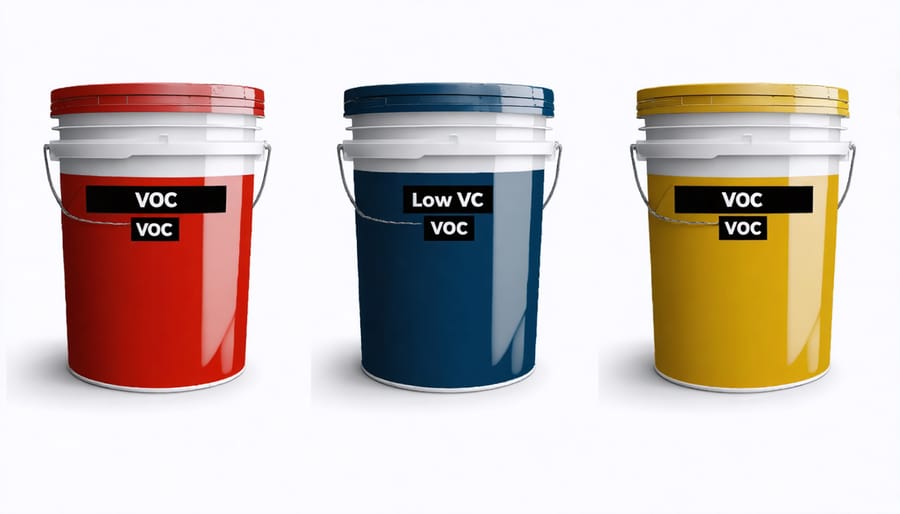
When selecting paint for your furniture, look for products labeled as “low VOC” or “zero VOC” on the container. Keep in mind that even zero-VOC base paints may have small amounts of VOCs added when tinted with colorants. For optimal air quality, choosing paints with VOC levels under 50 g/L provides an excellent balance between performance and safety.
Many leading manufacturers now print VOC content directly on their labels, making it easier for consumers to make informed decisions. This transparency helps ensure your furniture restoration project remains both beautiful and environmentally responsible.
Low VOC furniture paints offer significant advantages for both indoor air quality and environmental sustainability. Unlike traditional paints, these eco-friendly alternatives release minimal volatile organic compounds into the air, creating a healthier living environment for your family and pets. This is particularly important for individuals with respiratory conditions, allergies, or chemical sensitivities.
When using low VOC paints, you’ll notice reduced paint odors during and after application, making the painting process more pleasant. These paints also contribute to better long-term indoor air quality by continuing to emit fewer harmful chemicals throughout their lifetime.
From an environmental perspective, low VOC paints help reduce ground-level ozone formation and air pollution. They have a lower carbon footprint during manufacturing and produce less hazardous waste. Many low VOC formulations are also water-based, making cleanup easier and reducing the need for harsh chemical solvents. This makes them a responsible choice for both your home and the planet.
When choosing eco-friendly furniture finishes, understanding the differences between water-based and oil-based low VOC options is crucial for achieving the best results. Water-based formulas excel in quick drying times and easy cleanup, making them ideal for indoor projects and pieces that need rapid turnaround. They produce minimal odor and maintain color stability over time, perfect for lighter finishes and contemporary furniture styles.
Oil-based low VOC alternatives, while taking longer to dry, provide superior durability and a rich, deep finish that’s particularly suited for antique restoration. These paints offer better coverage and adhesion on previously oil-painted surfaces, though they require more careful ventilation during application.
For everyday furniture pieces like dining chairs and coffee tables, water-based options typically suffice. However, high-wear items such as kitchen cabinets and frequently used tabletops often benefit from oil-based formulas’ enhanced protection. Both types clean up well and maintain their appearance when properly applied, giving you flexibility in choosing the right solution for your specific project needs.
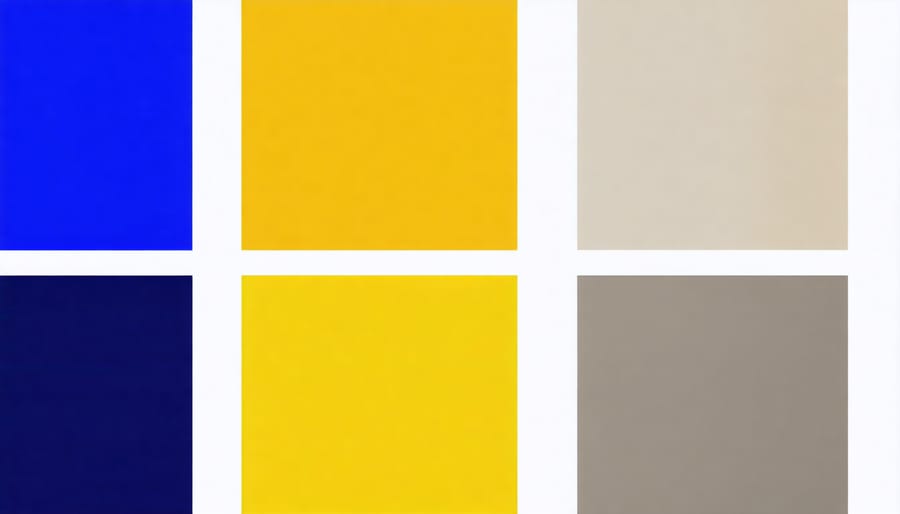
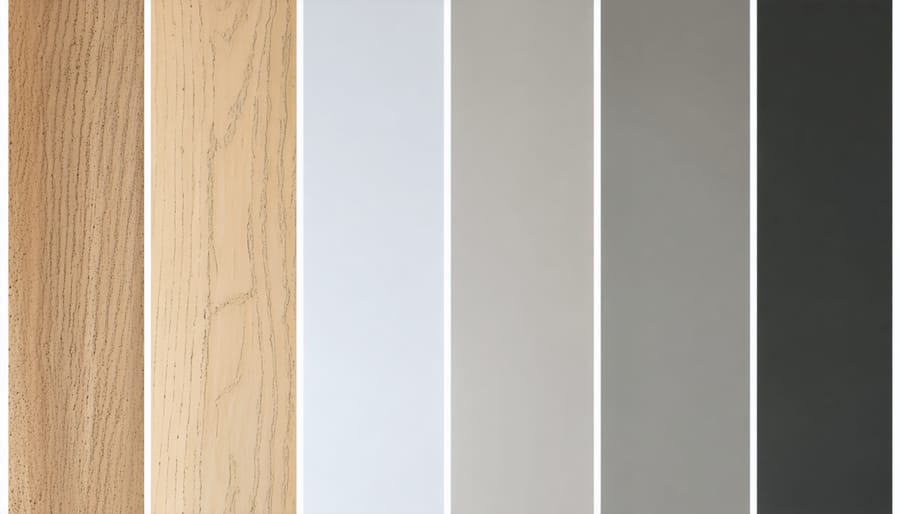
Low VOC furniture paints now come in an extensive range of colors and finishes that rival traditional paint options. From classic neutrals to bold statement hues, manufacturers offer comprehensive color palettes that can match virtually any design scheme. Popular finish options include matte, satin, semi-gloss, and high-gloss, each providing different levels of sheen and durability.
Many brands offer customizable color mixing services, allowing you to achieve the exact shade you desire while maintaining low VOC standards. Chalk-style finishes have become increasingly popular for furniture projects, offering excellent coverage and a sophisticated flat appearance that’s perfect for vintage and farmhouse-style pieces.
Metallic and pearlescent finishes are also available in low VOC formulations, adding elegant shimmer and depth to furniture pieces. These specialty finishes create stunning accent pieces while remaining environmentally conscious. Most manufacturers provide color cards and sample sizes, making it easier to test different options before committing to a larger quantity for your project.
For commercial applications, many brands offer color-matching services to maintain consistency across multiple pieces or match existing décor schemes.
Proper surface preparation is crucial for achieving a professional finish with low VOC furniture paint. Begin by thoroughly cleaning the furniture piece with a mild soap and water solution to remove dirt, grease, and grime. Once clean, allow the surface to dry completely.
Next, assess the current finish. If there’s existing paint or varnish, you’ll need to sand the surface. Start with medium-grit sandpaper (120-150 grit) to remove the old finish and create a smooth base. For stubborn finishes, you may need to use a chemical stripper specifically formulated for furniture.
After initial sanding, wipe away all dust with a tack cloth. Fill any holes, dents, or imperfections with wood filler, allowing it to dry according to the manufacturer’s instructions. Once dry, sand the repaired areas until they’re level with the surrounding surface.
Follow up with fine-grit sandpaper (220 grit) to achieve a silky-smooth surface. Pay special attention to edges and detailed areas. Remove all sanding dust with a tack cloth or vacuum with a brush attachment.
Finally, apply a low VOC primer if you’re working with bare wood or making dramatic color changes. The primer creates an optimal surface for paint adhesion and ensures even coverage. Allow the primer to dry completely before proceeding with your low VOC paint application.
Successful application of low VOC furniture paint starts with thorough preparation. Begin by cleaning the surface with a mild detergent and water solution, removing all dirt, grease, and debris. Once dry, sand the surface lightly to create a smooth base and wipe away any dust with a tack cloth.
For best results, apply low VOC paint in thin, even coats using high-quality brushes or foam rollers. Work in well-ventilated areas, even though these paints emit fewer fumes. Maintain a consistent direction with your brush strokes to achieve a professional finish. Between coats, light sanding helps ensure proper adhesion and a flawless appearance.
Temperature and humidity significantly impact drying time and finish quality. Apply paint when the room temperature is between 65-85°F with relative humidity below 65%. Most low VOC paints require 2-3 coats for optimal coverage, with 2-4 hours of drying time between applications.
For enhanced durability, consider applying a low VOC clear topcoat after the final paint layer has completely cured (usually 24-48 hours). This extra protection helps guard against scratches and daily wear while maintaining the paint’s eco-friendly benefits.
Remember to clean your brushes and tools with appropriate low VOC cleaning solutions immediately after use to maintain their quality for future projects.
Proper maintenance of furniture finished with low VOC paint is essential for preserving both its appearance and eco-friendly benefits. Start by allowing the paint to fully cure for at least 30 days before regular cleaning or heavy use. This patience ensures optimal durability and performance of your environmentally conscious finish.
For routine cleaning, use a soft, slightly damp microfiber cloth to wipe down painted surfaces. Avoid harsh chemical cleaners, as they can compromise the low VOC finish and potentially release unwanted chemicals. A gentle solution of warm water with a few drops of mild dish soap works perfectly for most cleaning needs.
Protect your painted furniture from direct sunlight, which can cause fading and deterioration over time. Consider rotating pieces periodically to ensure even exposure. Maintain consistent indoor humidity levels between 40-50% to prevent the paint from cracking or peeling due to environmental stress.
When it comes to maintaining restored furniture, address any chips or scratches promptly to prevent further damage. Keep small amounts of your low VOC paint for touch-ups, stored in an airtight container in a cool, dry place.
Use coasters, placemats, and protective pads under items placed on painted surfaces to prevent scratches and water rings. For tables and frequently used surfaces, consider applying a low VOC clear topcoat for additional protection. Regular dusting with a soft cloth prevents dirt buildup that could eventually damage the finish.
With proper care, your low VOC painted furniture can maintain its beautiful appearance while continuing to be a healthy choice for your indoor environment.
Low VOC furniture paint represents a significant step forward in both environmental responsibility and personal safety for furniture restoration projects. By choosing these eco-friendly options, you’re not only protecting your health and that of your family but also contributing to better indoor air quality and environmental sustainability. The minimal chemical emissions make these paints ideal for use in homes with children, pets, or individuals sensitive to traditional paint fumes.
The benefits extend beyond health considerations. Modern low VOC paints offer excellent coverage, durability, and a beautiful finish that rivals or exceeds traditional alternatives. With quick drying times and minimal odor, these paints allow you to complete your furniture restoration projects without disrupting your household routine.
Whether you’re a DIY enthusiast or working with professional restoration services, low VOC furniture paint provides peace of mind without compromising on quality. As awareness grows about indoor air quality and environmental impact, making the switch to low VOC paints is a smart investment in both your furniture’s appearance and your family’s wellbeing. Consider making low VOC paint your go-to choice for all future furniture restoration projects.