
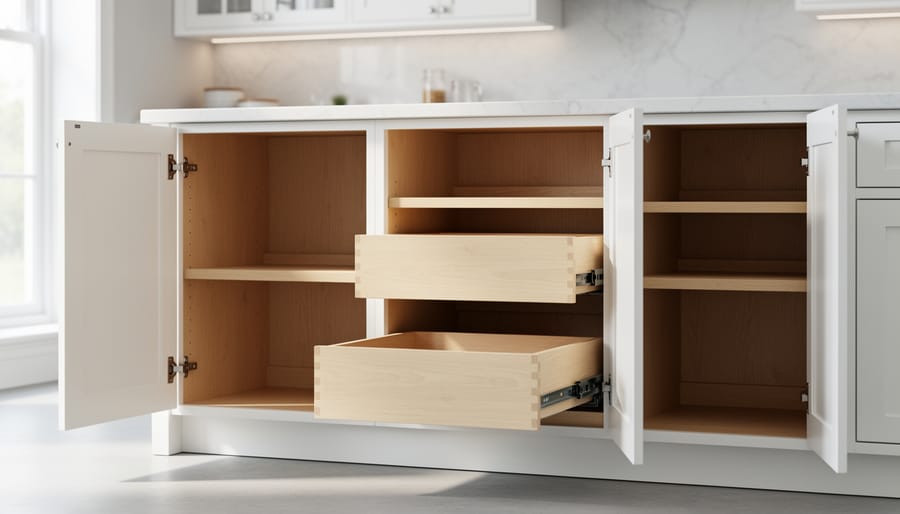
Identify cabinet components by examining three key areas: the box structure (carcass), the door and drawer fronts, and the hardware connecting them. Understanding these parts helps you communicate accurately with contractors, order correct replacement pieces, and assess damage for insurance claims.
Start by locating the cabinet box—the main structure typically constructed from plywood or particle board. The sides are called panels, the horizontal bottom piece is the floor, and the top surface is the deck or top panel. The vertical divider separating sections is the partition, while the horizontal shelf sits on adjustable pins or fixed supports. The back panel, usually thinner material, provides structural stability and attaches to your wall.
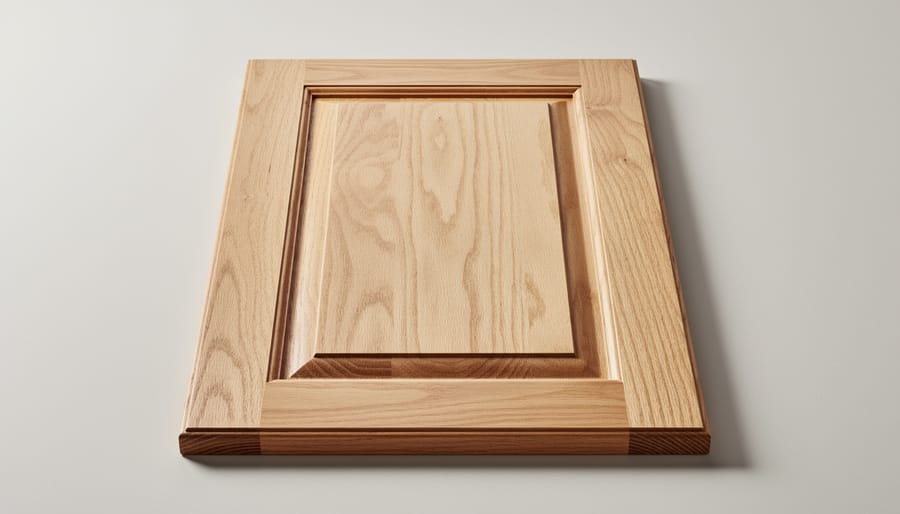
Examine the door system next. The door itself consists of the frame (outer border) and center panel, connected by hinges to the cabinet face frame—the wooden border surrounding the cabinet opening. The stiles run vertically along the face frame while rails run horizontally. Behind closed doors, you’ll find the toe kick (recessed base) allowing you to stand close to counters comfortably.
Move to functional components including drawer boxes (the actual storage container), drawer slides (metal tracks enabling smooth motion), and drawer faces (decorative fronts). Cabinet hardware encompasses hinges, handles, knobs, and catches that make everything operational.
Learning these component names transforms vague descriptions like “the broken thing on the door” into precise requests for “a soft-close hinge replacement”—saving time and preventing costly miscommunication during repairs or remodeling projects.
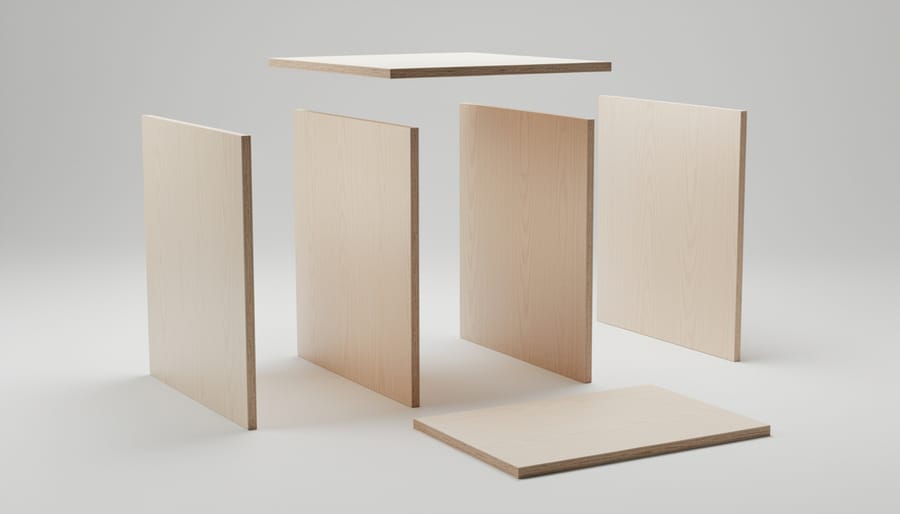
Understanding the difference between face frame and frameless cabinets is essential when identifying parts or discussing repairs with professionals. These two construction styles significantly affect how components are named, attached, and replaced.
Face frame cabinets, the traditional American style, feature a wooden frame attached to the front edges of the cabinet box. This frame, typically made from 1.5-inch strips of hardwood, creates the cabinet opening and provides a mounting surface for doors and hinges. The frame includes vertical pieces called stiles and horizontal pieces called rails. This construction style means you’ll encounter terms like “overlay” (how much the door covers the frame) and “inset” (when doors sit flush within the frame opening). Face frame cabinets offer excellent structural support and can hide slight imperfections in cabinet box alignment.
Frameless cabinets, also known as European-style or full-access cabinets, eliminate the front frame entirely. Instead, doors attach directly to the cabinet box sides using specialized concealed hinges. This design follows frameless cabinet construction standards that maximize interior storage space since there’s no frame reducing the opening size. You’ll notice different hardware requirements, including adjustable European hinges and often different drawer slide specifications.
When requesting repairs or replacement parts, identifying your cabinet style helps professionals recommend the correct components and techniques. For example, hinge replacement in face frame cabinets differs entirely from frameless systems, affecting both the parts needed and labor involved in restoration work.
The toe kick, also called a toe plate or base kick, is the recessed area at the bottom front of base cabinets that allows you to stand comfortably close to countertops without your feet bumping the cabinet face. Typically set back 3 to 4 inches and standing 3.5 to 4 inches high, this seemingly minor detail makes a significant difference in kitchen usability.
This component consists of a horizontal board attached to the cabinet’s base frame or legs. In many kitchens, the toe kick is simply painted or left unfinished since it sits in shadow. However, modern designs often feature matching finished panels or even integrated lighting for a polished look.
The base components supporting your cabinets include corner braces, leveling legs, and support rails that distribute weight evenly across the floor. These elements work together to keep cabinets stable and level, even on uneven flooring. Over time, moisture damage or wear can compromise these foundational parts, causing cabinets to tilt or sag.
Property managers often discover toe kick damage during routine inspections, especially in commercial kitchens where repeated mopping can cause wood deterioration. When you notice warping, soft spots, or visible gaps in this area, prompt repair prevents larger structural issues. Replacing a damaged toe kick is straightforward and restores both function and appearance to your cabinetry.
Cabinet hinges are the hardworking mechanisms that allow your doors to open and close smoothly thousands of times over their lifetime. Understanding the different types helps you identify what you have and communicate effectively with repair professionals when issues arise.
European hinges, also called cup hinges, are the most common type in modern cabinetry. These ingenious devices mount inside the cabinet box and door, making them completely invisible when the door is closed. They feature a circular cup that fits into a drilled hole on the door’s interior side, connected to a mounting plate attached to the cabinet frame. One of their best features is adjustability—you can fine-tune the door position in three directions without removing the hinge entirely.
Concealed hinges operate similarly to European hinges and are often used interchangeably in conversation. The key benefit is their hidden appearance, which creates clean lines and a streamlined look in your kitchen.
Overlay hinges determine how your cabinet door sits in relation to the cabinet frame. Full overlay hinges allow the door to cover the entire cabinet face, while partial overlay leaves some frame visible. Inset hinges position the door flush within the frame opening.
When hinges fail, doors sag, don’t close properly, or create gaps. One homeowner shared how replacing worn European hinges on fifteen-year-old cabinets completely transformed their kitchen’s functionality: “The doors finally close quietly and stay aligned. It’s like having new cabinets for a fraction of the cost.”
Regular inspection and occasional adjustment keep hinges functioning optimally for years.
Door catches and soft-close mechanisms are the unsung heroes that keep your cabinet doors properly aligned and operating smoothly. Understanding these components helps you identify when replacements are needed and communicate effectively with repair professionals.
Magnetic catches use a small magnet mounted inside the cabinet frame that connects with a metal plate on the door, creating a secure hold when closed. These are affordable and reliable, though they can weaken over time. Roller catches feature a spring-loaded roller mechanism that engages with a strike plate, providing a satisfying click when the door closes. While durable, they occasionally require adjustment to maintain proper alignment.
Modern soft-close mechanisms represent a significant upgrade in cabinet functionality. These hydraulic or pneumatic dampers attach to cabinet doors or drawers, gently guiding them to a quiet, controlled close. This technology prevents slamming, reduces wear on cabinet components, and adds a luxury feel to any kitchen. One customer shared how upgrading to soft-close hinges “transformed our morning routine—no more loud bangs waking the kids!”
When catches fail or soft-close mechanisms malfunction, doors may not stay closed or might slam shut. These issues are typically straightforward to address. Professional repair services can quickly replace worn catches or install modern soft-close systems, extending your cabinets’ lifespan while improving daily functionality.
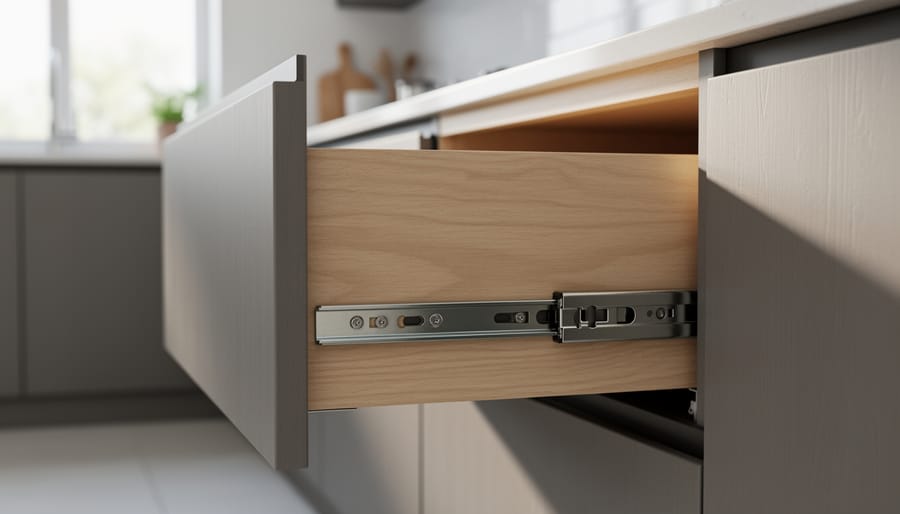
The construction method of your drawer boxes significantly impacts their longevity and performance. Understanding these joining techniques helps you assess cabinet quality and make informed decisions during repairs or replacements.
Dovetail joints represent the gold standard in drawer construction. These interlocking, wedge-shaped cuts create an exceptionally strong bond that actually tightens under stress as you pull the drawer open and closed. You’ll find dovetail joints in high-quality cabinets, and they’re a reliable indicator of superior craftsmanship. When properly constructed, dovetailed drawers can last decades without separating.
Dowel joints offer a more economical alternative while still providing solid construction. This method uses wooden pegs inserted into precisely drilled holes to connect drawer sides. While not quite as robust as dovetails, quality dowel construction serves most household needs effectively.
Other common methods include tongue-and-groove joints and simple butt joints reinforced with staples or nails. Butt joints, while the most affordable option, typically appear in budget cabinets and may require repair sooner than their dovetail or dowel counterparts.
When inspecting drawer construction during a remodeling project or after damage, examine the corners closely. Loose or separated joints often indicate it’s time for professional intervention to restore proper function and prevent further deterioration.
The interior of your kitchen cabinets works harder than you might think. While the doors and frames get all the attention, it’s the shelving and interior components that truly determine how functional your storage space becomes.
Adjustable shelves represent one of the most practical features in modern cabinetry. These shelves rest on small metal or plastic shelf pins (also called shelf pegs or support pins) that fit into pre-drilled holes along the cabinet’s interior sides. This simple system allows you to customize the height between shelves to accommodate everything from tall cereal boxes to short spice containers. Most cabinets include holes spaced one to two inches apart vertically, giving you flexibility to reconfigure storage as your needs change.
Shelf supports come in several varieties beyond basic pins. Some cabinets use metal clips, L-brackets, or even concealed European-style supports that create a cleaner look. Understanding which type your cabinets use becomes essential when shelves sag or supports go missing—a common issue we encounter during restoration projects.
Fixed shelves, permanently attached to the cabinet box, provide structural stability but less flexibility. You’ll typically find these in base cabinets where they reinforce the cabinet frame, or in specialized storage units designed for specific items.
Interior organizing elements have evolved significantly in recent years. Pull-out shelf systems, lazy Susans, drawer inserts, and vertical dividers transform ordinary cabinets into highly efficient storage solutions. These components may seem like luxuries, but they genuinely maximize usable space and prevent the frustration of items getting lost in dark cabinet corners.
One customer recently told us, “I didn’t realize how much space I was wasting until we added proper shelf supports and organizers during the restoration.” When these interior components fail or wear out, cabinets quickly become inefficient and cluttered, making timely repairs worthwhile investments in your kitchen’s functionality.
While the functional components of kitchen cabinets keep your storage organized and accessible, decorative and finishing parts transform ordinary cabinetry into stunning focal points that define your kitchen’s character. These aesthetic elements bridge the gap between your cabinets and the surrounding architecture, creating a polished, cohesive look that elevates your entire space.
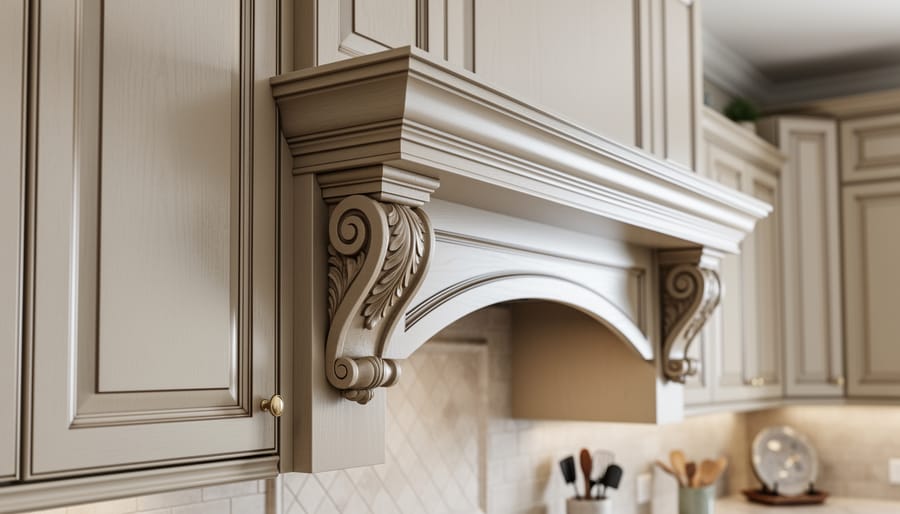
Crown molding sits atop your upper cabinets, adding an elegant transition between the cabinet boxes and your ceiling. This trim piece comes in various profiles—from simple beveled edges to ornate traditional designs—and helps your cabinets appear custom-built rather than installed. Many homeowners don’t realize that crown molding also serves a practical purpose by concealing the gap where cabinets meet uneven ceilings.
Light rail molding attaches to the underside of wall cabinets, creating a finished edge that hides under-cabinet lighting fixtures. This simple trim piece ensures your task lighting looks integrated and professional rather than like an afterthought.
Corbels are decorative brackets that add architectural interest while appearing to support countertop overhangs or open shelving. These carved or shaped elements introduce visual weight and traditional charm, particularly effective on kitchen islands or peninsula ends.
Valances span the space between upper cabinets, often above the sink area. Beyond their decorative appeal, valances conceal under-cabinet lighting and create a furniture-like quality that makes your kitchen feel more custom and intentional.
End panels finish the exposed sides of cabinet runs, particularly where they terminate at walls or appliances. These panels match your cabinet door style and finish, ensuring every visible surface looks deliberate and complete rather than showing raw cabinet box edges.
One satisfied customer shared how replacing damaged crown molding transformed their water-damaged kitchen: “I thought we’d need all new cabinets, but the restoration team matched the ornate molding exactly—you’d never know there was damage.” Understanding these finishing components helps you communicate effectively with repair professionals and make informed decisions about restoration versus replacement when damage occurs.
Understanding the specific parts of your kitchen cabinets transforms how you handle repairs and damage assessment. When you can accurately identify components like the stiles, rails, or drawer boxes, you communicate more effectively with repair professionals and streamline the restoration process. This knowledge saves time and reduces the risk of miscommunication that could lead to incorrect repairs or unnecessary replacements.
Consider Sarah, a property manager who recently discovered water damage in one of her rental properties. Because she knew the difference between face frames and cabinet boxes, she could immediately report to her insurance adjuster that the face frame had warped while the box remained intact. This specific information helped expedite her claim and ensured the repair team arrived with the correct materials. The result? Her tenant experienced minimal disruption, and the insurance process moved smoothly.
When filing insurance claims, precise terminology matters significantly. Adjusters need accurate descriptions of damaged components to process claims efficiently. Saying “the door is broken” provides limited information, but explaining “the concealed hinge has pulled away from the door stile, causing alignment issues” gives adjusters a clear picture of the damage scope and repair requirements. This specificity often leads to faster claim approvals and more accurate repair estimates.
For homeowners tackling minor repairs themselves, knowing cabinet parts helps you purchase the right replacement components. Understanding that your soft-close mechanism attaches to the drawer box rather than the drawer front prevents ordering incorrect parts and wasting money on items you cannot use.
Property managers juggling multiple units particularly benefit from this knowledge. When coordinating repairs across several properties, being able to describe exact components needing attention allows maintenance teams to prepare appropriately, bringing the right tools and replacement parts on the first visit. This efficiency reduces labor costs and minimizes tenant inconvenience. Whether you’re working with restoration professionals, filing insurance claims, or handling minor fixes independently, speaking the language of cabinet parts empowers you to make informed decisions and achieve better repair outcomes.
Understanding the various parts of your kitchen cabinets empowers you to make informed decisions about maintenance, repairs, and replacements. When you can accurately identify components like hinge plates, drawer glides, or toe kicks, you communicate more effectively with contractors and restoration professionals, ensuring everyone is on the same page from the start. This knowledge also helps you assess damage more accurately, whether you’re a homeowner dealing with water damage or a property manager evaluating repair costs for insurance purposes.
Knowing cabinet terminology makes a real difference when deciding between DIY fixes and professional restoration. Simple tasks like tightening loose hinges, replacing cabinet pulls, or adjusting drawer glides are often manageable weekend projects for handy homeowners. However, more complex issues—such as structural damage to the cabinet box, warped door frames, water-damaged panels, or complete drawer box reconstruction—typically require specialized tools and expertise to achieve lasting, professional results.
The key is recognizing your comfort level and the scope of damage. Minor cosmetic issues might be within reach, but when cabinet integrity is compromised or multiple components need coordination, professional restoration services deliver superior outcomes. Experienced restoration specialists bring not only technical skills but also access to matching materials and finishes that preserve your kitchen’s aesthetic consistency.
Whether you’re maintaining your home, managing commercial properties, or adjusting insurance claims, this foundational knowledge of cabinet components serves as a valuable reference point. When complex repairs arise, partnering with trusted restoration professionals ensures your cabinets receive the expert care they deserve, protecting your investment for years to come.