

The fastest way to reach Universal Furniture is to confirm the current customer service number directly with the company, using the contact details printed on your purchase paperwork, your warranty documents, or the retailer who sold you the piece. Phone numbers, hours, and contact channels change, and we haven’t verified a current set, so we won’t hand you one that might send you in circles.
What we can confirm is where the company’s offices are. Universal Furniture International has locations at 2575 Penny Rd in High Point, North Carolina, and in Conover, North Carolina, and Universal Furniture LLC is based in Stafford, Texas. Knowing which office matches your region can help you find the right contact faster.
A scratched tabletop, a cracked leg, or a missing hardware kit usually has a clear fix, and a well-prepared call gets you there sooner. Photos, your order details, and a note of every conversation make the process smoother, and in many cases professional repair or restoration is the simplest next step. This guide walks you through each of them.
Universal Furniture isn’t a single office behind a single desk. Public listings show locations in High Point, North Carolina (2575 Penny Rd), Conover, North Carolina, and Stafford, Texas, and each one can serve a different purpose.
That matters because your question shapes who should hear it. A warranty claim, a question about an order, and an issue with a piece you bought through a retailer may not all be handled the same way. A call that starts in the wrong place can mean a transfer or a request to contact someone else, so it helps to know what you’re asking before you dial.
We can’t say which office handles which type of request, and guessing would only send you in circles. Treat the locations above as a starting point for understanding where the company operates, not as a routing guide.
The practical move is simple. Confirm the current customer service number and hours through Universal Furniture’s official channels, then state your question clearly at the start of the call so you reach the right person faster.
A quick check goes a long way before you dial anything. Start with the official Universal Furniture website, since that’s the most dependable place to find current contact details. If you’d rather work from paper, look at the warranty card, invoice, or care booklet that came with your piece, which often lists the manufacturer’s preferred way to reach them.
Be a little cautious with unofficial directory listings and search snippets. They can be outdated or copied from other sources, and a number that looks right may not connect you to the company at all. If a listing doesn’t match what you find on the official site or your paperwork, trust the official source.
Whichever number you use, never share payment or banking details on an unexpected call. Customer service for a warranty or parts question shouldn’t require them.

A few minutes of preparation can save you a long, frustrating call. Representatives can usually help faster when they have the full picture, so gather these items before you dial.
Purchase details. Find your receipt, order confirmation, or invoice. Note the date you bought the piece and the retailer you bought it from. If the furniture came as a set, jot down which pieces are affected.
Model or style information. Look for a tag or label, often on the back panel, under a tabletop, or inside a drawer. It may list a style name or item number. If you can’t find one, a clear photo of the whole piece still helps the representative identify it.
Clear photos of the issue. Take shots in good daylight: one wide view of the piece, one mid-range view showing where the problem sits, and one close-up of the damage itself. If the problem is the finish, which simply means the surface coating or color on the wood, try a few angles, since glare can hide scratches or wear.
A short description of what happened. Write two or three sentences covering when you noticed the problem, whether it appeared gradually or suddenly, and what you’ve already tried. Keep it factual and calm. Details like “the drawer began sticking after three months” are far more useful than general frustration.
Your contact information and a notepad. Have your address and phone number handy, plus something to write on. You’ll want to record who you spoke with and what was promised.
Think of this as your own mini case file. Each item answers a question the representative will almost certainly ask, so you won’t be hunting for details mid-call. Preparation is the quickest route to a resolution because it moves the conversation straight to solutions.

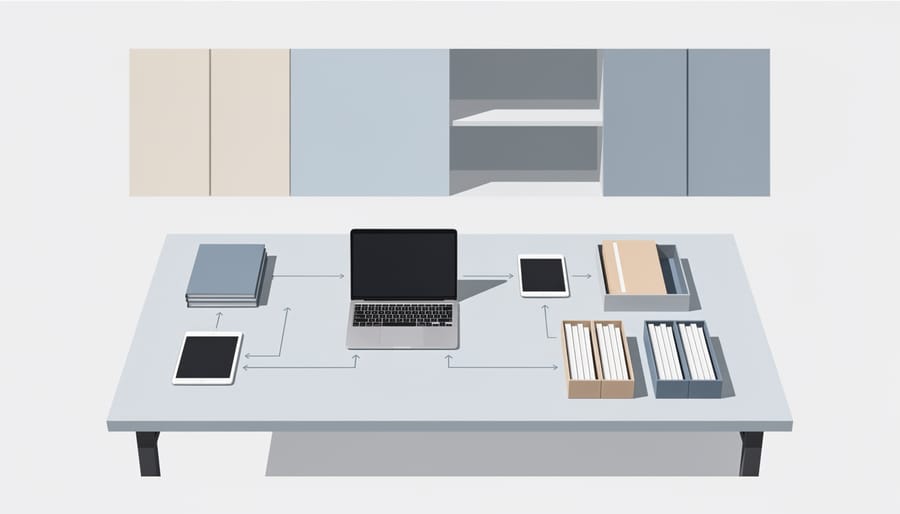
Start a simple call log before you dial, and keep adding to it after every conversation. A notebook page or a phone note works fine. Write down the date and time, the name of the person you spoke with, and any reference or case number they give you. Then record what they promised and by when, such as “replacement part to ship within two weeks” or “will email a claim form.”
It helps to keep photos, receipts, and emails in the same folder so everything lives in one place. Repair businesses do exactly this with a CRM system and the same habit pays off at home. Good customer management comes down to never making someone repeat their story.
Commercial property managers and insurance adjusters benefit even more. A clear paper trail supports a warranty request or a claim, and it shows what was said and when. Before you hang up, repeat the reference number and next step back to the representative so you both leave with the same understanding.
A phone call is a good first step, but it isn’t always the whole answer. Some damage can be fixed properly without waiting on a replacement piece, and a repair is often faster than ordering and delivering a new one.
Think about the kinds of problems that tend to show up. Surface scratches and dings, loose or wobbly joints, and worn or faded finishes (the coating or color on the wood) are all common, and a skilled technician can usually address them directly. These are repairs, not reasons to give up on a piece you already like.
There are two broad routes. On-site repair means a technician comes to your home or business and fixes the issue where the furniture sits, which suits smaller jobs like a scratched tabletop or a chair that has started to rock. Full restoration is more involved. The piece is refinished or rebuilt so it looks and performs like new, which makes sense for treasured or heavily worn items. Repairing a quality piece can also make real financial sense, especially when you’d otherwise be replacing several items at once.
If the damage is covered by insurance, claim assistance is available, which can take some of the paperwork off your plate.
To get a feel for what’s realistic, browse a before-and-after image gallery. Seeing typical results side by side makes it easier to judge whether repair, restoration, or a manufacturer solution fits your situation best.
The current number and hours aren’t listed here, so it’s best to confirm them directly with Universal Furniture through its official website or the paperwork that came with your purchase. Starting from those sources helps make sure you reach the right team.
Verified locations include 2575 Penny Rd in High Point, NC; Conover, NC; and Stafford, TX. Which office is right for you can depend on your question, so confirm the best contact before you call.
Gather your purchase details, the model or style information, a few clear photos, and a short description of what happened. Having this on hand usually makes the conversation faster and less stressful.
Often, yes. Scratches, loose joints, and worn finishes can frequently be handled through professional repair or restoration, which may be quicker than waiting on a replacement.
Keeping track of your service request is just as simple, and it’s a habit worth building. Jot down the date, the name of the person you spoke with, any reference number you’re given, and the next steps they promise. It’s the same approach repair professionals take, and a well-run shop that stays this organized quickly becomes a client magnet because customers never have to repeat themselves.
If your call leads to a “we can’t fix that” or a long wait, don’t be discouraged. A repair specialist can often look at your photos and tell you quickly whether your piece can be restored, and that answer alone can save you time and stress.
Reaching the right person at Universal Furniture comes down to a little preparation. Confirm the current phone number and hours directly with the company, since those details can change. Then gather your purchase information and clear photos of the issue before you dial, and keep a simple record of every conversation, just as a repair business logs each request in its CRM.
Sometimes the best answer isn’t a replacement at all. Scratches, loose joints, and worn finishes can often be repaired by skilled hands, keeping a piece you already love in your home. If that sounds like your situation, take a look at our repair and restoration options and see what’s possible for your furniture.