
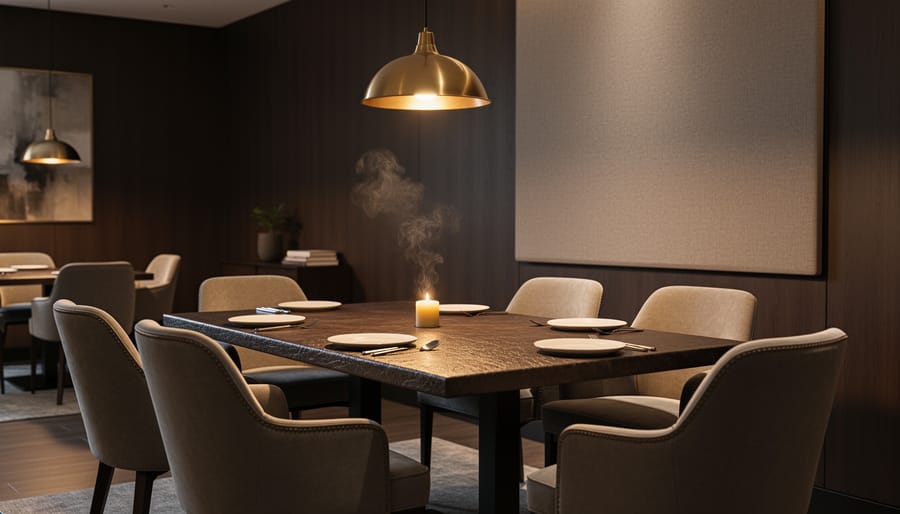
Multisensory integration is the brain’s ability to combine information from two or more senses to create a unified, richer experience of the environment. When you walk into a restaurant and the warm lighting, aromatic spices, soft background music, and plush seating all work together to make you feel welcome, that’s multisensory integration at work.
For homeowners and property managers, understanding this concept opens the door to designing spaces that don’t just look beautiful but feel right on every level. The difference between a room that photographs well and one that people actually want to spend time in often comes down to how successfully multiple senses are engaged.
Most design conversations focus exclusively on visual appeal. Paint colors, furniture styles, and layout arrangements dominate the planning process. But humans don’t experience spaces with their eyes alone. The texture of upholstery under your hand, the echo of footsteps on hardwood versus carpet, the faint scent of leather from a restored chair, the temperature gradient between a sunny window seat and a shaded reading nook, all these sensory inputs combine to shape how comfortable and engaged you feel in a space.
This article breaks down the mechanics of multisensory integration and provides concrete examples of how to apply it in residential and commercial interiors. You’ll see how sight, sound, touch, smell, and even taste work together, learn why quality materials and thoughtful restoration choices matter beyond aesthetics, and discover practical ways to layer sensory elements that transform ordinary rooms into memorable environments.
Multisensory integration in interior design refers to how your brain automatically combines signals from different senses, what you see, touch, hear, and smell, to form a complete impression of a space. Rather than processing each sense independently, your brain weaves them together to create a unified perceptual experience. When you enter a well-designed room, you’re not consciously cataloging the soft rug, warm lighting, and faint scent of wood polish separately. Your brain merges these inputs instantly, producing an overall feeling of comfort, luxury, or energy.
This integration matters because it determines whether a space feels cohesive or disjointed. A living room with visually appealing but scratchy upholstery, harsh lighting, and poor acoustics might look good in photographs yet feel uncomfortable in person. The mismatch between visual promise and tactile or auditory reality creates sensory conflict.
In residential settings, multisensory integration affects daily comfort and wellbeing. The grain pattern you see in a restored dining table paired with the smooth, hand-finished surface you touch reinforces quality and care. In commercial spaces like hotels, offices, and retail environments, it shapes customer perception and behavior. A lobby with polished wood reception furniture, sound-absorbing textiles, and natural scent signals professionalism and attention to detail before anyone reads a sign or speaks to staff.
Sensory-smart design takes this concept further by intentionally managing sensory inputs to accommodate different needs and preferences. Whether designing for broad appeal or specific requirements, the principle remains: spaces work best when all senses receive consistent, complementary signals rather than competing messages.
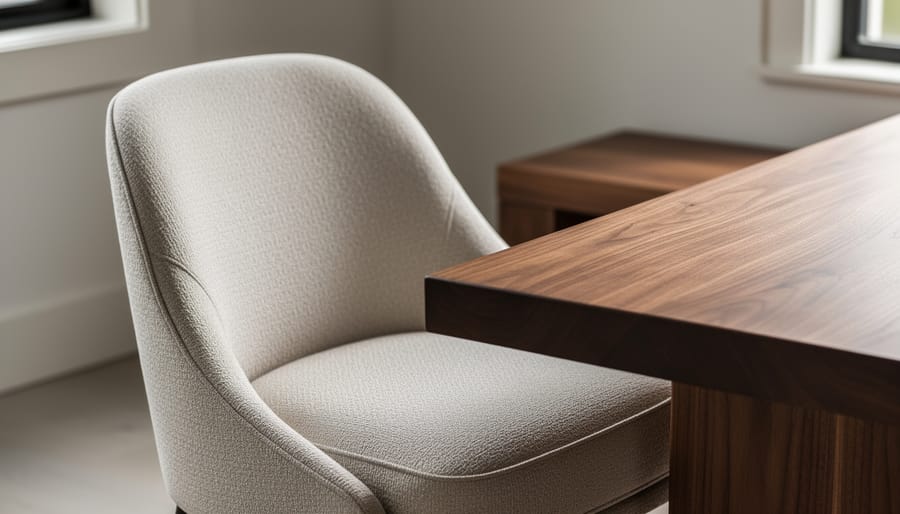
Designers create immersive environments by deliberately combining sensory inputs that your brain naturally weaves together. When you walk into a room, your nervous system doesn’t process each sense in isolation, it simultaneously registers the warm glow of lighting, the texture of upholstery under your fingers, the acoustic quality of voices, and the subtle scent of finished wood. Your brain blends these signals into a single, unified perception of the space. This integration happens automatically, but skilled designers can orchestrate it intentionally.
The neurological mechanism is straightforward: sensory information from different sources arrives at various brain regions, then converges in areas that create a cohesive experience. Think of it as multiple instruments playing parts of the same song. When these sensory signals reinforce each other, when visual warmth matches tactile warmth, or when the soft appearance of fabric corresponds to its actual softness, the brain registers harmony. This alignment triggers positive emotional responses, influences behavior, and enhances comfort. Conversely, when sensory signals conflict, people feel uneasy without always knowing why.
Interior designers control this integration through specific, tangible choices. Furniture materials provide both visual and tactile information, a mahogany table doesn’t just look rich, it feels smooth and substantial. The finish you select changes both appearance and touch: a matte wax gives different sensory feedback than glossy lacquer. Lighting affects not only what you see but how colors appear, how textures cast shadows, and even how warm or cool a space feels to your skin.
Spatial layout influences acoustics and movement patterns. Hard surfaces like polished wood floors reflect sound, while upholstered seating absorbs it. The distance between furniture pieces affects both visual balance and how sound travels. Restored antique pieces contribute aged wood scents and visible grain patterns that add sensory depth. Research into multimodal emotion integration confirms that these layered inputs shape emotional responses more powerfully than any single sense alone.
Quality matters because poorly maintained furniture sends conflicting signals. A scratched finish looks neglected but might feel smooth, creating sensory dissonance. Professional restoration aligns these elements, repairing damage so the piece looks, feels, and even smells cared for. Every design decision either supports or undermines the integrated sensory story your space tells.
Wood grain offers one of the clearest examples of visual-tactile pairing. When you see the rich pattern in a walnut tabletop, your brain anticipates the texture before your hand even makes contact. Running your fingers along those same grooves confirms what your eyes suggested, creating a satisfying sensory loop that makes the piece feel more authentic and valuable.
Leather upholstery demonstrates this pairing beautifully. The patina you observe, subtle color variations, natural creasing, tells you exactly how the material will feel: supple, warm, slightly textured. Quality restoration preserves both the visual character and tactile response, whether you’re working with the ornate curves of Baroque elegance or the sleek lines of an Art Deco revival piece.
Finish choices amplify this connection. A high-gloss polish on mahogany creates visual depth while feeling smooth and cool to the touch. Matte finishes look softer and feel warmer, with slight friction under your palm. Professional refinishing ensures these visual and tactile signals align, so what you see matches what you experience when you interact with the furniture daily.
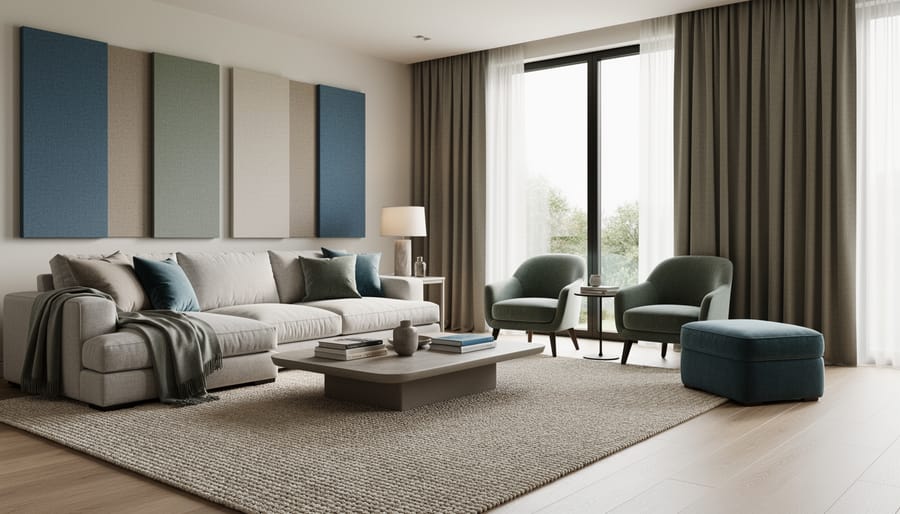
Sound doesn’t exist in isolation, it bounces, absorbs, and transforms depending on what it encounters in a room. Hard surfaces like polished wood floors, glass tabletops, and bare walls reflect sound waves, creating echo and amplifying noise. Soft materials, upholstered chairs, curtains, area rugs, cushioned seating, absorb sound energy, dampening reverb and reducing overall volume.
Restored wooden cabinetry and furniture play a dual role in acoustic management. Dense hardwood pieces absorb some sound frequencies while reflecting others, adding warmth to a room’s acoustic signature without the flatness of complete sound absorption. A solid oak bookcase filled with books creates natural acoustic diffusion, scattering sound waves in multiple directions and preventing harsh echoes.
Room layout affects how sound travels. Placing a restored credenza against a wall breaks up sound pathways, while strategically positioned upholstered pieces near conversation areas improve speech clarity by controlling background noise. In open-plan spaces, wooden room dividers or refinished screens redirect sound flow without blocking visual connection.
The combination matters more than individual elements. A dining room with a refinished table, padded chairs, and a textile wall hanging balances reflection with absorption, creating comfortable acoustics for conversation without feeling acoustically dead.
Scent operates as one of the most powerful memory triggers in interior environments, yet it’s often the most overlooked sensory element in design. Natural wood releases subtle aromatic compounds, cedar’s clean sharpness, walnut’s earthy warmth, oak’s mild vanilla notes, that unconsciously signal quality and craftsmanship. When furniture restoration work preserves or revives these inherent scents through proper conditioning and finishing, the space gains an olfactory layer that reinforces visual and tactile cues.
Freshly applied natural oils and waxes during restoration create brief but memorable scent signatures that many homeowners associate with care and renewal. Leather conditioning produces a similar effect: the mild, organic smell of treated leather upholstery adds depth to a room’s sensory profile while signaling maintenance and longevity.
These scents anchor spatial memory more effectively than visual details alone. Walk into a room with restored wood furniture and you might recall a grandparent’s study or a favorite reading nook, even if the pieces differ. That’s scent working with other senses to build emotional resonance and lasting comfort in designed environments.
A residential living room offers one of the clearest examples of multisensory integration in practice. Picture a space anchored by a professionally restored mid-century walnut credenza. The wood grain catches natural light, creating visual depth and movement throughout the day. When you run your hand across the surface, the satin finish feels smooth and slightly warm. The room incorporates linen sofas in muted tones, their texture providing soft contrast to the polished wood. Layered lighting, a vintage floor lamp, recessed ceiling fixtures, and candles on the credenza, creates pools of warm illumination that shift the mood from energizing to relaxing. The subtle scent of beeswax from the credenza’s recent conditioning mingles with fresh flowers on the side table. Even sound plays a role: an area rug dampens footsteps, while bare hardwood near the entry announces arrivals. This wasn’t accidental. The homeowner worked with a designer to restore tired furniture pieces and select complementary elements that engage multiple senses simultaneously.
Commercial lobbies demonstrate multisensory integration at a larger scale. A corporate office building in Chicago transformed its entry from sterile to welcoming by refinishing original oak reception desks and adding leather seating in the waiting area. The polished stone floors reflect overhead lighting, creating visual brightness, while strategically placed acoustic panels shaped like abstract art reduce echo from high ceilings. Visitors touch smooth brass door handles, aged to a warm patina. A water feature provides gentle background sound that masks office noise without demanding attention. The space even considers temperature: heated floors in winter, cooler stone surfaces in summer. Before renovation, the lobby felt cold and unwelcoming. After integrating these sensory elements around restored architectural woodwork, visitor feedback highlighted how much more comfortable and professional the space felt.
Restaurants represent perhaps the most intentional multisensory environments. A farm-to-table restaurant in Portland uses reclaimed wood tables that diners can see, touch, and smell, the natural oils used in restoration release a faint cedar scent. Warm Edison bulbs create intimate visual zones. Open kitchen design lets cooking sounds and aromas reach dining areas. Upholstered banquettes absorb excess noise, keeping conversation comfortable. Servers describe dishes in sensory terms: crispy, aromatic, tangy. Even plating considers visual composition and the tactile experience of different utensils. The owner specifically chose furniture restoration over replacement to preserve the wood’s authentic texture and character, understanding that every sensory detail contributes to the overall dining experience and influences whether guests return.

Professional furniture restoration creates a direct, measurable impact on how we experience our spaces through every sense. When a skilled technician refinishes a worn dining table, they’re not just repairing damage, they’re restoring tactile pleasure. Running your hand across a properly sanded and sealed surface reveals the difference between amateur work and professional craftsmanship: the finish feels smooth and consistent, free from rough patches or sticky buildup that detract from comfort.
Visual transformation ranks among the most obvious benefits. Color matching brings faded wood back to its original richness, while grain enhancement techniques reveal the natural beauty buried under years of wear. A restored piece becomes a focal point again, catching light differently than it did in its damaged state. The visual coherence matters in multisensory environments, mismatched furniture or obvious wear creates visual noise that disrupts the entire spatial experience.
Scent provides a subtler but equally powerful sensory layer. Natural oils, beeswax polishes, and quality wood conditioners release gentle, organic aromas that signal authenticity and care. These natural materials smell nothing like synthetic chemical finishes. When you keep wood furniture alive through proper restoration and maintenance, you’re preserving the wood’s natural oils and character, materials that contribute pleasant, earthy scents to indoor environments.
Quality materials separate professional restoration from quick fixes. Using shellac instead of polyurethane, applying hand-rubbed oil finishes rather than spray lacquers, selecting proper wood fillers that match density and grain, these choices affect how furniture looks, feels, and even sounds when you set something on it. Well-restored pieces contribute to sensory richness rather than detracting from it, supporting the broader multisensory goals of thoughtfully designed interiors.
Sight and touch typically dominate because we constantly see and interact with surfaces, furniture, and finishes. However, the most effective spaces engage all five senses in varying degrees depending on the room’s purpose, acoustics matter tremendously in open-plan offices, while scent plays a larger role in bedrooms and hospitality environments.
Absolutely. Small rooms benefit even more from intentional sensory layering because every element is immediately noticeable. A compact studio apartment can combine soft textiles for sound absorption, warm wood tones for visual warmth, and natural materials that feel pleasant to touch without requiring additional square footage.
Start with one or two dominant sensory features and let others support quietly. If you’ve chosen bold visual elements like colorful artwork, keep tactile and acoustic elements more subdued. The key is variation without competition, each sense should enhance rather than fight for attention.
Damaged or poorly maintained furniture disrupts the sensory experience more than most people realize. Rough, splintered wood feels unpleasant, worn finishes look dingy under good lighting, and deteriorating materials can introduce musty odors. Professional restoration brings furniture back to its intended sensory contribution, smooth to touch, visually appealing, and free from off-putting smells.
The cost question comes up frequently, and the honest answer is that multisensory design doesn’t require a luxury budget. You’re already making choices about materials, colors, and furnishings, this approach just makes those decisions more intentional. Investing in one beautifully restored wooden dining table creates more sensory value than filling a room with cheap, flat-pack alternatives. Quality over quantity applies here. Focus your resources on the pieces you interact with most: seating that feels comfortable, work surfaces with pleasant textures, statement furniture that anchors a room visually and tactically.
Creating spaces that truly feel right isn’t about decorating, it’s about orchestrating experiences that engage all your senses at once. When you walk into a room and immediately feel comfortable, that’s multisensory integration at work. Your brain processes the warm wood tones you see, the smooth finish you touch, the acoustics shaped by solid cabinetry, and even the subtle scent of quality materials all together, creating a seamless, welcoming environment.
The furniture and woodwork in your space play a starring role in this sensory symphony. A well-maintained dining table doesn’t just look good; it feels substantial, sounds solid, and carries the character of natural materials. Conversely, worn finishes, loose joints, or damaged surfaces disrupt the sensory experience and detract from the overall comfort of your home or business.
Take a moment to consider your current interiors through this multisensory lens. Are your furniture pieces contributing positively to every sense, or are signs of wear undermining the atmosphere you’re trying to create? Professional restoration can revive not just the appearance but the entire sensory presence of quality pieces, helping you achieve the cohesive, engaging environments that make spaces memorable and genuinely comfortable to inhabit.