
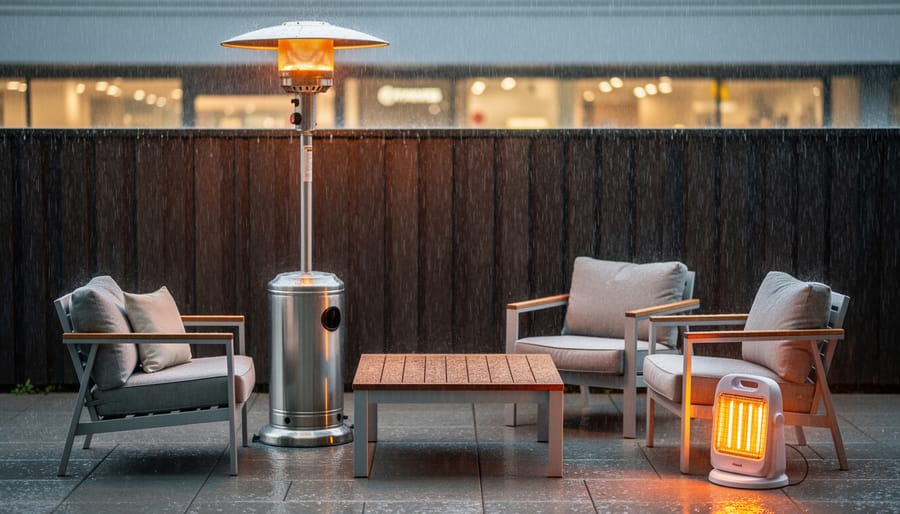
Selecting the right outdoor heater for your patio or commercial space means matching power output, fuel type, and weather-resistant construction to your specific climate challenges. The best weather-adaptive heaters for 2026 combine adequate BTU ratings (18,000+ for most residential patios), durable materials that withstand rain and wind, and safety features like tip-over switches. Right now, propane models like the Mr. Heater 18,000 BTU Big Buddy PRO Series Heater ($146.48) and infrared options such as the DR. INFRARED HEATER Portable Space Heater ($125.99) lead the market for their reliability in fluctuating temperatures.
Weather heating isn’t just about warmth. It’s about extending the life of your outdoor investment, from cushions to wooden furniture that can deteriorate when spaces go unused during cold months. A quality heater keeps your patio functional year-round, protecting furniture from moisture damage that comes with long periods of disuse and encouraging regular maintenance instead of emergency repairs.
The challenge most property owners face is choosing a heater that won’t fail when weather turns harsh. Underpowered units waste fuel and leave guests uncomfortable. Overpowered models burn through propane or electricity without adding real value. Construction quality matters, too. We’ve seen countless homeowners replace cheap heaters within a single season because moisture infiltrated controls or wind damage bent reflectors beyond repair.
This guide walks you through the four key factors that determine weather performance, compares the major heater types with current pricing, and shows you exactly how to match a model to your space without overspending or compromising safety.
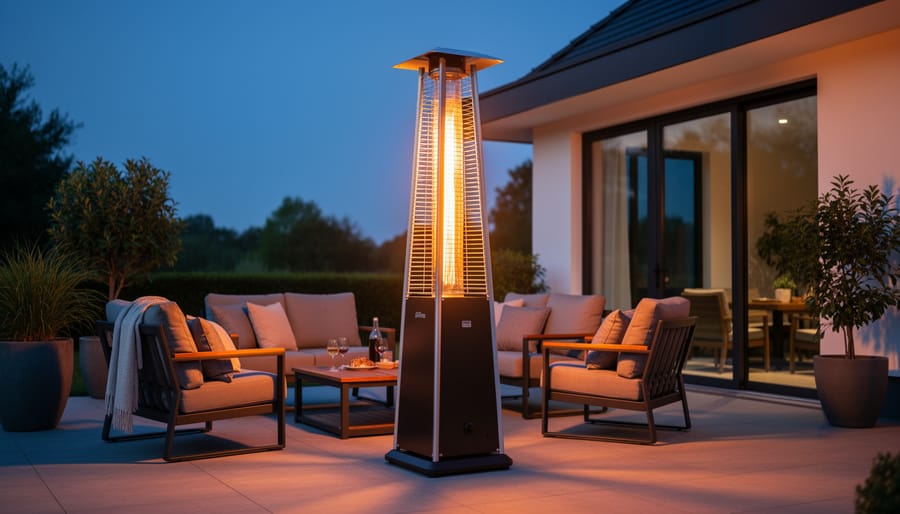
Weather-adaptive outdoor heating goes beyond simply generating warmth, it’s about intelligent design that responds to changing environmental conditions while keeping your family, guests, and outdoor furnishings safe. These systems incorporate sensors and construction features that automatically adjust to wind gusts, temperature drops, and precipitation, ensuring consistent performance when weather turns unpredictable.
At the heart of weather adaptation sits automatic shut-off technology. Modern outdoor heaters equipped with oxygen depletion sensors (ODS) monitor air quality in real-time, cutting fuel flow if oxygen levels drop to unsafe thresholds. Similarly, flame-out sensors detect when wind extinguishes the pilot light, immediately stopping gas flow to prevent dangerous buildup. Tip-over switches add another layer of protection, if a gust knocks your heater over or someone accidentally bumps it while rearranging patio furniture, the unit shuts down instantly.
Wind-resistant designs make a tangible difference in how well your heater performs during breezy evenings. Look for models with protective shields around burners, weighted bases, or mounting brackets that prevent tipping. Rain-safe construction means sealed electrical components, rust-resistant housing, and water-resistant ignition systems, critical features if you leave your heater on a covered patio rather than storing it after each use.
Temperature responsiveness takes several forms. Some electric models include thermostats that cycle heating elements on and off to maintain your target temperature, while propane units with variable heat settings let you dial output up or down as conditions shift. This adaptability prevents overheating nearby furniture finishes and fabric cushions, which can fade or crack under sustained high heat. Strategic heater placement, maintaining proper clearance from wood tables, upholstered seating, and decorative elements, extends the life of your outdoor investments while creating comfortable zones that your household actually uses beyond summer months.
Understanding BTU (British Thermal Unit) ratings is the foundation of choosing an outdoor heater that actually keeps your space comfortable. One BTU represents the energy needed to raise one pound of water by one degree Fahrenheit, and in practical terms, it tells you how much warming power a heater delivers.
For outdoor spaces, you’ll typically encounter heaters ranging from 18,000 to 55,000 BTU. The lower end works well for small patios and enclosed areas, while commercial outdoor seating or large open decks need the higher output. As a baseline, 18,000 BTU heaters like the popular Mr. Heater Big Buddy series effectively warm approximately 150-200 square feet in moderately cold conditions. Mid-range units around 30,000-40,000 BTU can cover 300-400 square feet, and commercial-grade 55,000 BTU models handle 500+ square feet.
Keep in mind these figures assume some wind protection and realistic expectations. An open, wind-swept deck will always need more heat output than a covered porch of the same size. Your furniture arrangement matters too, clustered seating concentrates warmth, while spread-out layouts may require multiple heaters or a higher-BTU model positioned centrally. Don’t undersize based on optimistic calculations. A heater running at 70% capacity performs more efficiently and lasts longer than one constantly maxed out trying to compensate for insufficient BTUs.
Fuel choice shapes both your initial investment and long-term heating costs. Propane-powered heaters deliver the most substantial warmth, making them ideal for large patios and commercial spaces where high BTU output matters. They’re widely available, and tanks are easy to refill or swap at most hardware stores. Expect to pay $20-30 per 20-pound tank, which provides roughly 10-20 hours of heat depending on your heater’s output setting. The trade-off is storage space for tanks and the inconvenience of monitoring fuel levels during use.
Natural gas heaters connect directly to your home’s gas line, eliminating tank refills entirely. Operating costs run lower than propane, typically 30-40% less per hour of use, but installation requires professional work and limits placement to areas near gas access points. This option works best for permanent patio installations where you won’t need to move the heater seasonally.
Weatherproof electric heaters offer the simplest operation, just plug them in. Running costs vary by your local electricity rates but average $0.15-0.25 per hour for a 1,500-watt unit. They produce zero emissions and require minimal maintenance, though heat output generally falls below propane models, making them better suited for smaller covered spaces or as supplemental warmth.
Infrared models, whether electric or propane-powered, convert more energy directly to heat rather than warming the surrounding air, improving efficiency in windy conditions. They cost slightly more upfront but can reduce operating expenses by 20-30% compared to traditional radiant heaters.
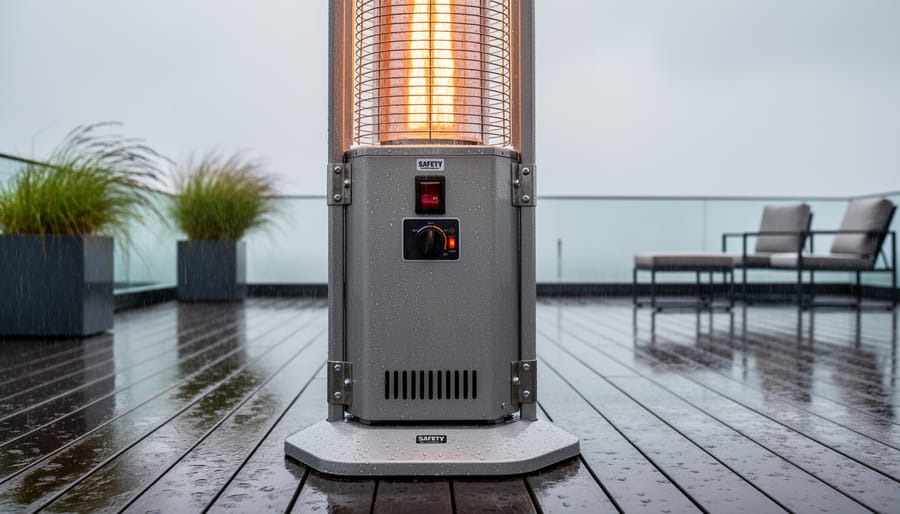
When choosing an outdoor heater, safety features should top your decision criteria, especially if you manage commercial properties or have children and pets around your patio. The right safety mechanisms protect people, property, and your outdoor furniture investment while giving you peace of mind during cold-weather gatherings.
The most critical safety feature is an oxygen depletion sensor (ODS), which automatically shuts down propane heaters when oxygen levels drop to unsafe levels in enclosed or poorly ventilated spaces. This system prevents carbon monoxide buildup, a silent danger that makes ODS standard on quality propane models. Tip-over protection is equally essential: sensors that cut fuel flow instantly if the unit gets knocked over prevent fires and gas leaks, which matters whether you’re heating a residential deck or a restaurant patio.
Look for these non-negotiable safety features in any outdoor heater:
Cool-touch exteriors prevent accidental burns when guests brush against the heater, while flame-out sensors stop unburned gas from escaping if wind snuffs the flame. For electric and infrared models, verify that electrical components carry weatherproof ratings, IPX4 or higher, to handle rain and humidity without shorting out. Commercial property managers should prioritize units with multiple redundant safety systems, since outdoor heaters face heavier use and more unpredictable conditions than residential models.
Choosing between portable and permanent outdoor heaters fundamentally shapes how you’ll use your outdoor space throughout the year. Each option suits different lifestyle patterns and property types.
Portable units with wheels offer unmatched flexibility for homeowners who rearrange furniture seasonally or host gatherings in different zones of their patio. You can move a wheeled heater from the dining area to the lounge seating as your evening progresses, then roll it into a garage or shed when temperatures climb. This mobility proves especially valuable for renters or those who relocate outdoor furniture between covered and open areas. The trade-off: portability typically means lighter construction, which can make freestanding units less stable in wind unless properly weighted. Most portable propane and infrared models also require accessible storage space when not in use, a garage corner or weatherproof deck box that accommodates their height and footprint.
Permanent installations, whether wall-mounted infrared panels or built-in natural gas patio heaters, deliver consistent warmth without taking up floor space or cluttering your furniture layout. They’re ideal for commercial property managers operating year-round outdoor seating areas, or homeowners committed to a fixed patio configuration. Mounting eliminates tip-over risks and protects the unit from accidental furniture scrapes that can damage portable models. The commitment runs deeper, though: installation requires professional gas line work or dedicated electrical circuits, and you sacrifice the option to heat different areas on demand. Consider your seasonal patterns, if you use your outdoor space primarily during a predictable four-month window and rarely shift furniture, permanent heating makes sense. If your setup changes with each season or event, portability wins.
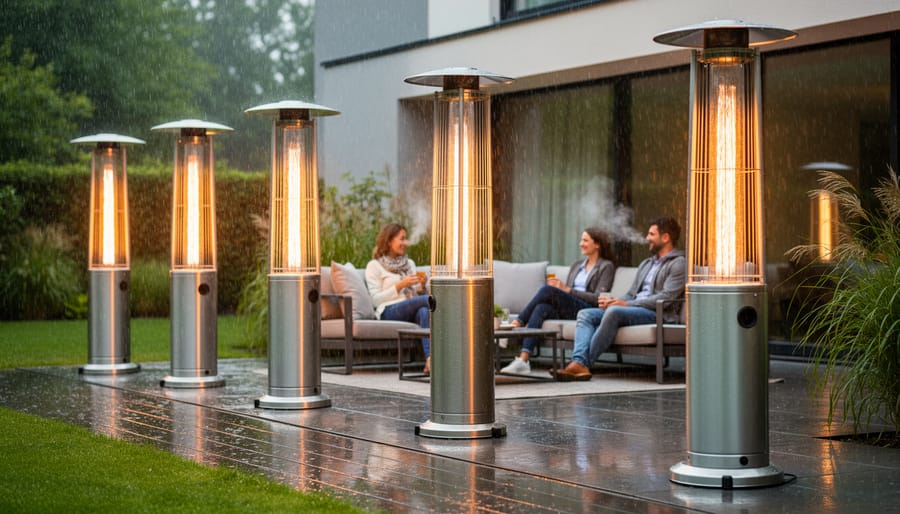
Portable propane heaters represent the most versatile category for homeowners seeking weather-adaptive outdoor heating without permanent installation. The Mr. Heater Big Buddy series dominates this segment, with their 18,000 BTU models delivering substantial warmth for medium-sized patios and outdoor seating areas up to approximately 450 square feet. These units feature built-in oxygen depletion sensors and tip-over safety switches, making them reliable choices for variable weather conditions.
The appeal centers on three core advantages: mobility, simplicity, and cost-effectiveness. Wheels or integrated handles allow you to reposition heaters as furniture arrangements change or move them to storage when weather turns severe. Setup requires nothing more than connecting a standard 20-pound propane tank, no electrical wiring, no gas lines, no professional installation. For 2026, expect pricing around $125-$150 for quality portable propane models, with the Mr. Heater Big Buddy PRO Series currently retailing at $146.48 as a top-performing option.
The trade-off lies in fuel management. You’ll need to monitor propane levels, store spare tanks safely, and refill or exchange cylinders regularly during heavy use periods. However, for seasonal outdoor heating or commercial properties with multiple outdoor zones, the flexibility of portable propane units outweighs these minor inconveniences.
Infrared heaters work differently than traditional outdoor heaters by emitting radiant heat that warms people and objects directly rather than heating the surrounding air. This makes them particularly effective in breezy conditions where convection heaters lose efficiency. The technology allows you to feel warmth almost instantly, and because the heat doesn’t dissipate into the atmosphere, you’ll use less energy to maintain comfort levels in your outdoor space.
The dual-use capability sets infrared models apart. Units like the DR. INFRARED HEATER Portable Space Heater, currently priced around $126, transition seamlessly between patio use and garage or workshop heating during colder months. This versatility protects your investment by extending the heater’s utility beyond outdoor entertaining seasons. The remote control feature lets you adjust heat output without leaving your seating area, which proves especially convenient when you’re hosting guests or when weather conditions shift during an evening outdoors.
Infrared heaters typically draw less power than comparable propane units while delivering focused warmth exactly where you need it. Position them strategically to create comfortable zones around seating arrangements without overheating nearby furniture finishes. The directional heat output means you can place them closer to weather-sensitive materials like wood tables and upholstered chairs without the same heat damage risks posed by open-flame models.
High-output patio heaters in the 30,000 to 55,000 BTU range deliver serious warmth for larger outdoor spaces, making them the go-to choice for commercial restaurants, spacious residential patios, and any setting where you need consistent heat coverage across 400 square feet or more. These units typically come as freestanding tower designs, standing seven to eight feet tall with a mushroom-top reflector that directs heat downward and outward in a circular pattern.
The tower design offers practical advantages beyond heating power. Most models include wheels at the base for easy repositioning as your furniture layout changes or as wind patterns shift throughout the evening. Many incorporate a built-in table top, a circular shelf around the column where guests can rest drinks or small plates, which transforms the heater into a functional gathering point rather than just a heat source. Some manufacturers add weighted water tanks in the base for extra stability, crucial when you’re dealing with this much height and potential wind exposure.
Brands like East Oak and Amazon Basics offer residential-grade high-output units that balance commercial-level performance with homeowner-friendly pricing and features. These heaters typically run on standard 20-pound propane tanks housed in the base compartment, giving you eight to ten hours of runtime on a single tank at maximum output. Look for models with variable heat controls so you can dial down to 30,000 or 40,000 BTU when full power isn’t needed, extending your fuel efficiency and preventing overheating in protected areas or milder conditions.
Your outdoor space configuration drives which heater type delivers the best results. A 6×8-foot balcony requires vastly different heating capacity than a sprawling deck or restaurant patio, and understanding these distinctions prevents both underpowered performance and wasted energy.
For compact spaces like balconies and small patios under 100 square feet, a portable infrared heater like the DR. INFRARED HEATER model ($125.99) offers targeted warmth without overwhelming the area. These units work exceptionally well when positioned near seating clusters, directing heat exactly where you need it while keeping clearance from railings and overhead structures. Electric infrared options eliminate propane tank storage concerns in tight quarters and integrate seamlessly with existing furniture layouts that keep pests away through strategic arrangement.
Medium patios between 100-200 square feet benefit from the Mr. Heater 18,000 BTU Big Buddy series, which provides sufficient coverage for typical outdoor dining setups without requiring permanent installation. Position these heaters centrally within your seating zone, maintaining at least three feet clearance from upholstered furniture to protect fabric finishes.
Commercial properties face additional considerations beyond residential needs. Restaurant patios and hotel outdoor seating areas require consistent heat distribution across larger footprints, typically necessitating multiple high-BTU tower heaters spaced 10-12 feet apart. These setups also demand enhanced safety features including tip-over protection and automatic shut-off systems, especially in high-traffic environments where guests move frequently between tables.
Furniture arrangement matters as much as heater selection. Dense seating configurations with substantial wood tables and upholstered pieces benefit from peripheral heater placement that avoids direct heat exposure on furniture surfaces, while open arrangements with minimal furnishings accommodate centrally positioned units that maximize coverage efficiency.
Most buyers underestimate how much heat output they actually need. A common trap is choosing a heater based on price or aesthetics rather than calculating your space’s square footage and matching it to BTU capacity. A 15,000 BTU unit might sound impressive until it barely warms your 400-square-foot covered patio on a chilly evening. Before you buy, measure your outdoor area and verify the heater’s coverage range matches reality, not optimistic marketing claims.
Fuel logistics catch many people off guard. Propane heaters offer excellent warmth, but they require tank storage, periodic refills, and space to keep backup cylinders safely away from living areas. If you live somewhere propane refills mean a 30-minute drive, that convenience factor evaporates quickly. Electric models need accessible outdoor-rated outlets with sufficient amperage. Map out your fuel source and storage solution before committing to a heater type.
Safety certifications exist for good reason, yet buyers routinely skip checking for CSA, UL, or equivalent approval marks. An uncertified heater might save you 40 dollars upfront but creates liability risks and genuine danger if it lacks properly tested tip-over switches or oxygen depletion sensors. This matters even more for commercial property managers who face regulatory requirements and customer safety responsibilities.
Weatherproof ratings determine whether your heater survives its first rainstorm. Indoor-outdoor models are not all created equal. Some lack proper ingress protection ratings for moisture and will corrode or short out when exposed to typical outdoor conditions. Verify the unit is genuinely designed for uncovered outdoor use if that is where it will live.
Furniture placement gets treated as an afterthought until someone discovers their beautiful teak table now sports a heat-warped section or their upholstered cushions have faded from constant infrared exposure. Plan heater zones that deliver warmth without directing concentrated heat at vulnerable surfaces.
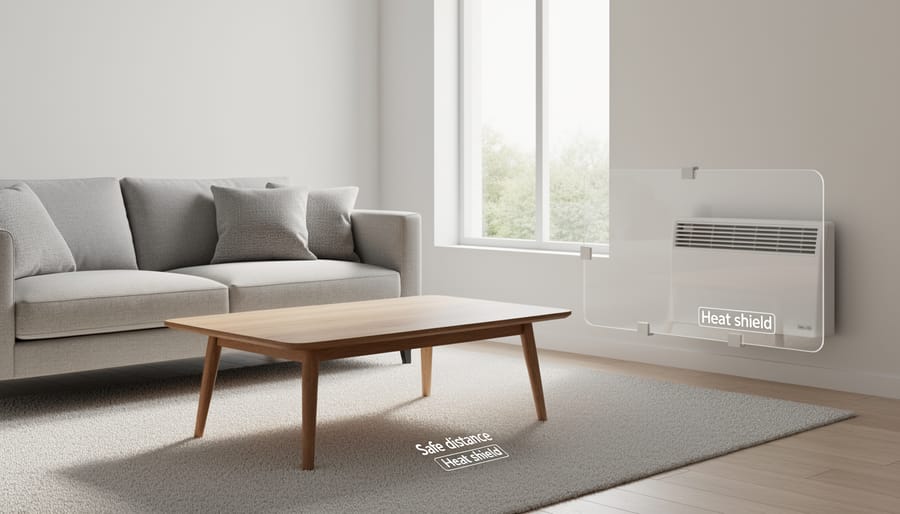
Strategic heater placement protects your outdoor furniture from heat damage while maintaining a comfortable environment. Position propane and infrared heaters at least three feet away from wooden tables, chairs, and upholstered seating to prevent scorching, fading, and warping. For high-output patio heaters above 30,000 BTU, increase clearance to five feet from furniture with painted or stained finishes.
Direct heat exposure accelerates weathering on outdoor wood surfaces. If you notice faded spots or dried-out areas after using outdoor heaters, you can protect outdoor wood through proper refinishing techniques. Similarly, metal furniture positioned too close to heat sources may develop discoloration or compromised protective coatings, requiring you to restore metal patio pieces sooner than expected.
Use freestanding heat shields or reflective panels between heaters and valuable furniture when space is limited. These barriers redirect warmth while protecting finishes. Rotate furniture arrangements periodically so the same pieces don’t absorb continuous heat exposure throughout the season.
Before storing heaters for summer, inspect nearby furniture for heat-related damage. Minor issues like loose joints or surface cracks are easier to address immediately through DIY patio furniture repairs than waiting until the next heating season. Check manufacturer guidelines for both your heater and furniture to ensure compatibility and safe operation.
Selecting the right outdoor heater involves navigating several practical questions about performance, safety, and long-term operation. Here are answers to the most common concerns homeowners and property managers face when choosing weather-adaptive heating solutions.
Calculate roughly 20-30 BTUs per square foot for enclosed or semi-enclosed patios, and 40-50 BTUs per square foot for fully open areas exposed to wind. A typical 10×10 covered patio needs around 3,000-5,000 BTUs, while larger open decks benefit from 18,000 BTU or higher units.
Weather-adaptive heaters designed for outdoor use can withstand rain when properly rated with weatherproof construction, but most manufacturers recommend covering them or storing them indoors during extended wet periods to maximize lifespan. Always verify the specific weather resistance rating before purchasing.
Propane heaters are safe on covered patios when they include automatic low-oxygen shut-off sensors and you maintain proper clearances from ceilings, walls, and furniture, typically 24-36 inches minimum. Never use them in fully enclosed spaces without adequate ventilation.
Operating costs vary by fuel type and usage. Propane heaters running at 18,000 BTU typically consume about one pound of propane per hour, costing roughly $0.75-$1.25 per hour depending on propane prices, while electric infrared models cost $0.15-$0.30 per hour based on local electricity rates.
Beyond these fundamental questions, many buyers wonder about longevity. A quality outdoor heater with proper maintenance typically lasts five to ten years, with propane models often outlasting electric counterparts due to fewer electronic components vulnerable to moisture. Regular cleaning of burner assemblies, checking gas connections for leaks, and storing units in dry locations during off-seasons all contribute to extended lifespans.
Maintenance requirements remain minimal for most weather-adaptive models. Propane heaters benefit from annual burner cleaning and inspection of the ODS sensor. Electric and infrared units need periodic dust removal from heating elements and protective grilles. Check all weather seals and electrical connections before each season, especially if your heater sits outdoors year-round.
For commercial property managers, compliance questions arise frequently. Most municipalities require outdoor heaters to meet CSA or UL safety certifications, particularly for restaurant patios and event spaces. Verify local fire codes regarding clearances, fuel storage limits, and whether permits are necessary for permanent installations before purchasing high-output units.
The learning curve for operation stays short with modern weather-adaptive heaters. Most portable propane models light with a simple push-button ignition and adjust via control knobs. Remote-controlled electric models offer even easier operation, letting you adjust heat levels from your seating area without interrupting conversations or disrupting furniture arrangements.
Selecting the right weather-adaptive heating solution transforms your outdoor space from a seasonal luxury into a year-round asset. The decision comes down to three core factors: matching heat output to your actual square footage, choosing a fuel type that fits your setup and budget, and prioritizing safety features that respond to changing weather conditions. A portable 18,000 BTU propane heater serves a compact patio differently than a 55,000 BTU tower unit designed for expansive commercial seating areas, and understanding that distinction prevents costly mistakes.
Weather adaptability isn’t just a marketing term. Heaters equipped with automatic shut-off sensors, wind-resistant designs, and rain-safe construction deliver reliable performance when conditions shift, protecting both your guests and your investment in outdoor furniture. The right clearance distances and thoughtful placement prevent heat damage to wood finishes and upholstery while maintaining the comfort you’re paying for.
The upfront cost of a quality outdoor heater, whether you spend $125 on an infrared model or invest in a commercial-grade unit, pays dividends through extended usability of your outdoor living space. You gain months of additional entertaining time, protect furniture that would otherwise require seasonal storage, and create an environment that feels intentional rather than improvised. Choose based on your specific needs, verify safety certifications, and install with furniture protection in mind. The outdoor heating market in 2026 offers proven solutions across every budget and space configuration, making comfortable outdoor living accessible and practical.